
"What if you're in a wheelchair for the rest of your life?" The words Kang Won-rae heard
Kang Won-rae revisited the issue of disability perception by revealing what he heard after recommending wheelchair rehabilitation to an acquaintance.
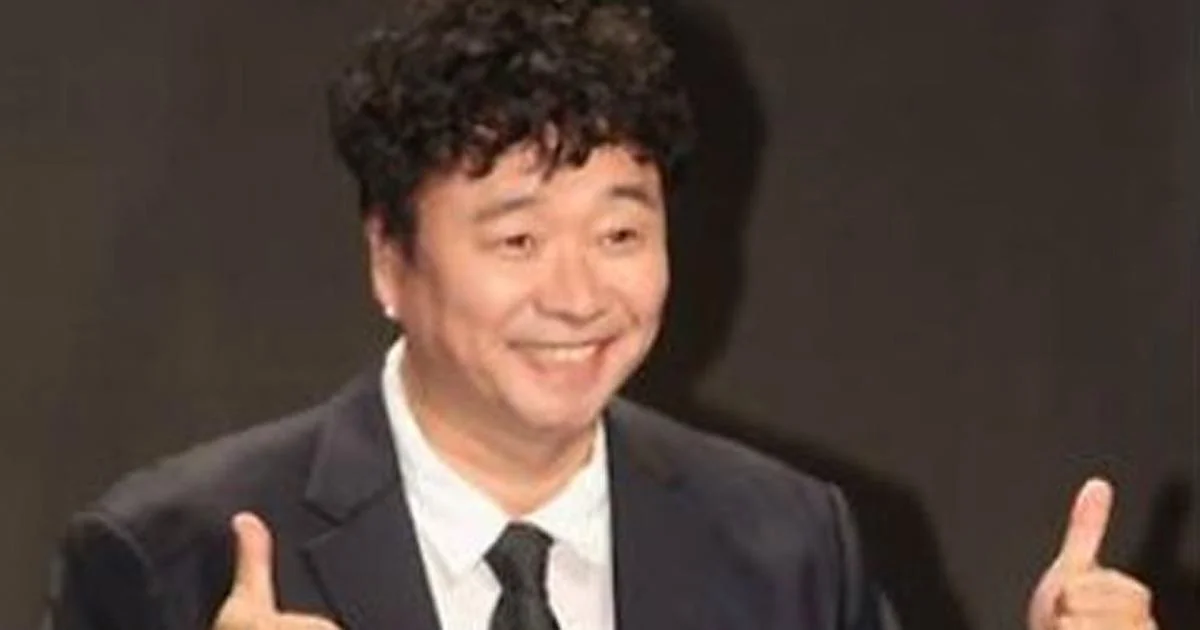
Kang Won-rae, a member of the duo Clon, shared an anecdote about suggesting a wheelchair to an acquaintance with a leg injury, only to receive an unexpected response. Although it was a brief conversation, it captured a perspective that views a wheelchair not as a tool for treatment and mobility, but as something "ominous."
In a post released on the 17th, Kang described a situation where he met an acquaintance who appeared on crutches due to a severe leg injury. Seeing the acquaintance struggling to walk with crutches, he advised that it might be better to use a wheelchair for the time being and to continue exercising in a way that puts less strain on the body. However, a person nearby remarked, "Don't say such unlucky things. What if you end up in a wheelchair for the rest of your life?" to which Kang reportedly replied, "You're right. I'm sorry."
The bitterness left by words that view a wheelchair as "giving up"
The reason this conversation is striking is that Kang's advice was not intended to label someone as disabled or to frighten them. It was closer to suggesting a way for an injured person to recover without further damaging their body. Yet, the other person's reaction treated even the temporary use of a wheelchair as the beginning of misfortune. It was a moment where the outdated idea that using assistive devices diminishes one's life slipped out in a careless remark.
For Kang Won-rae, a wheelchair is a part of daily life that requires no further explanation. He debuted in 1996 with Koo Jun-yup as part of Clon, receiving great love for hits like "Kungdari Shabara" and "Choryeon," before being diagnosed with paraplegia following a motorcycle accident in 2000. Since then, he has continued his career in broadcasting, music, radio hosting, and exhibitions. The words he offered his acquaintance were not about "becoming disabled," but about choosing an option that causes less damage to the body.
What Kang Won-rae has long advocated for is rights, not sympathy
Kang Won-rae has consistently spoken about the perceptions surrounding disability. In a radio interview ahead of International Day of Persons with Disabilities last year, he stated that people's perspectives are just as important as the improvement of facilities. Attitudes that view people with disabilities as pitiful or, conversely, as inconvenient beings, block daily life just as much as a physical step does. At that time, he left a message to the effect of, "If you change your prejudice, the world changes."
This anecdote stands on the same line. A wheelchair is not someone's failure but a tool that aids mobility, and in the rehabilitation process, it can be a choice used temporarily to suit one's physical condition. The problem is not the tool, but the words used to view that tool. While the reaction "What if you have to use a wheelchair for the rest of your life?" may sound like concern, it can easily become a remark that belittles the present reality of someone living in a wheelchair.
Kang Won-rae's post is less an exposure of a major incident and more a record of quietly bringing to light the prejudices hidden within everyday conversation. That is why it lingers longer. If faced with a similar situation in the future, the first thing to ask should not be "Don't say such things," but rather, "What kind of help do you need right now?"


0Comments
Comments are currently disabled.