
Suga's 5 billion won donation becomes the Min Yoongi Treatment Center
BTS Suga's 5 billion won donation has led to the establishment of the Min Yoongi Treatment Center and music-based therapy programs.
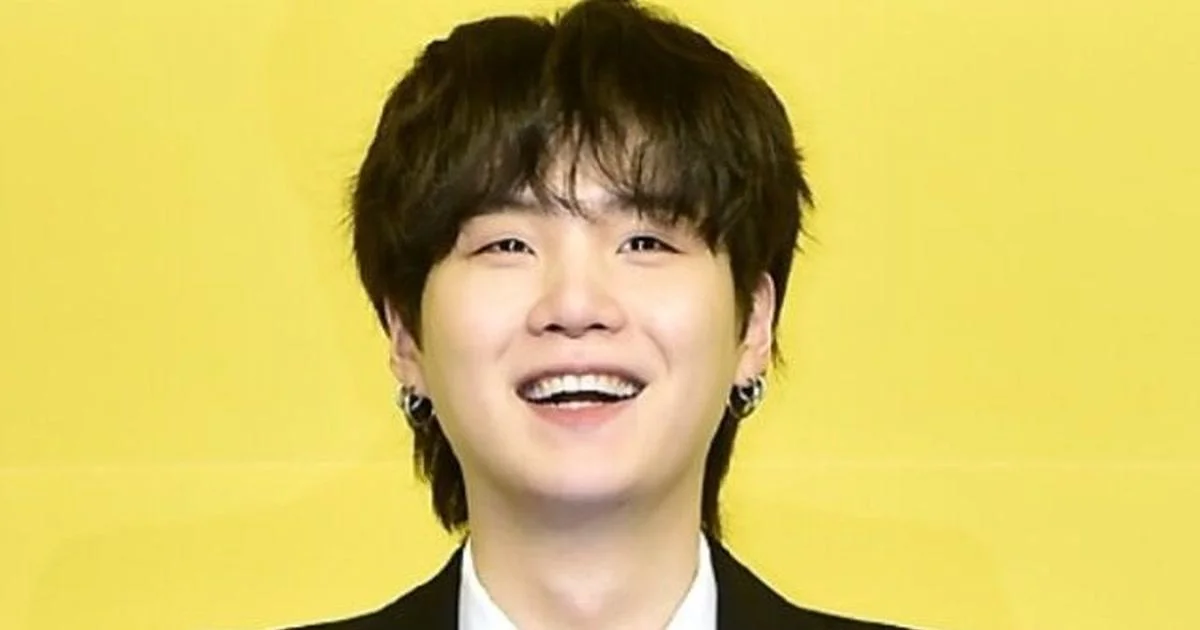
BTS Suga's 5 billion won donation did not end as a simple news story about a good deed. A treatment center named after his real name, Min Yoongi, opened within Severance Hospital, serving as a space where children and adolescents with autism spectrum disorder can receive both treatment and social skills training. Rather than the large amount, what is noteworthy is how the money is being used. The donation did not stop at leaving a building name; it was directed toward creating a treatment model that allows children to gradually expand their speech, behavior, and emotional expression.
The 50 billion won was directed toward treatment rooms and music rooms
In June 2025, Suga donated 5 billion won to help with the treatment and social independence of patients with autism spectrum disorder. This amount is known to be the largest donation made by a celebrity to Yonsei University Health System. The subsequently established Min Yoongi Treatment Center features treatment rooms for speech and behavioral therapy, as well as music and social group therapy rooms equipped with soundproofing facilities ideal for handling sound. In the guardian waiting area, works by Lee Kyu-jae, an artist with autism spectrum disorder, are also displayed. In that it considered the experience of the children and their families even during the waiting time for treatment, the center's design direction is as clear as the scale of the donation.
The core of the center is the MIND program. Taking its name from the initials of Music, Interaction, Network, and Diversity, it is a group therapy model that fosters sensory experiences and social interaction through music. Suga prepared this program alongside Professor Chun Geun-ah, and it is reported that he personally participated in weekend sessions from March to June 2025, engaging in activities such as playing instruments and matching rhythms with the children. In a sense, the music of producer Suga, which fans are familiar with, has become a different kind of language off the stage.
The reason the donation shines lies in its subsequent sustainability
Large donations from celebrities are often consumed merely by the size of the amount. However, this case is a bit different. What children with autism spectrum disorder need is long-term, customized support rather than a one-time event, and the Min Yoongi Treatment Center chose a direction that adds music-based social skills training to speech, behavioral, and psychological therapies. While existing treatments tend to be confined to short periods within a hospital, this program views the process of a child matching sounds with peers, waiting for their turn, and expressing emotions as part of the treatment. This is also where the pop music artist applied his expertise in the most practical way.
The words left by Suga also align with this flow. He stated that through the preparation and volunteering process, he realized that music can be a bridge connecting emotions and people, and expressed his intention to help more children become members of society. For a center bearing the donor's name to maintain long-term credibility, the changes actually felt by the children and their families must eventually accumulate. Moving forward, the checkpoints are not the expansion of the center, but rather the operational results of the MIND program, the continuous treatment of participating children, and how steadily clinical research and expert training are carried out.



0Comments