
To be treated like a king with financial obligations or a 'proxy son-in-law' under interference?
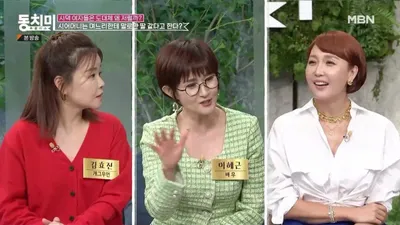
Panelists on the program 'Dongchimi' discussed the evolving dynamics of holiday traditions, focusing on the dilemmas of financial support and changing family hierarchies.
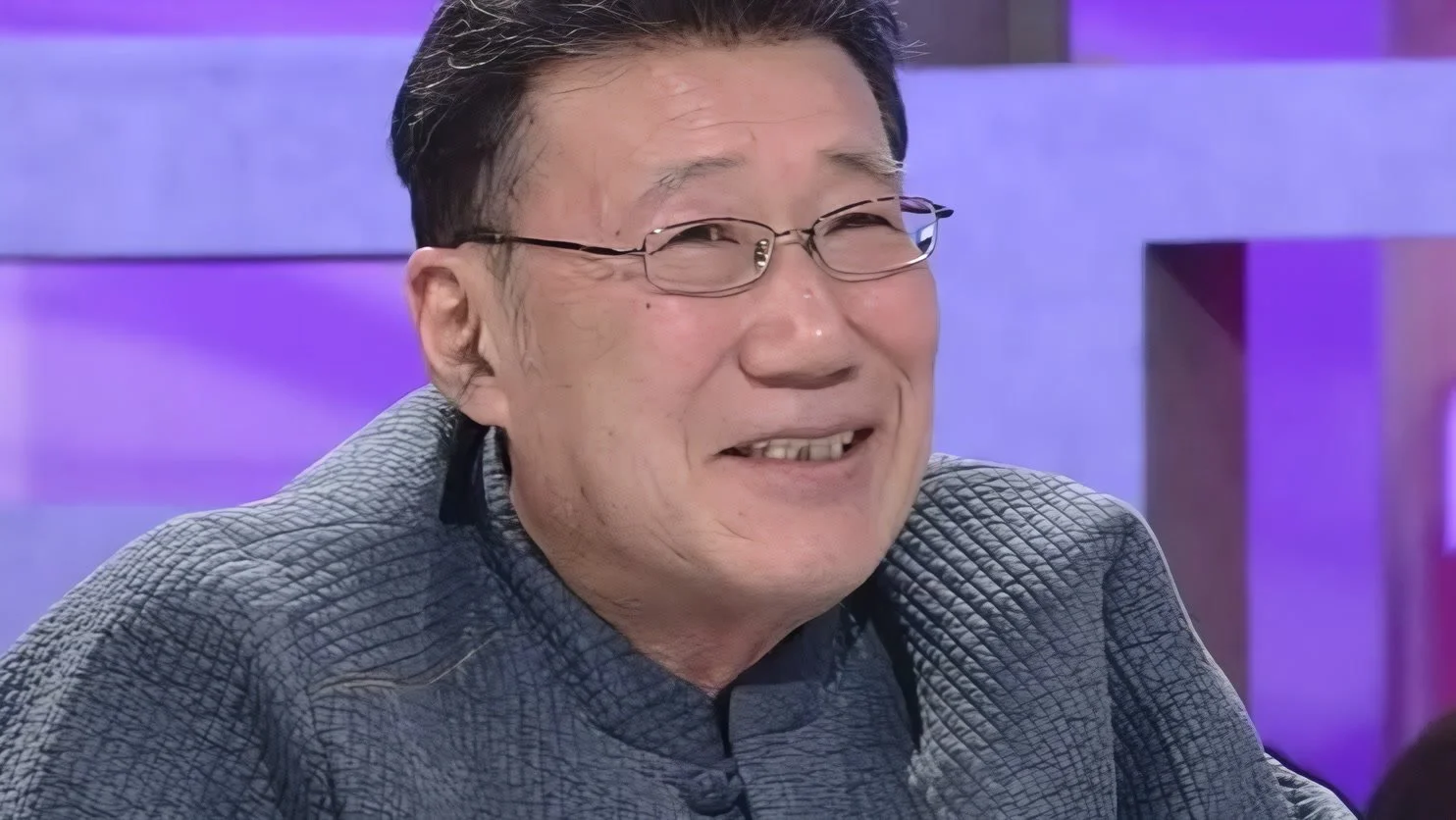
Ahead of the holidays, honest conversations regarding family hierarchies, economic relationships, and changing holiday cultures took place. On the program 'Dongchimi,' featuring various broadcasters, discussions unfolded regarding the different ways families approach the holidays, the conflicts that arise during these times, and the methods used to resolve them.
"A King Being Treated Well vs. An Interfered-with Son-in-law": The Dilemma of Economic Relationships
The panelists identified "economic support" and "treatment" as the core factors determining holiday and family relationships. One participant faced a choice between two scenarios: being treated like a king but having to provide regular financial support to the in-laws, or receiving financial support from the in-laws but being treated as a "proxy son-in-law" subject to their interference.
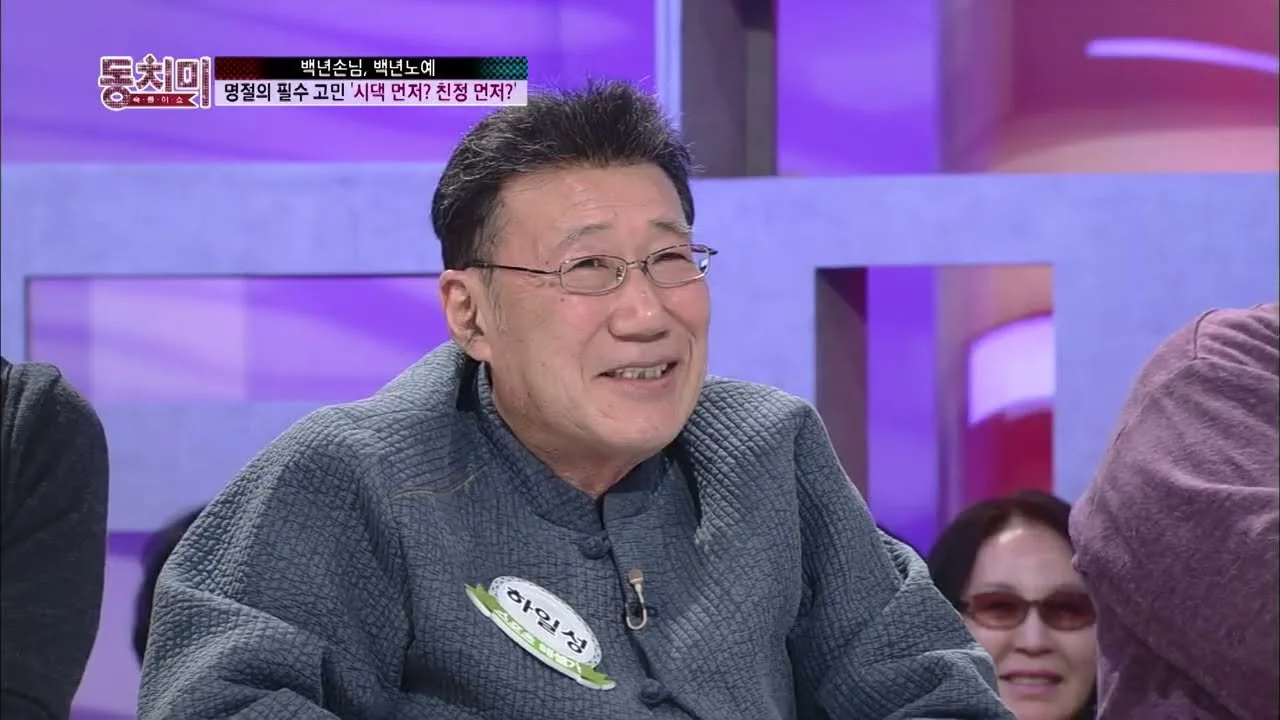
Choi Yong-gi expressed that he would be happy to provide money to his in-laws if it made the family happy, placing more weight on the value of giving rather than being treated well. In contrast, Director Lee Gyeong-jae replied that being treated like a king would actually be uncomfortable. While he stated he would be grateful if his in-laws provided financial support, he expressed the realistic view that regular monthly expenses would be a burden. Regarding the situation of having to act like a "proxy son-in-law" or facing interference in exchange for money, he expressed aversion, stating, "If I don't go, I just don't go, but if it is a situation where I must go, it would be hard to endure."
Director Yang Mi-jin said that even if she received financial support from her in-laws, it would be difficult for her personality to tolerate interference. While she expressed no aversion to receiving money, she made it clear that she wants to avoid situations where her actions are restricted because of it. One participant noted the correlation between economic support and family roles, saying, "If you receive money, you feel the need to provide treatment worthy of it."
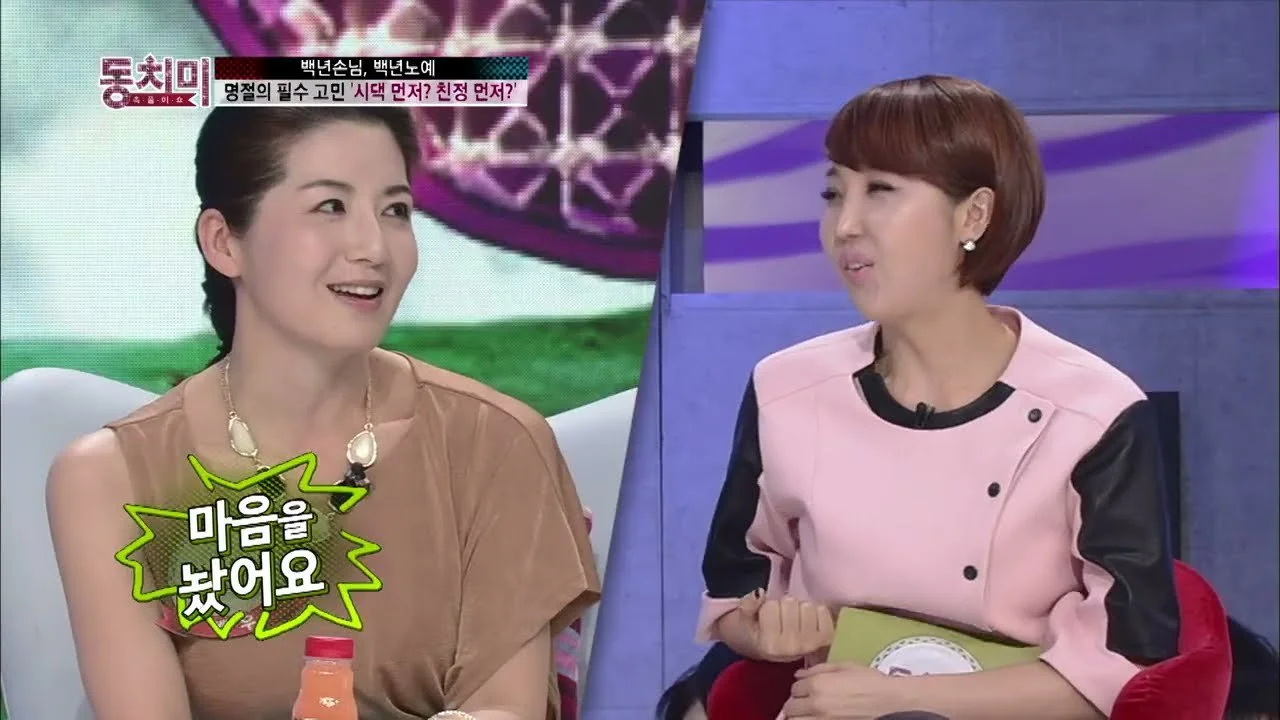
"Visiting the In-laws First Due to Ancestral Rites": The Changing Grammar of Holidays
A debate also ensued regarding the traditional order of holiday visits. While visiting the husband's family first was taken for granted in the past due to an ancestral rite culture centered on sons, there were many voices stating that this trend is changing recently. The panelists analyzed that the fundamental cause of holiday conflicts lies in the culture of ancestral rites and the difference in roles based on gender.
One participant remarked, "It is because of the ancestral rite culture that we visit the in-laws first, not for any other reason," suggesting that if ancestral rites disappear, the priority of holiday visits will naturally change. Particularly for parents with only an only daughter, regarding the situation where they cannot visit their own parents first during the holidays because they have no son, the participant emphasized that "times are changing" and that the decision of whether to visit the husband's or wife's family first should be determined through concession and communication between family members.
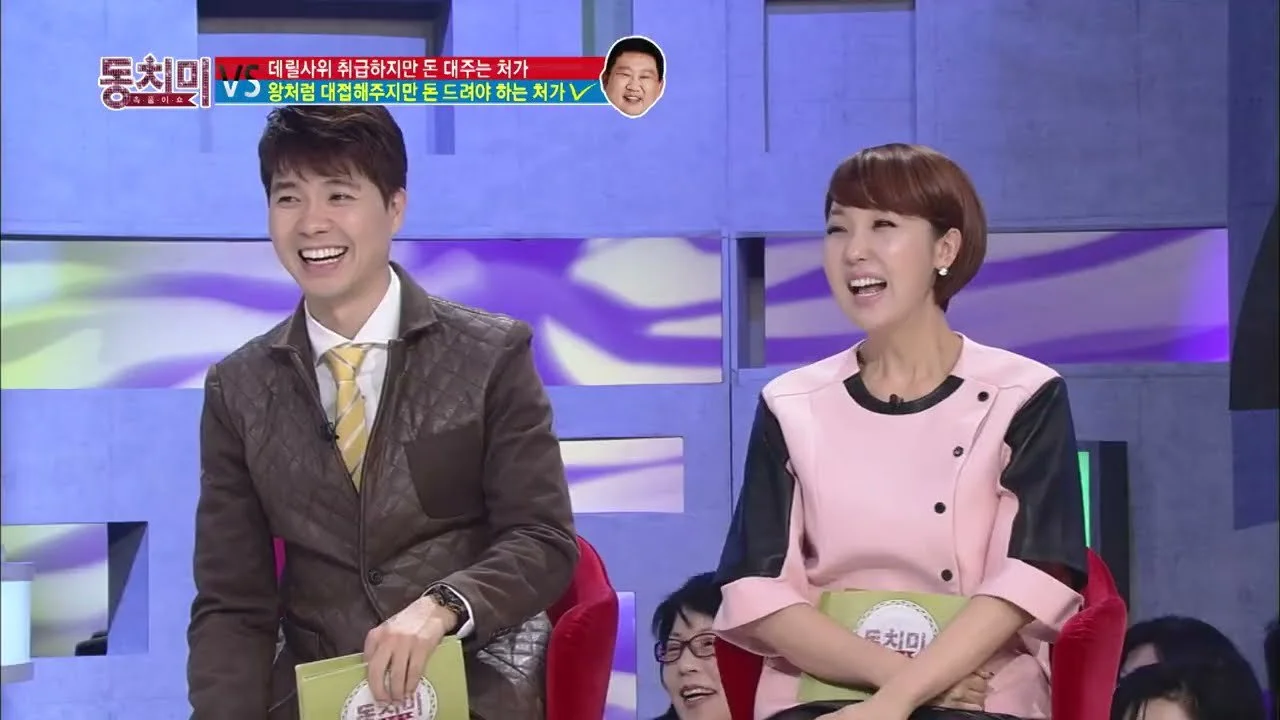
In fact, one participant revealed that thanks to the "traffic control" of their parents, they are practicing a culture of visiting the wife's family first instead of the husband's family during the holidays. They shared an experience where the parents-in-law showed consideration by allowing the visit to the wife's family first, which actually reduced family conflict and created an atmosphere of mutual concession. The participant added, "If parents concede first out of goodwill, conflict decreases," noting that the flexibility of the parent generation is what ultimately leads the change in holiday culture.
"I Dislike Families That Are Only Shells": Regarding the Essence of Relationships
A consensus was formed that everyday relationships are more important than the formalities of the holidays. The panelists agreed that relationships involving steady communication in daily life, rather than "formal families" that only gather briefly during the holidays, reduce the burden of the holidays. They argued that if natural communication occurs normally, the awkwardness or conflict occurring during the holidays can be minimized.
One participant emphasized that rather than forcing family relationships, a foundation of warm daily relationships is necessary, using the expression, "If they come during the holidays, they are guests; if they don't come, they are strangers." Additionally, an educational perspective was presented, suggesting it is more important for parents to set an exemplary model through words and actions rather than forcing filial piety on their children.
Finally, the panelists concluded the conversation by emphasizing that holidays should not simply be a day to fulfill obligations, but a day for family members to understand and care for each other's situations and spend enjoyable time together.
Source: original video (YouTube)

0Comments
Comments are currently disabled.