
Su-gyeong struggles with 10kg weight gain and health issues after menopause
Su-gyeong shared her experience of gaining 10kg over the last two to three years due to menopause, facing challenges such as joint pain and abdominal obesity. Family medicine specialist Lee Seung-woo explained that a declining basal metabolic rate and hormonal shifts make weight management difficult for women in this life stage.
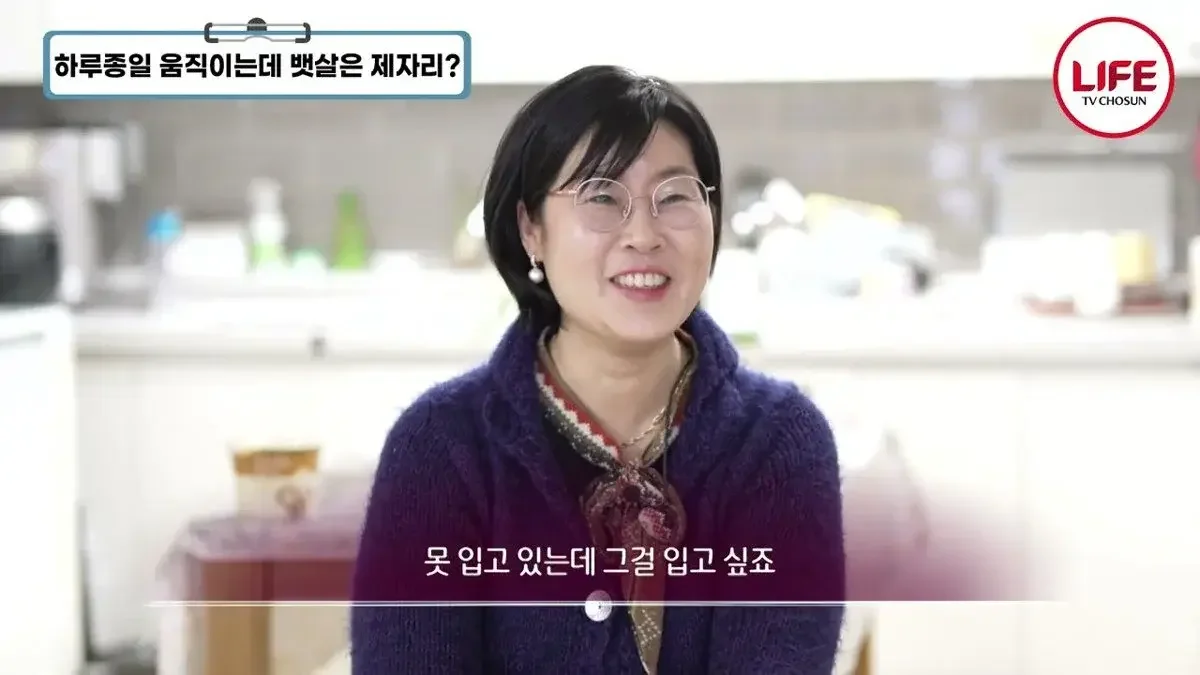
Su-gyeong revealed in a TV CHOSUN JOY video that she has gained 10kg since entering menopause, resulting in joint pain and hyperlipidemia that requires medication.
The reality of middle-aged women struggling with rapid weight gain and abdominal obesity following menopause has been revealed. In a video shared by TV CHOSUN JOY, Su-gyeong confessed that she has gained 10kg in the two to three years since entering menopause, a change that has also led to the deterioration of her health indicators.
"Old clothes don't fit" — physical changes following 10kg weight gain
While Su-gyeong has maintained a slim figure with a height of 170cm, her weight has moved from the 60kg range into the 70kg range following menopause, bringing changes to both her appearance and health. Along with the weight gain, her cholesterol levels rose to the point where she had to take medication for hyperlipidemia, and the increased weight has led to joint pain. "I never used to think about my knees, wrists, or ankles hurting, but now that I've gained 10kg, the weight pressing on my body feels distinctly different," Su-gyeong said, expressing her physical burden.
The weight change has also affected her daily clothing. Su-gyeong showed clothes she wore when she was slimmer in the past, revealing that they are now too small and feel as though they might burst. The accumulation of clothes she cannot throw away due to lingering attachment and the distress felt when visiting clothing stores reflect the realistic concerns of middle-aged individuals experiencing weight changes. Currently, Su-gyeong is managing her physical appearance by wearing pants with waist binders to hide abdominal obesity.
The paradox of diet management: the link between "poor meals" and "age-related weight gain"
Su-gyeong stated that she is adjusting her diet to manage her weight. In the video, her meals consisted of bread, fruit, and yogurt, appearing more like snacks than proper meals. Su-gyeong mentioned the difficulty of diet management, noting, "If I eat things that are less seasoned, the portion size isn't large, but if I eat sweet and salty foods like tteokbokki, it is hard to control." However, despite these poor diets and small intake amounts, her weight is not easily decreasing.
Family medicine specialist Lee Seung-woo pointed to a "decrease in basal metabolic rate" as the cause of this phenomenon. The specialist explained that "after the age of 30, the basal metabolic rate decreases by about 1% every year," meaning that because the energy consumed even while breathing decreases, it is difficult to lose weight even when eating little. He added that as women enter menopause after the age of 50, the decrease in female hormones causes fat to be concentrated in the abdomen.
One in two middle-aged women suffer from abdominal obesity, a natural aging phenomenon
According to statistics, the weight gain rate among the middle-aged population in South Korea between the ages of 45 and 64 is at the 10–20% level, and specifically, about 61.4% of middle-aged women fall into the category of abdominal obesity. This suggests that more than one in two middle-aged women experience abdominal obesity. The specialist interpreted middle-aged belly fat not simply as a result of laziness, but as a natural aging phenomenon as the body changes with age.
The fact that women have more fat cells than men is also cited as a factor in weight gain. Analysis suggests that women have approximately 35 billion fat cells, which is more than the approximately 26 billion in men, making them more sensitive to weight changes and fat accumulation. Su-gyeong has made efforts to lose weight, such as combining herbal medicine diets with exercise, but she appears to be struggling with continuous management due to the yo-yo effect and exhaustion.
Source: TVCHOSUN JOY (YouTube)



0Comments
Comments are currently disabled.