
"Is a Rate Freeze Actually the Worst?"... 4 FOMC Scenarios and Market Direction
As market tension rises ahead of the FOMC interest rate decision…
Market tension is escalating ahead of the interest rate decision announcement by the FOMC. With macroeconomic indicator volatility increasing, such as U.S. Treasury yields exceeding 5%, the highest level since the 2007 financial crisis, four scenarios regarding the future direction of monetary policy are expected to determine the market's direction.
Background of Surging Treasury Yields and Concerns over Reigniting Inflation
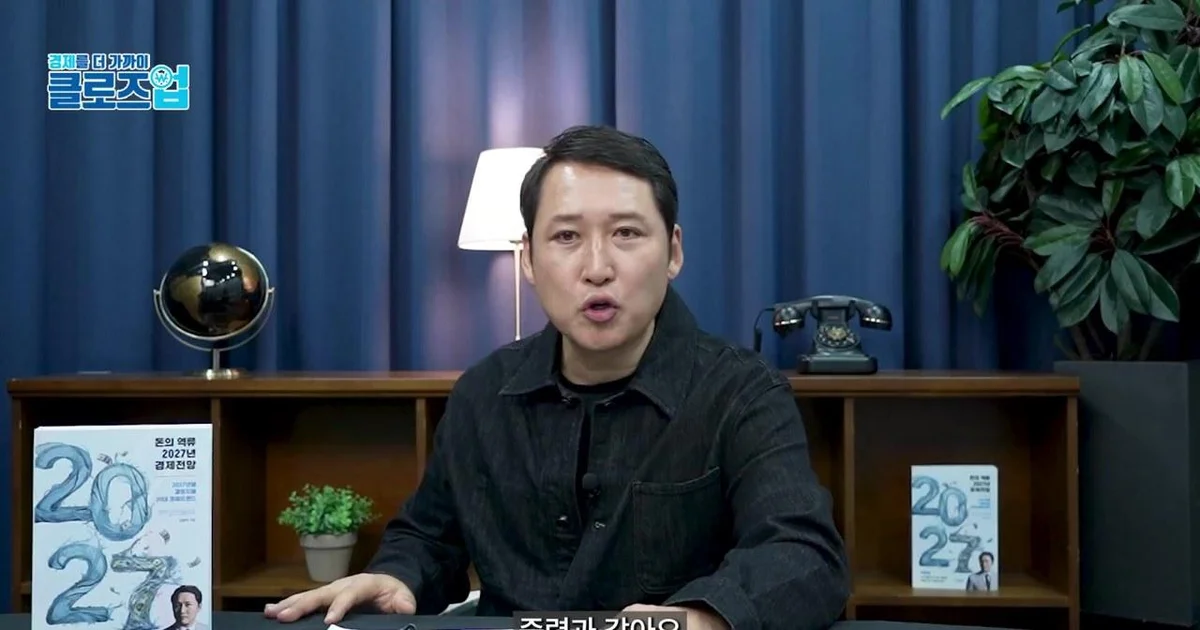
According to a video from the economic YouTube channel 'The Man Who Explains the Economy (Kim Kwang-seok TV)', two key factors lie behind the recent surge in U.S. Treasury yields. First is the supply and demand imbalance caused by large-scale U.S. Treasury issuances and fiscal injections. The analysis suggests that while the U.S. government increased Treasury issuances to stimulate the economy and for fiscal injection, yields rose because the purchasing demand for U.S. Treasuries from major countries, such as China, was insufficient. In particular, the increase in defense spending due to the war in the Middle East has become a factor further stimulating the demand for Treasury issuances.
Second is the rise in international oil prices due to the escalation of the war in the Middle East and the resulting stimulation of 'expected inflation.' The video explained that as the possibility of crude oil supply disruptions grows due to concerns over attacks on oil pipelines in Saudi Arabia and the Strait of Hormuz, fear that inflation could raise its head again has spread through the market. These inflation concerns are acting as a driver that pulls up Treasury yields by increasing the possibility of interest rate hikes. Rising Treasury yields serve as a factor that exerts strong downward pressure on risky asset markets, such as stocks, coins, and gold, by increasing risk-free returns.
'Dovish Freeze' Could Be the Worst Scenario
The presenter presented four scenarios based on the upcoming FOMC results, emphasizing that the 'message' implying the future policy direction is more important than simply whether rates are frozen or not. The market is currently reflecting the possibility of an interest rate hike to a significant extent.
The most positive scenarios are a 'hawkish freeze (freezing rates while leaving the possibility of future hikes open)' and 'signaling a halt to additional hikes after a rate hike.' On the other hand, the scenario cited as the most negative is a 'dovish freeze.' This refers to a case where rates are frozen while sending a message that there are no plans for additional hikes in the future. The presenter analyzed, "In a situation where the inflation rate has not yet settled at the target of 2%, a dovish message that excludes the possibility of hikes could undermine the credibility of the Federal Reserve," adding, "In this case, the market may instead perceive it as a major negative factor."
Additionally, a 'hawkish hike' scenario, which involves raising rates and announcing further hikes, could exert temporary adjustment pressure on the market. In conclusion, while mentioning the possibility of a 'rate freeze' based on the fact that the inflation rate has passed its peak from the perspective of the monetary policy mechanism, the presenter predicted that a 'hawkish freeze'—showing the will for price stability to maintain market credibility—would be the most favorable scenario for capital markets.
0Comments
Comments are currently disabled.