
Daily lives of characters in the hair salon of 'Salon De Nabi', diverging confessions and intergenerational dialogue
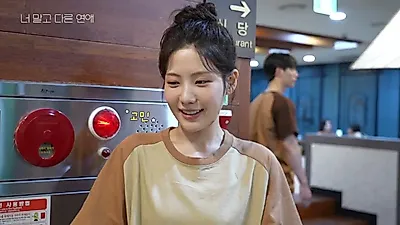
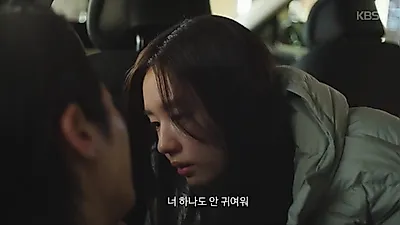
The released video from the JTBC drama 'Salon De Nabi' depicts the daily lives of characters centered around a hair salon, showcasing their diverse relationships, values, and intergenerational perspectives.
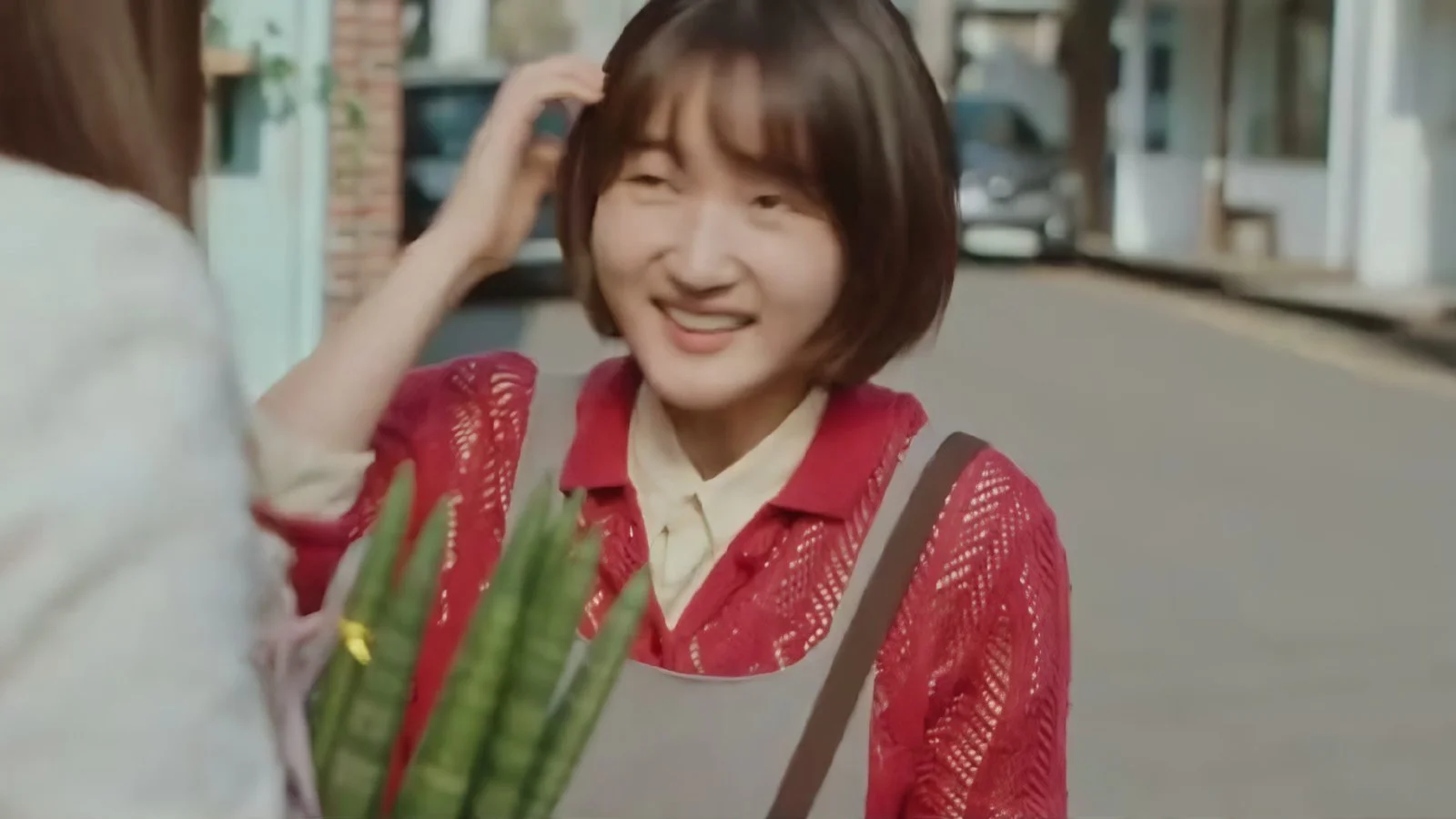
In the JTBC drama 'Salon De Nabi', the daily lives of characters are captured as they reveal different relationships and values centered around the space of a hair salon. In the released video, conversations surrounding the operation of the hair salon, subtle emotional lines between characters, and the intersection of generational differences are presented.
From deciding the hair salon name to the appearance of interns
In the early part of the video, the process of deciding the name of the hair salon is depicted. The character set as the director shows a will to operate the business by suggesting various ideas such as 'Hair by Michelle', 'Salon De Nabi', and 'Michelle House'. In this process, the name 'Nabi' is suggested, showing a flow where the identity of the hair salon is formed. Following this, characters who appear to be interns arrive, and the daily life of the hair salon begins in earnest. An intern is introduced as someone quite well-known south of the Han River, and specific work situations at the hair salon site follow. The characters show professional tension, such as welcoming customers and checking the proficiency of shampoo services. In particular, technical points such as the need to check the water temperature with the inside of the wrist rather than the palm during the shampoo process, and the need to wet the hair sufficiently before lathering, are mentioned, adding a sense of realism to the scene.
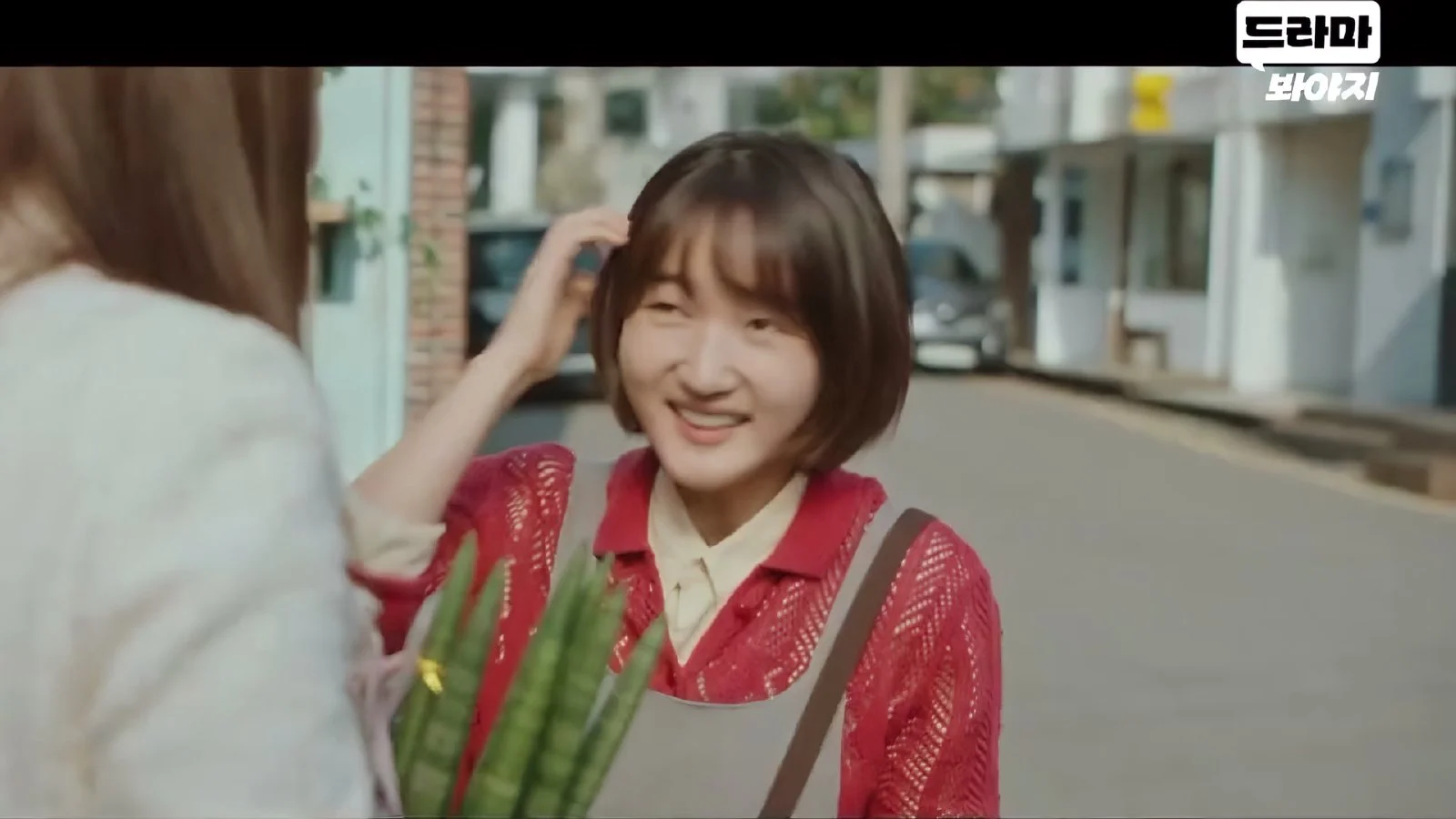
Diverging confessions and relationships between characters
The relationships between the characters show a complex flow of emotions beyond simple colleagues. One character mentions a past connection and says, "I don't like you anymore," but soon reveals a change in emotion by confessing their previous feelings, saying, "I still like you, Muyeol-ssi." Additionally, the characters continue daily interactions, such as going out to eat together or making appointments, building their respective relationships. When one character hears that they have no appointments and no friends, they retort by saying, "I have appointments and I have friends." Within the hair salon, a sense of community is also captured through a conversation stating, "If Nabi does well, it's not just me doing well, but all of us flying up together."
The gap in values appearing through generational differences
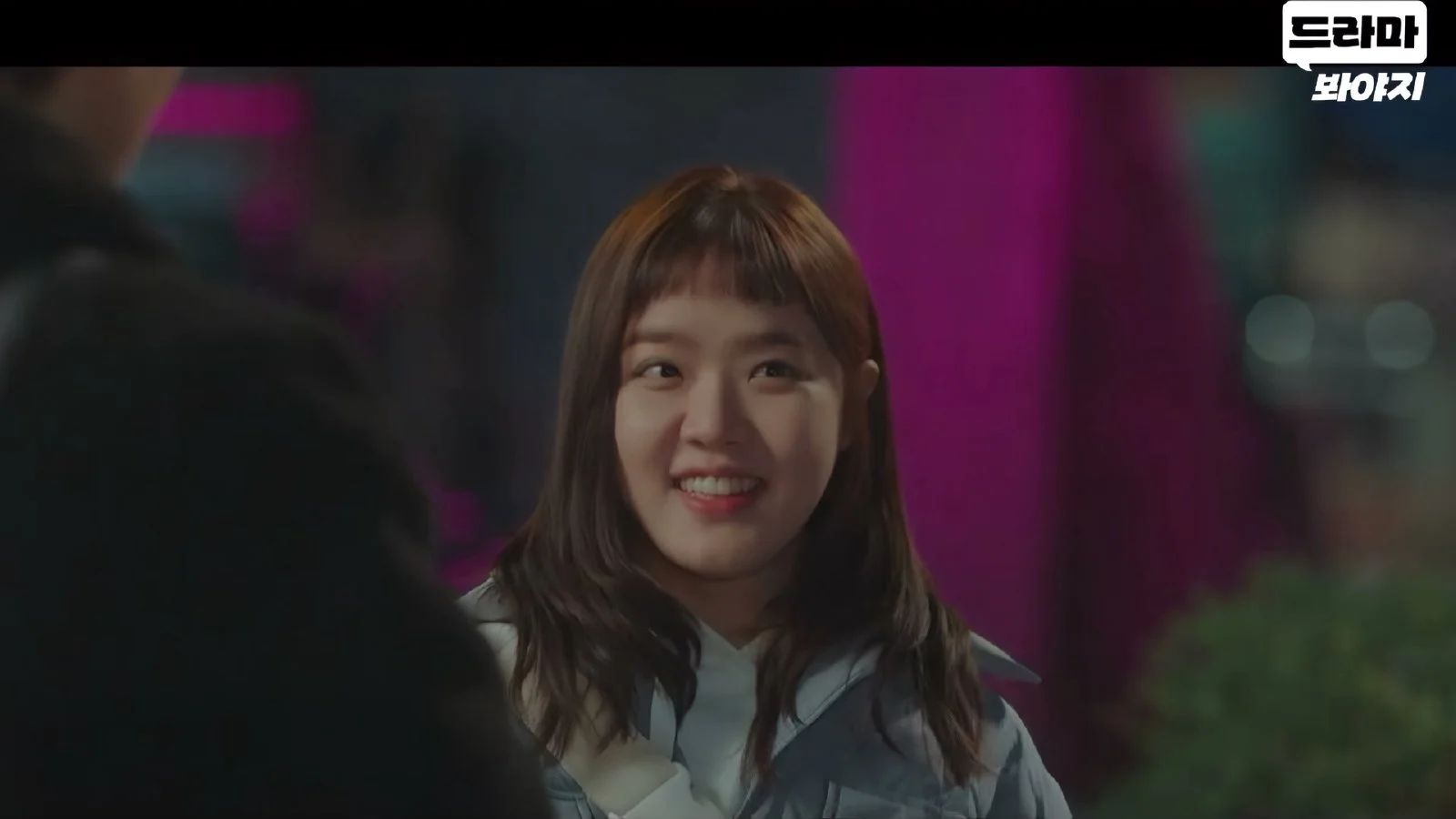
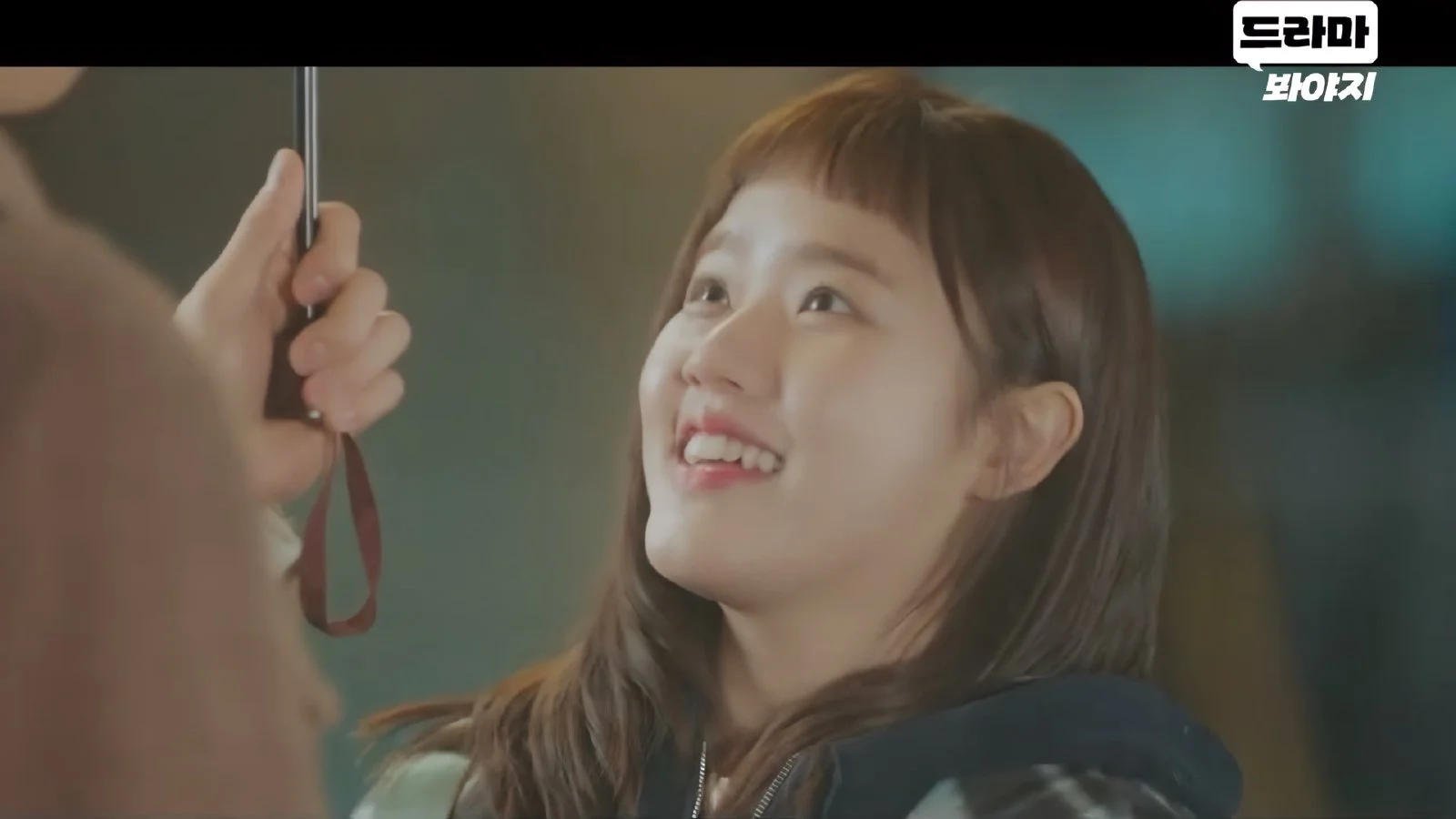
The characters in the drama clearly demonstrate the difference in perspectives between generations through their conversations. There are scenes where a character expresses concern about the dating methods or clothing of the current generation, while another counters by saying, "It's different from our time." In particular, conversations regarding dating terms such as '22-22 (two-two)' or scenes sharing stories about first loves and sexuality reveal the differences in values and experiences between each generation. The dialogue between the younger generation, who does not know the term '22-22', and the older generation, who does, as well as the discussions regarding the timing of first loves or the degree of openness toward sexuality, suggest that the hair salon is more than just a place to get hair done, but a social space where the stories of various generations intersect.

0Comments
Comments are currently disabled.