
Drama 'A Love Other Than Yours' explores guilt and the joy of giving
The KBS drama 'A Love Other Than Yours' explores deep guilt and sincere consolation as characters grapple with tragic pasts and moral dilemmas.
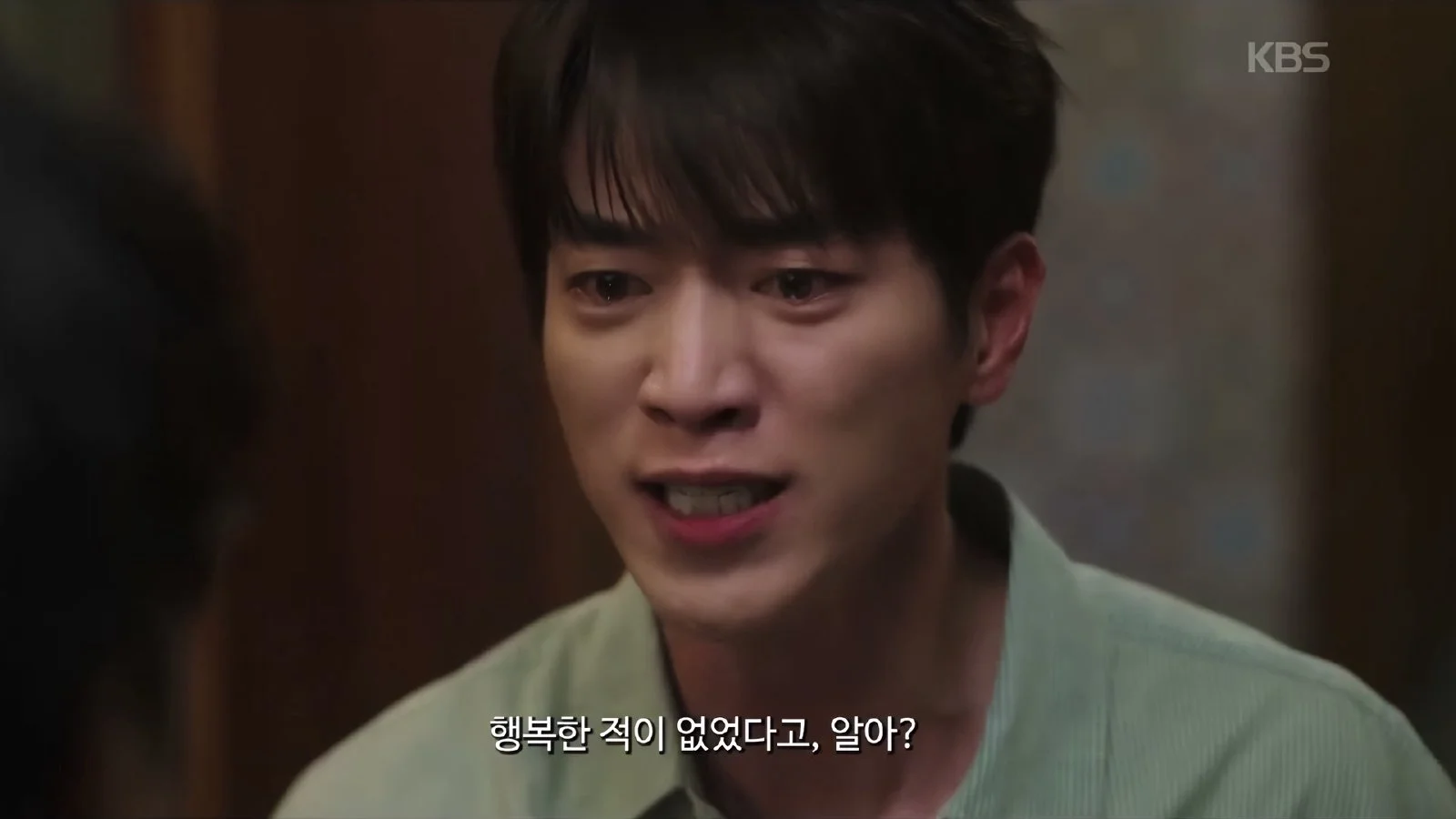
In episode 13 of 'A Love Other Than Yours', characters grapple with deep self-reproach following a past accident involving a father who was a three-time model firefighter. The drama addresses these psychological burdens by redefining "pushovers" as people with the ability to find happiness through giving to others.
The drama 'A Love Other Than Yours', which deals with the intersection of familiarity and unfamiliar emotions between lovers, has heightened the tension of the story through the deep guilt of its characters and the sincerity used to soothe it. In the episode 13 highlights released by KBS, conflicts and confessions surrounding tragic past events continued to unfold.
The shackles left by past tragedies, "Every day was hell"
It was revealed that the characters in the drama have lived while enduring pain in their own ways, unable to be free from past events. In particular, the sorrow of losing a father and the resulting sense of responsibility serve as a constant source of torment for the characters. One character confessed to feelings of self-reproach, stating that they had never been happy for a single moment since the day an accident occurred because they pulled their father into the water despite his refusal to enter. This moment demonstrates how past choices encroach upon present lives.
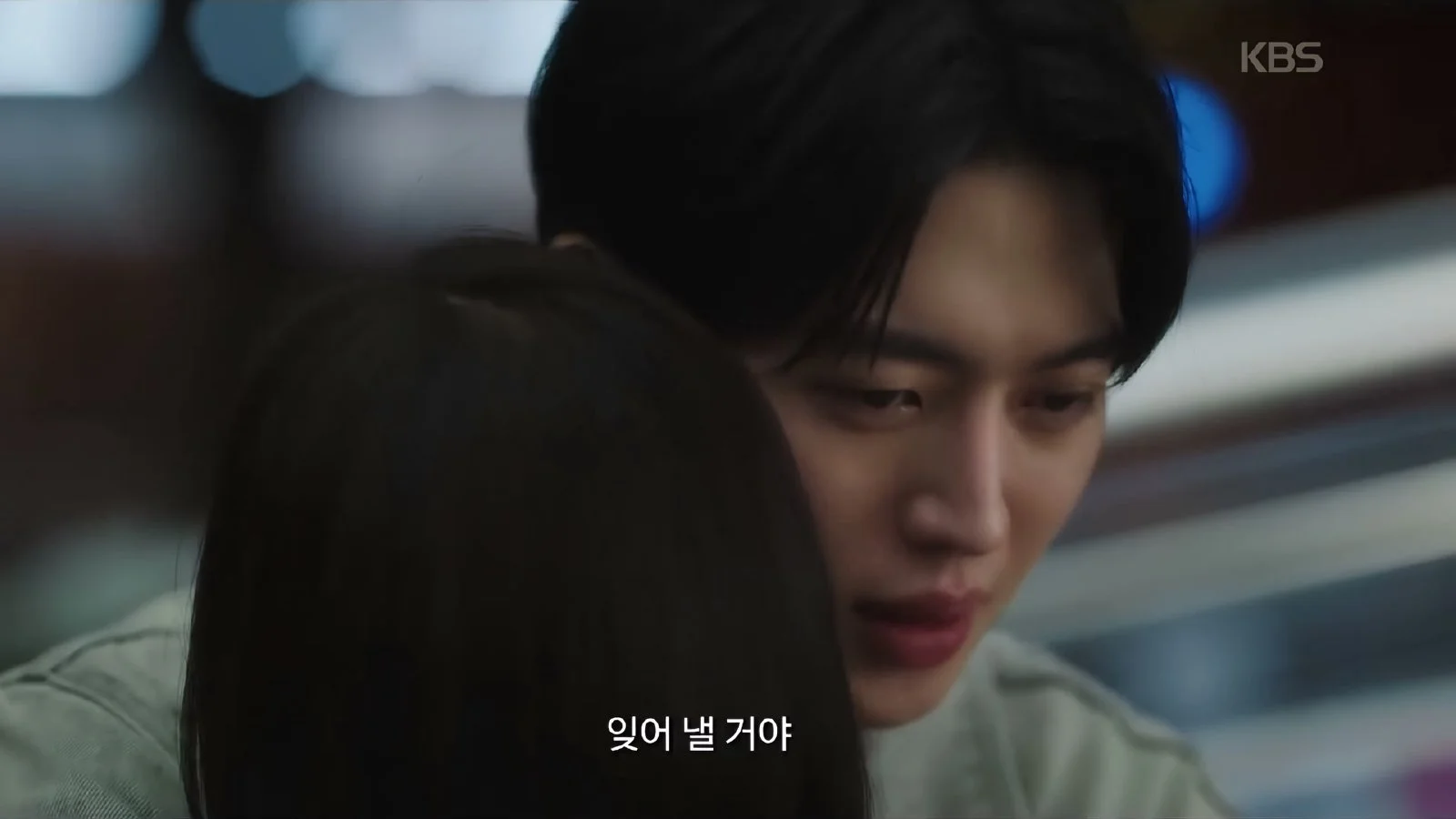
The plea of having lived their best to support the family's livelihood and pay off debts is connected to a heavy sense of debt—the need to pay the "price of a life" for the deceased—beyond mere efforts for survival. Mentioning that their father had served as a model firefighter three times, a character emphasizes that the act of trying to save him stemmed from great trust in him. This psychological pressure leads to sharp dialogue and clashes between characters, deepening the tragedy of the drama. Specifically, one character expresses apology and regret to Namgung O, stating they had been hiding cowardly because their father died because of them.
Misunderstandings clash and truths are revealed
Misunderstandings and conflicts surrounding the relationships between characters also added tension to the drama. Conflicts arising from misinterpreting each other's situations are depicted through conversations involving the relationship between Lee Mi-do and Namgung O, as well as those surrounding Han Tae-seung. Confusion occurs as characters verify their relationships, with misunderstandings mentioned such as Lee Mi-do meeting a lawyer who was a junior in the military or meeting a junior at work. Conversations become heated as rumors intertwine, including stories that Namgung O is seeing another woman and that Lee Mi-do has broken up.
In particular, when a character commits a mistake, another delivers a sharp rebuke, saying, "Even so, you shouldn't do that." This goes beyond criticizing a mistake and shows the conflict regarding the minimum duty and human trust that characters must uphold. The process of holding someone accountable by saying, "They must have been wrong first," and the guilt revealed in that process, exposes the complex psychological situations of the characters without filter. The remark, "No matter how much Lee Min-ho goes wrong, you shouldn't do that," symbolically shows the moral dilemmas the characters face.
"A pushover is a person with many abilities": On the joy of giving love
The way comfort is offered to those fallen into guilt and self-reproach reveals the drama's perspective on its characters. While there is a view that criticizes those who willingly give of themselves for others as "pushovers," a character in the drama redefines this from a completely different perspective.
A message is delivered to those who give what they have unsparingly for others: "You are not being used, but truly happy." The interpretation is that the feeling of gaining strength and happiness when doing something for someone is not due to low self-esteem, but is actually possible because they have sufficient ability to give to others. The statement, "A pushover is not a stupid and easy person, but a person with many abilities," highlights the value of those who can give everything willingly because they possess much. This perspective defines a character who knows the joy of giving to others as a "happy pushover," emphasizing that such an act is never in vain.
Comfort and positivity toward a child full of love
Ultimately, the characters show a process of embracing one another by acknowledging the scale of love each possesses, moving beyond the stage of pointing out or criticizing each other's faults. The image of soothing wounded hearts by defining oneself as a "child full of love" conveys a meaning beyond simple comfort to those facing guilt in real-life relationships.
A character affirms the happiness felt when someone does something for another, emphasizing that it is by no means an action taken due to a lack of self-esteem. Rather, it is possible because they have the ability to give to others, and those who can willingly give everything are described as "happy pushovers." This dialogue serves as an important turning point to escape the guilt that was consuming them by acknowledging the inherent goodness and depth of love held by the wounded character. The attitude of trying to protect the other person's heart, along with the request, "Never lose," adds emotional resonance to the drama.
Source: KBS Drama (YouTube)

0Comments
Comments are currently disabled.