
Double standards and wedding gift disputes strain couple in JTBC drama
The JTBC drama "Can We Get Married?" depicts the escalating tensions between a couple facing economic conflicts over wedding preparations and moral failings in their relationship.
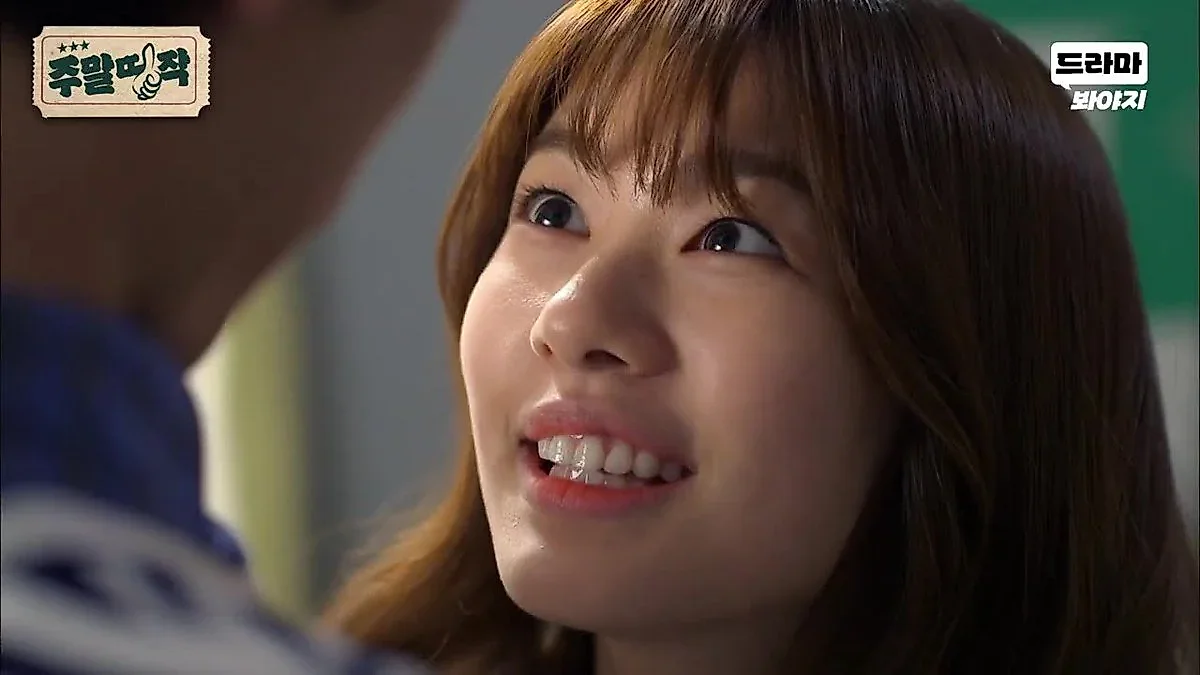
Episode 5 of the JTBC drama "Can We Get Married?" depicts a couple facing intense conflict over past infidelity and the economic demands of wedding gifts, which are suggested to be 10% of the house price.
Tensions are rising as a couple facing marriage encounters a combination of realistic economic conflicts and the moral flaws of a partner. In episode 5 of the JTBC drama "Can We Get Married?", the story portrays how issues regarding wedding gifts (yedan) and past wrongdoings shake the current relationship during the marriage preparation process.
"I accept transferring, but..." A partner's infidelity and double standards
The past and present wrongdoings of a partner have surfaced in the context of the upcoming marriage. In the video, characters engage in sharp dialogue regarding each other's moral failings. One character points out the partner's double standards, questioning their past actions by asking, "I accept transferring, but why do you cheat?" In response, the other party deepens the conflict by attempting to justify the wrongdoing, stating, "It's because there is a beast living inside me."
These conflicts go beyond simple emotional arguments and lead to doubts about the prerequisites for marriage. One partner even mentions extreme options regarding the continuation of the relationship, stating, "I want to get a divorce." In particular, the remark, "Living alone is so good. I didn't know being without you would be this happy," illustrates the gap between the weight of the union of marriage and individual freedom.
"Wedding gifts should be 10% of the house price"... Realistic economic gaps and gift conflicts
Realistic confrontations between mothers-in-law and daughters-in-law, as well as between couples, are specifically depicted regarding the issue of 'yedan' (wedding gifts), a core element of marriage preparation. The fact that the standard for determining the scale of wedding gifts varies depending on the economic status of the partner's family becomes a seed of conflict. In the video, the realistic situation is revealed where the groom's housing environment becomes the standard for the gifts, with advice from others mentioned such as, "I heard wedding gifts should be 10% of the house price."
In particular, while considering the circumstances of the partner's family, the bride experiences confusion over how to accept the demands for wedding gifts. A desire to be considerate, saying, "What can you do if that is their situation?", clashes with the realistic demand that "wedding gifts are important." Meanwhile, specific cost-cutting methods are mentioned, such as "holding a wedding together with a family that has a similar number of guests to reduce wedding costs," suggesting that marriage is a process requiring meticulous economic calculation beyond a simple blessing.
Differences in family positions regarding housing and independence
Differences in opinion among family members also appear regarding where to reside after marriage. The groom's family shows a willingness to solve the housing issue by saying, "When the apartment lease ends, come and live with us," but this leaves room for conflict with the bride's plans for an independent life.
The bride proposes an officetel near Changsin-dong, considering the distance to her school, but she is unable to narrow the difference of opinion with her partner regarding what the standard for the type of housing (officetel vs. apartment) should be. Along with the realistic realization that "independence requires money," the story depicts how parental economic support acts as a major variable in determining the direction of married life.
Source: DRAMA Voyage (YouTube)
0Comments
Comments are currently disabled.