
JTBC drama 'Final Table' explores cooking as a tool for connection
The JTBC drama 'Final Table' depicts a culinary competition where chefs aim to bridge generational gaps and create social value through food.
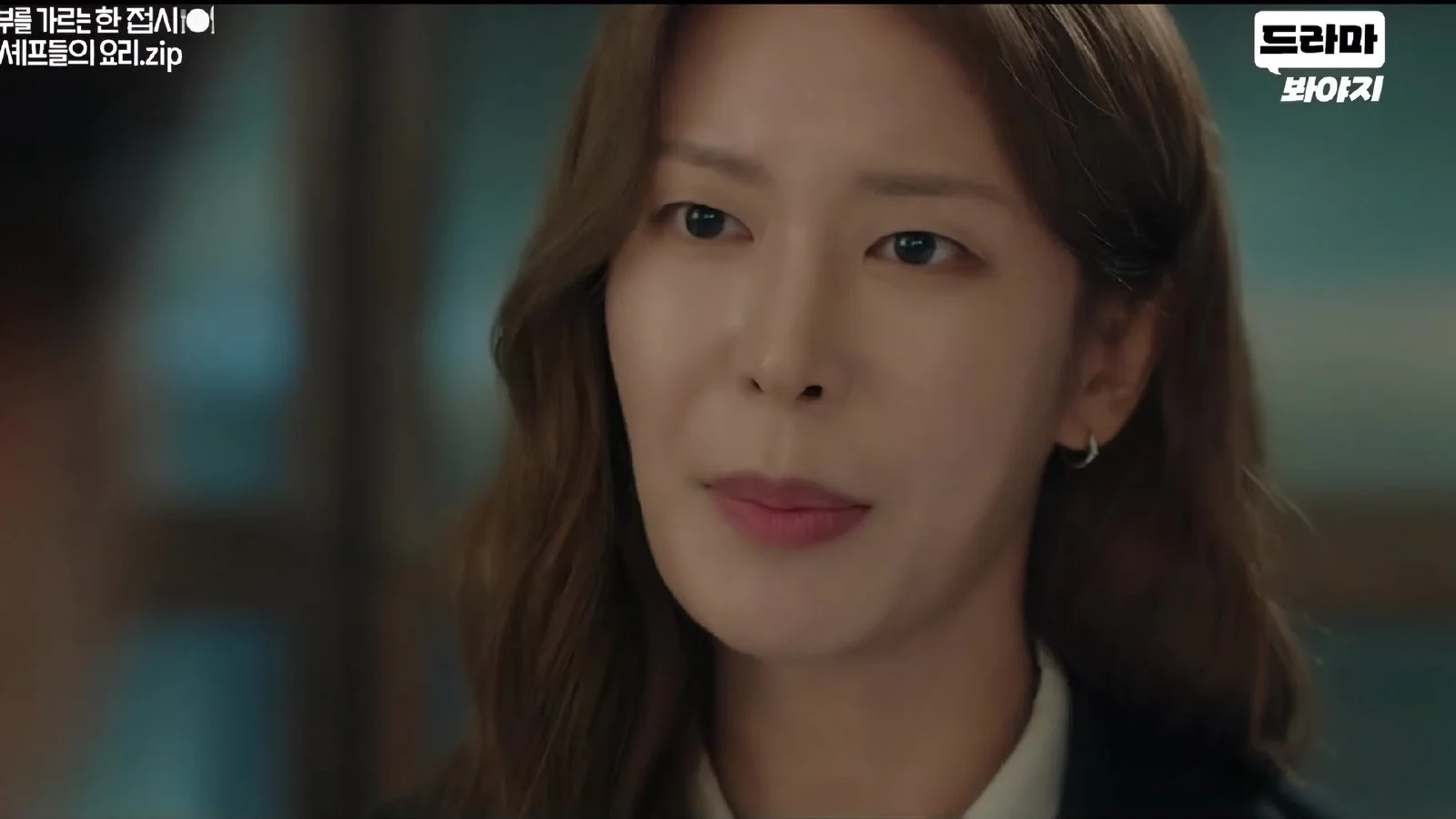
The main round of the JTBC drama 'Final Table' concluded with no winning team announced after three teams recorded identical scores. The competition challenged chefs to use ingredients like nuruk and doenjang to foster intergenerational communication through dishes designed to evoke memories.
A philosophy that cooking is a medium to move people's hearts beyond mere technique lies at the center of the competition. The main round of the JTBC drama 'Final Table' is portrayed as a process that goes beyond a simple battle of flavors, showing how cooking can lead to communication between generations and create social value.
Finding common ground between traditional nuruk and ravioli
The core strategy of the first round of the main competition was to "activate intergenerational communication." Chefs were tasked not just with making delicious food, but with embedding a medium in their dishes that would encourage the families dining together to engage in conversation. One chef presented a dish shaped like the islands of the Yellow Sea, choosing a unique method of filling chicken breast with a custard-like texture. This dish utilized 12 ingredients, including doenjang, rice, abalone, and seaweed stalks.
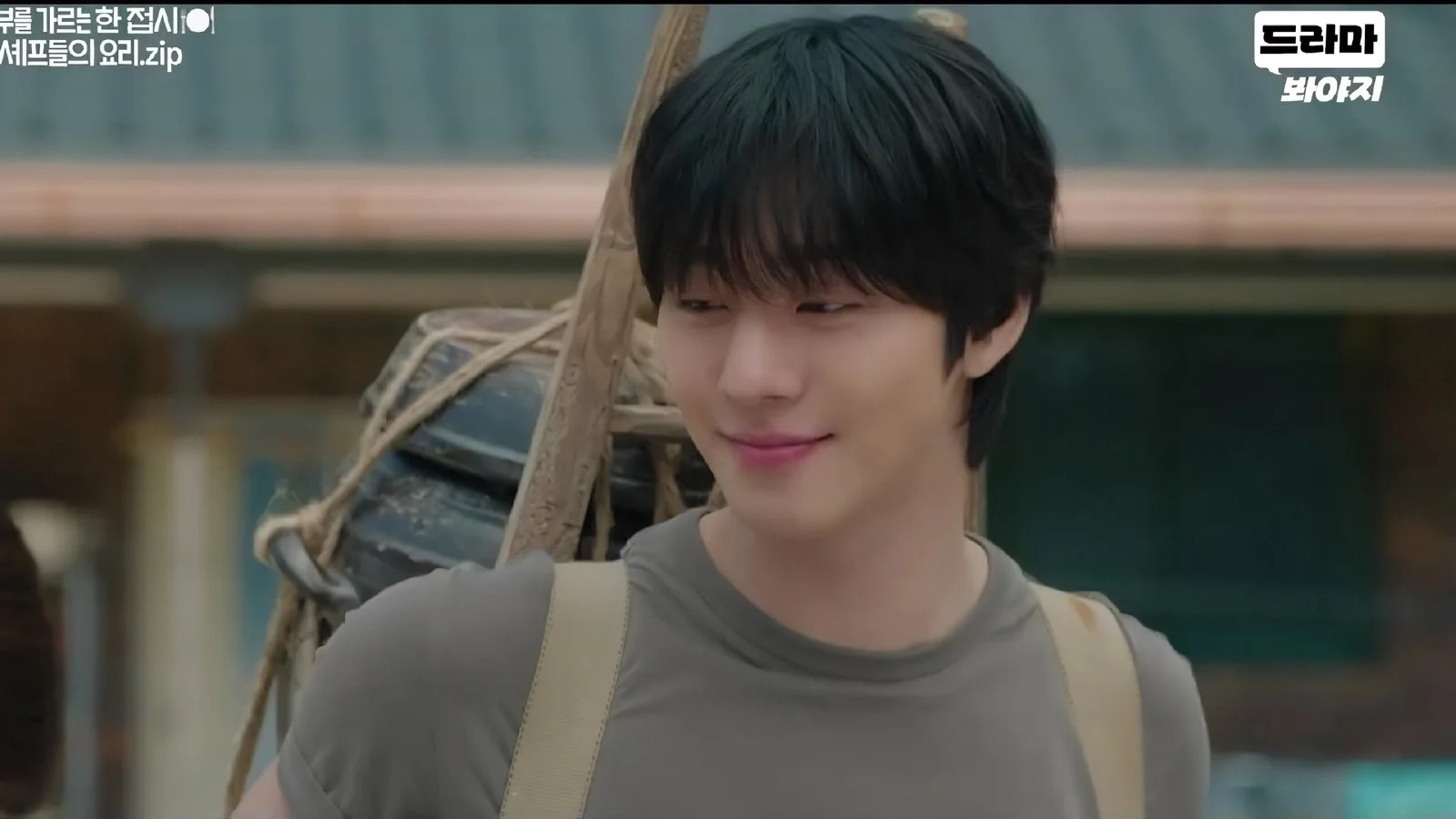
Of particular note was the reinterpretation of traditional ingredients through a modern lens. The ravioli, made using seaweed stalks and doenjang, provided a sense of familiarity to the parent generation through the doenjang, while offering the younger generation curiosity regarding the new form of ravioli. The dish reflected the philosophy that if ingredients with distinct aromas, such as cheonggukjang, are difficult to harmonize with Western ingredients, the chef must facilitate the communication between them.
Reinterpretation using nuruk: the boundary between technique and heart
Another chef reinterpreted a traditional noodle set, capturing memories of a playground while waiting for their mother during childhood. Technical attempts were added, such as short-term fermentation and freezing processes within the constraints of the given time. In particular, the method of coating meat with nuruk before grilling was used as a strategy to maximize umami by utilizing the tenderizing properties of the nuruk. The cast expressed surprised reactions to the beautiful color and functionality of the nuruk.

These attempts suggest that cooking is completed when it moves beyond scientific technique to connect with someone's memories. To prove the proposition that "cooking is not technique, but heart," chefs focused on implementing soft textures for the elderly or the tastes of memories. However, following the intense competition, an unusual situation occurred where no winning team was announced for this round as three teams recorded identical scores.
Fateful partnerships and a new mission: 'Traditional Liquor meets street food'
The competition continued with an unpredictable flow. The third-round mission was conducted in a format where chefs formed teams with a single partner chosen by the head chef via limousine. The partnership, decided with the message "You are my destiny," emerged as a variable that will determine the direction of future competitions.
The mission for the following third round is "pairing," creating food that goes well with traditional liquor, a local specialty. In particular, the task is to elevate "street food" from memories into high-end cuisine to present the best meal set. The chefs, now with new partners, prepared for the next battle by visiting local markets and fish markets to identify specialties and contemplating dishes with a "kick" that would pair well with yakju containing medicinal herbs.
Source: DRAMA Voyage (YouTube)

0Comments
Comments are currently disabled.