
Na Hoon-a's Legacy: Trot Masterpieces Passed Down from Park Ji-hyun to Jang Min-ho
Park Ji-hyun, Choi Soo-ho, Na Sang-do, Jeong Dong-won, and Jang Min-ho showcase a generational shift in trot by reinterpreting Na Hoon-a's hit songs…
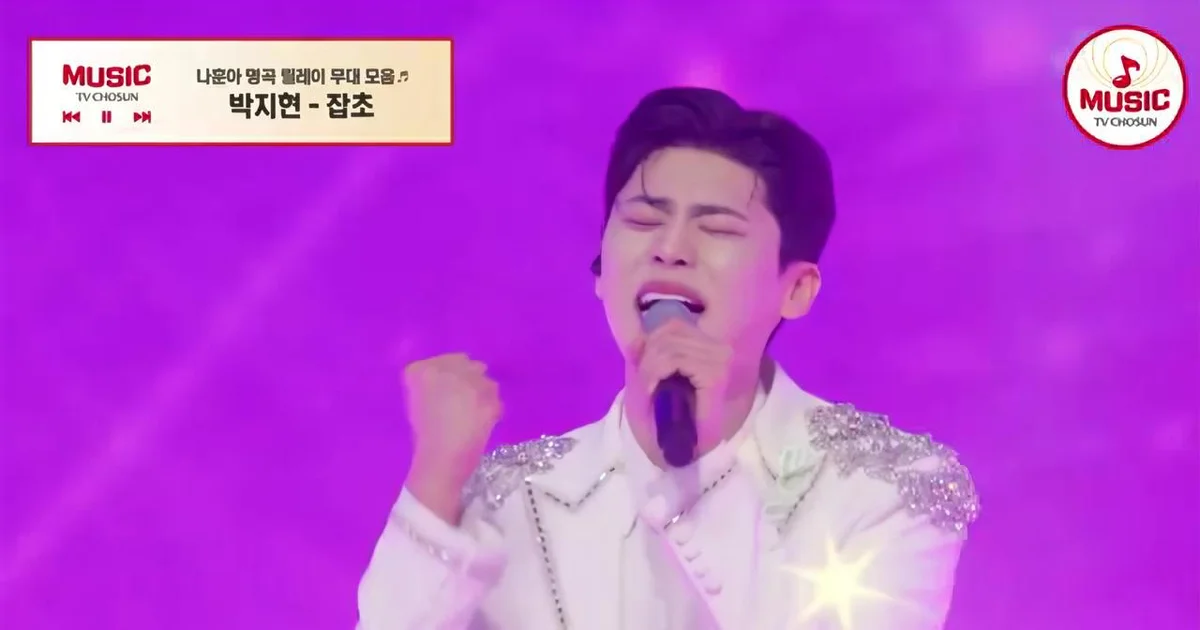
The reason the trot genre possesses the power to transcend generations lies in more than just the familiarity of its melodies. When the deep narratives found in the works of era-defining masters meet the ability of junior singers to reinterpret them with their own unique colors, music finally forms a cohesive movement. The recently released collection of performances serves as a symbolic showcase of how the unparalleled musical legacy established by Na Hoon-a is being passed down to the next generation.
Diverse Perspectives: Junior Singers Reinterpreting a Master's Works
Park Ji-hyun revealed the raw vitality of the song through "Japcho" (Weed). He stood out for his ability to unravel the song's emotions in his own style without losing the weight inherent in a master's composition. Following him, Choi Soo-ho chose "Why Cry" (Ulgin Wae Ureo), heightening the stage's immersion by conveying the song's signature sorrow. It was a moment where his delicate expressive power, following the emotional arc of the song, truly shone.
Na Sang-do sang of life's joys and sorrows through "Even if I Fill My Life with Tears" (Nae Salmeul Nunmullo Chaewodo). Given that Na Hoon-a's songs typically capture the ups and downs of life, the depth of emotion Na Sang-do displayed can be seen as an attempt to reach the very essence of the music. Jeong Dong-won evoked a sense of nostalgia that transcends generations with his rendition of "Distant Hometown" (Meonameo Gohyang). Despite his young age, his effort to understand and express the song's sentiment was evident on stage.
The Succession of Tradition and the Flow of Trot's Generational Shift
Jang Min-ho concluded the performances with "Garaji," reaffirming the authenticity of trot once again. These performances do more than simply recreate past hits. They are akin to branches growing from the massive root of Na Hoon-a, each blooming in a different direction. The lineup—Park Ji-hyun, Choi Soo-ho, Na Sang-do, Jeong Dong-won, and Jang Min-ho—proves the scalability of the trot genre.
Ultimately, these performances suggest that the musical achievements built by Na Hoon-a are not merely a passing fad but are being constantly reinvented through the voices of junior singers. When singers with distinct timbres and charms sing toward a single master, the vitality of trot becomes even more robust. This trend serves as a crucial indicator of how the trot market will change and evolve in the future.


0Comments
Comments are currently disabled.