
Wife's Casual Attitude Toward Death: The Underlying Psychological Defense Mechanisms
This analyzes the psychological impact and defense mechanisms of the Wife's Casual Attitude Toward Death on the marital relationship.
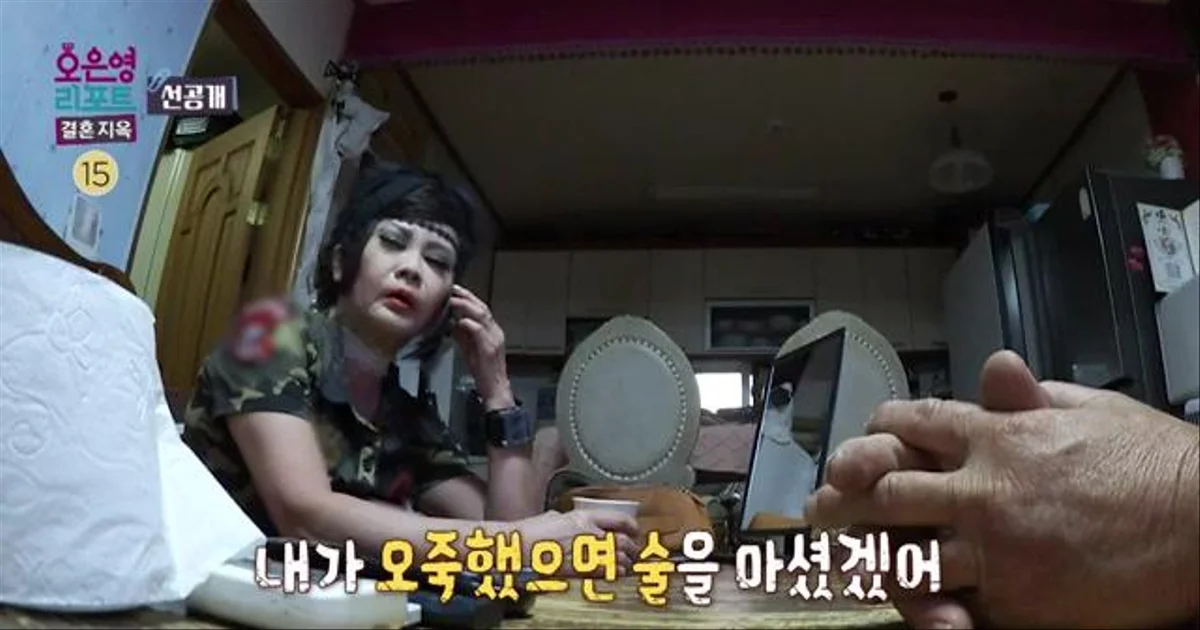
When conflict between spouses transcends mere personality differences and evolves into a clash of psychological defense mechanisms, the cracks in the relationship deepen. The recently released case of 'Masked Couple' illustrates the psychological disconnect between partners through their differing attitudes toward the extreme theme of death.
The Wife's Casual Attitude Toward Death: The Underlying Reason
In the video, the wife maintains an excessively casual attitude toward her own death. This reaction is not simply a failure to grasp the gravity of the situation; rather, it can be interpreted as an unconscious defense mechanism intended to protect herself from overwhelming psychological pain or anxiety. Paradoxically, her lighthearted mentions of death may serve as a signal of her attempt to evade the heavy burdens of her current life.
Mismatched Reactions and Emotional Disconnection
This attitude becomes a decisive barrier to communication with her spouse. The partner feels deep anxiety and distrust due to the wife's nonchalance, leading to a breakdown in dialogue. When one party suppresses or trivializes emotions to avoid psychological distress, the other is left without emotional support, resulting in a sense of isolation. This mismatch in communication styles acts as a factor that shakes the very foundation of the marital relationship.
Why the Psychological Masks Must Be Removed
The 'masks' spouses wear for one another are merely temporary measures to avoid conflict and cannot serve as a fundamental solution. While the wife's attitude regarding death is a means to protect her inner self, it ultimately results in severing the emotional connection with her spouse. This case offers significant insight: to restore a healthy relationship, each partner must confront the reality of the psychological masks they wear and first develop a deep understanding of why they felt compelled to adopt such defense mechanisms.



0Comments
Comments are currently disabled.