
Gwangyang to build steel landmark on Gubongsan Mountain to boost tourism
The 'Panorama Walk' project, a collaboration between Gwangyang City and POSCO, aims to establish a new landmark on the summit of Gubongsan Mountain using steel to connect the region's industrial identity with culture and art.
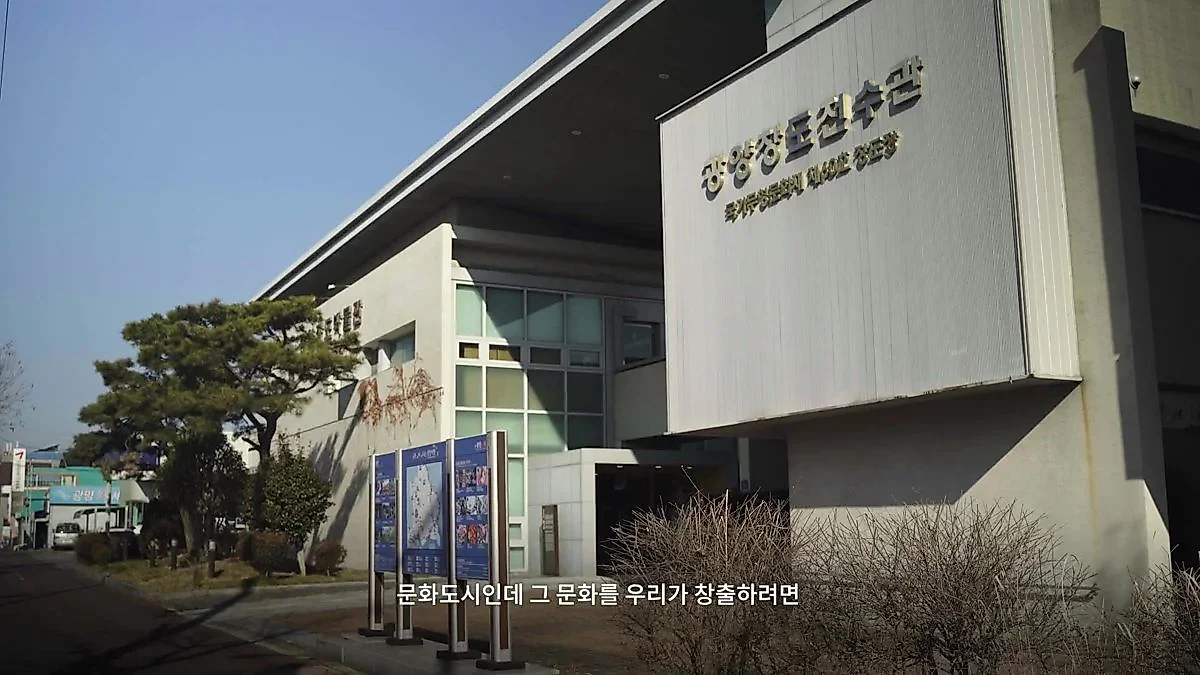
Gwangyang City and POSCO are collaborating on the 'Panorama Walk' project to install a steel structure atop Gubongsan Mountain. The initiative aims to revitalize the local economy by transforming industrial assets into a cultural landmark, following a design process that adjusted the structure's scale to minimize ecological damage.
A new landmark utilizing "steel," a key industrial asset of the region, is being established at the summit of Gubongsan Mountain in Gwangyang, Jeollanam-do, a hub of the steel industry. The 'Panorama Walk' project, promoted through cooperation between Gwangyang City and POSCO, is evaluated as an attempt to expand the assets of an industrial city into the realms of culture and art, moving beyond the mere installation of a sculpture.
According to a making-of film released by POSCO Studio, the project focuses on combining the historical symbolism of the summit of Gubongsan Mountain with the industrial identity of Gwangyang. By erecting a steel structure on the summit—a historical site that once housed a beacon station used to protect the region—the plan is to build a symbol that connects Gwangyang's past, present, and future.
Design revised to include citizen voices, focusing on minimizing ecological damage
A core element of this project is the active collection of citizen opinions during the design process. From the early stages, Gwangyang City and POSCO held numerous citizen briefings and public hearings. In particular, the location and scale of the structure underwent several adjustments to minimize damage to the ecosystem of Gubongsan Mountain.
The final design was also determined through a citizen survey. While there were concerns regarding changes to the existing local image during the process of relocating the former beacon station, an agreement was reached with citizens regarding practical usage, such as safety, viewpoints, and accessibility. A project official explained, "The process of creating a new piece of public art while gathering the opinions of citizens is itself an example that shows new possibilities."
Industrial assets to revitalize local economy, aiming for 'Guggenheim Bilbao' model
The project carries strategic significance in transforming Gwangyang, a steel industry city, into a city where culture and tourism coexist. Officials mentioned the case of the Guggenheim Museum Bilbao in Bilbao, Spain, which turned a declining steel industry city into a hub for regional regeneration, and they expect the Gubongsan project to establish itself as a new attraction for Gwangyang.
Expectations within the local community are also high. Field officials reported that local residents, waiting for the completion of the project in everyday spaces such as restaurants and taxis, are expressing hope for the influx of tourists. It is anticipated that once the sculpture is completed, the local economy and commercial sectors will be revitalized through the influx of visitors.
Ultimately, Panorama Walk is expected to serve as a test case for how the industrial asset of steel can be converted into local cultural pride. Attention is focused on whether it can move beyond a simple sculpture to become a new symbol of Gwangyang where industry and culture coexist and a resting space where generations communicate together.
Source: original video (YouTube)


0Comments
Comments are currently disabled.