
Omar advises against unrequited love lasting more than two months
On the YouTube channel Omar's Life, Omar provides psychological insights into why people struggle with ambiguous romantic signals, attributing the distress to self-deception and cognitive dissonance.

YouTube counselor Omar warns that individuals often suffer from cognitive dissonance by deceiving themselves about a partner's ambiguous intentions. He advises that people should not pursue unrequited love for more than two months to avoid being used by those merely "playing boyfriend" for their own convenience.
Counseling sessions on the YouTube channel Omar's Life have provided sharp insights for those struggling between an相手's ambiguous attitude and their own emotions. In these sessions, directed at individuals suffering because they misinterpret the words and actions of others, the core of the problem was identified not as the other person, but as "the heart that deceives oneself." The video pointed out the cause of the issue, stating, "The reason you cannot know a man's true feelings actually lies on your side."
The true meaning of "I'm too busy to date"
Individuals often fall into confusion when a person they have a relationship with draws a line by saying, "I'm too busy to date," yet continues to engage in behaviors similar to a partner, such as requesting morning calls. For those who believe this is "rapport building" and wonder about the other person's intentions, Omar offered a firm diagnosis.

Omar emphasized that if someone says, "I'm too busy to date," that statement should be taken at face value. His analysis suggests that when a person acts as if they want communication beyond a mere relationship, it is not an effort toward a relationship, but merely "playing boyfriend" for their own convenience. He added a warning that even if the other person acts as if they are showing interest, if it does not lead to a clear intention to date, the likelihood of being used increases.
Cognitive dissonance and self-deception: "Two minds are fighting inside me"
The cause of the distress that occurs when an opponent's attitude is ambiguous lies in "cognitive dissonance." This happens because the reality before one's eyes conflicts with the situation one desires. The video explained, "The reality in front of you is not difficult, but cognitive dissonance occurs because of the feeling of liking them that you possess." It was analyzed that many people try to interpret the current situation as a sign that the other person likes them, and they ask others questions to bridge the gap between reality and ideal.
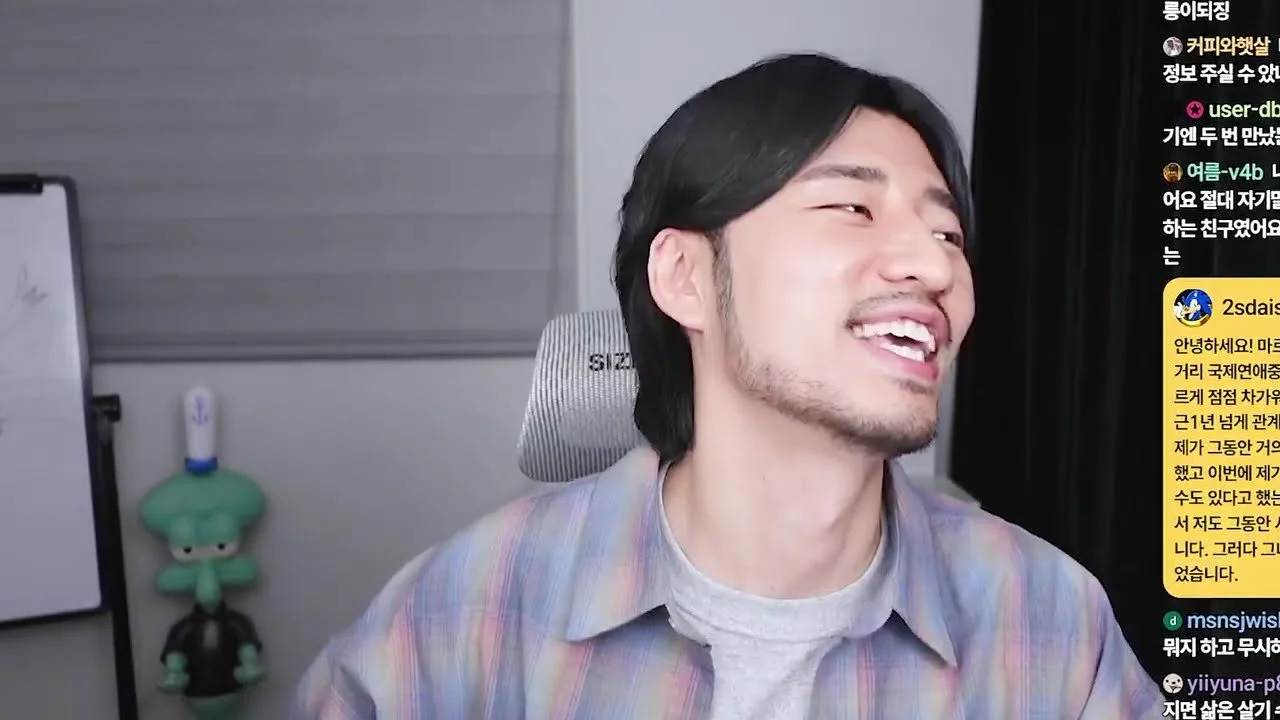
In particular, he pointed out the danger of the act of denying one's emotions by telling oneself, "I don't like that person." The moment a lie told to protect one's pride is heard by one's own ears, internal conflict begins, such as "two [minds] are fighting inside me." Omar warned that defense mechanisms can cloud judgment, stating, "You have succeeded in deceiving yourself," and emphasized the importance of looking directly at one's own emotions.
"Two months is enough for unrequited love; you only gain eyes after failing repeatedly"
A man's feelings are not divided only into "like" and "dislike." There are intermediate stages, such as human liking or low-intensity romantic interest, and understanding this allows for a broader perspective. Omar criticized the passive attitude of waiting only for the other person to love them perfectly as a waste of limited youth.

He advised an active attitude, saying, "Don't do unrequited love for more than two months." This is because, in many cases, people do not continue unrequited love because they do not know the other person's heart, but because they are afraid of being rejected and cannot break the relationship even though they know the other person does not like them.
Omar stated that the process of "breaking and rising again" is essential to meet the person one desires. His advice is that just as one must ruin many clothes to dress well, one must accumulate experience by repeating failures and wounds in dating to finally recognize and win over the person they want. He emphasized courage, stating, "A woman who braves embarrassment is the greatest predator."
Source: original video (YouTube)



0Comments
Comments are currently disabled.