
"I'm sorry I was born"... The weight of life in JTBC's 'Salon De Nabi'
A video has been released showing the characters in the JTBC drama 'Salon De Nabi' grappling with the weight of life and the reasons for their existence. The footage depicts the intersection of feelings of guilt, emptiness, and the struggle to find reasons to continue living.
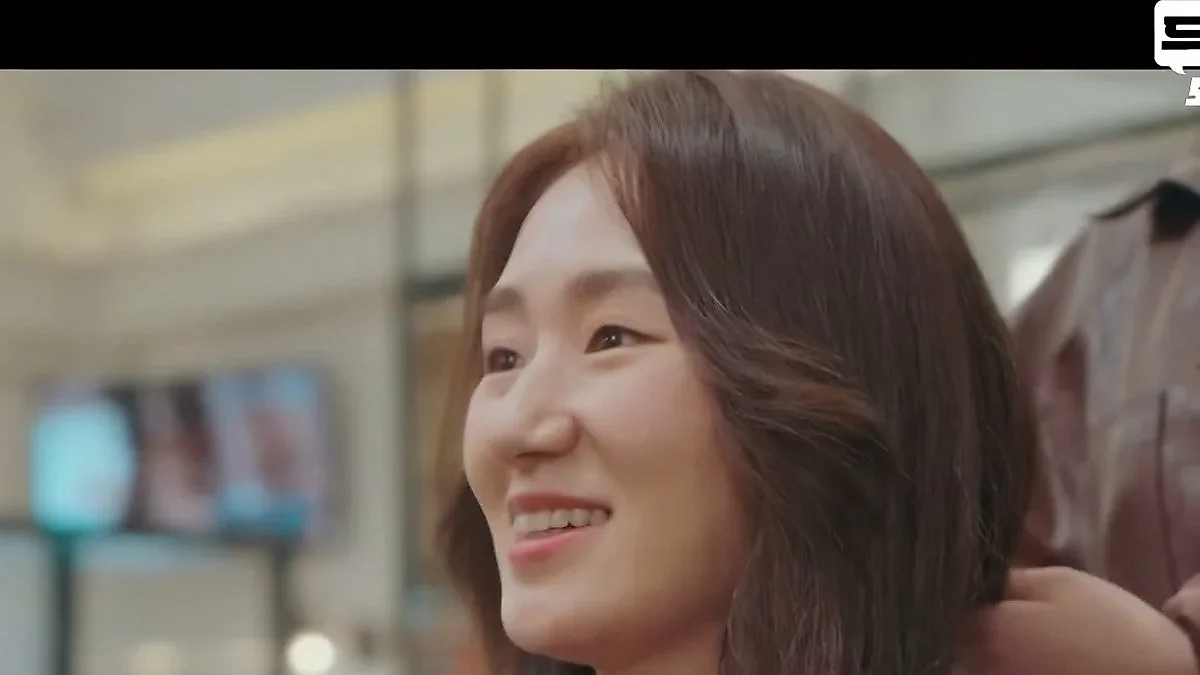
A video has been released containing the questions characters in the JTBC drama 'Salon De Nabi' pose regarding the weight of life and the reason for existence. In the video, the characters' feelings of guilt and emptiness in their respective situations intersect with their contemplations on the reasons to continue living.
"I'm sorry to my grandmother"... Fundamental questions about existence
One character in the video expresses deep skepticism about their own existence while thinking of their grandmother. In the process of worrying whether their grandmother was unable to enjoy freedom because of them, or whether she might not have found them bothersome, it leads to the confession, "I'm sorry I was born." This is depicted as an emotion stemming from the realization that they could not become someone's joy.
Conflicts and daily life of characters unfolding against the backdrop of a hair salon
Sharp conversations and everyday scenes between characters continue, centered around a hair salon. Characters working in the salon clash over work methods and attitudes. One character criticizes the attitude of those who work half-heartedly next to those who are working hard, voicing criticism against the attitude of doing just enough because it is simply a job to make a living. In this process, the psychological pressure faced by the characters is revealed through extreme expressions such as, "Since I can't do what I want to do, why don't I just die."
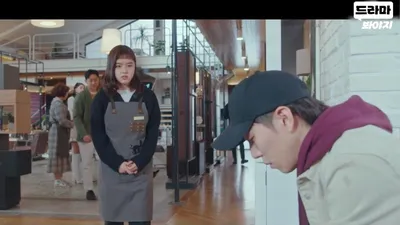
Meanwhile, the subtle relationship between Mu-yeol, who can no longer continue playing soccer, and the characters treating him is also shown. The process of Mu-yeol, who had to quit soccer due to an accident, being avoided by others, and attempting to communicate through an apology, is depicted within the space of the hair salon. While performing daily salon tasks such as attending to customers, preparing coffee, and adjusting hairstyles, the characters move while harboring their own individual stories.
"The last sentence is important"... A perspective on looking at life
The perspective of a character dealing with the emptiness of life is also captured. The question, "Today is no different from yesterday, so why must I live today?" poses a doubt about the continuity of life. While such contemplations could be dismissed as mere emotional excess, the character in the video focuses on what the last sentence of life is. The thing that becomes more important as one lives is ultimately the last sentence, and they show an attitude toward looking at life by reflecting on the meaning held by the final greeting, "Goodbye."
Source: DRAMA Voyage (YouTube)
0Comments
Comments are currently disabled.