
Africa's Tallest Statue: North Korea's Technology Standing Tall in Dakar, Senegal
The African Renaissance Monument in Dakar, Senegal, which stands taller than the Statue of Liberty or Christ the Redeemer, was constructed by North Korea's Mansudae Art Studio. This monument serves as a symbol of African pride and freedom, reflecting the diplomatic efforts of North Korea to gain support from African nations during the 1960s and 70s.
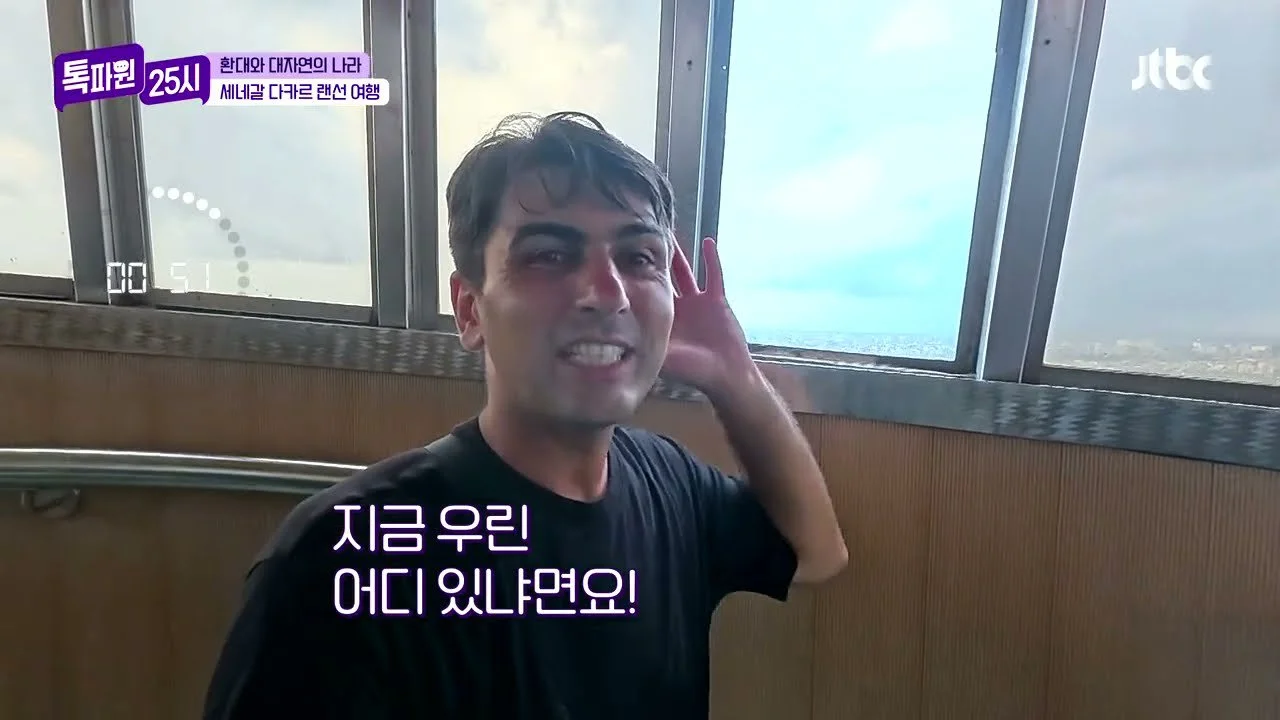
In Dakar, the capital of western Senegal, Africa, stands a massive statue taller than the Statue of Liberty in the United States or Christ the Redeemer in Brazil. The 'African Renaissance Monument' in Dakar, Senegal, introduced through JTBC's 'Talk Pa One 25 O'Clock', reaches a height of 56m and is a landmark symbolizing African pride and freedom.
The 56m tall 'African Renaissance Monument' embodying the will toward freedom
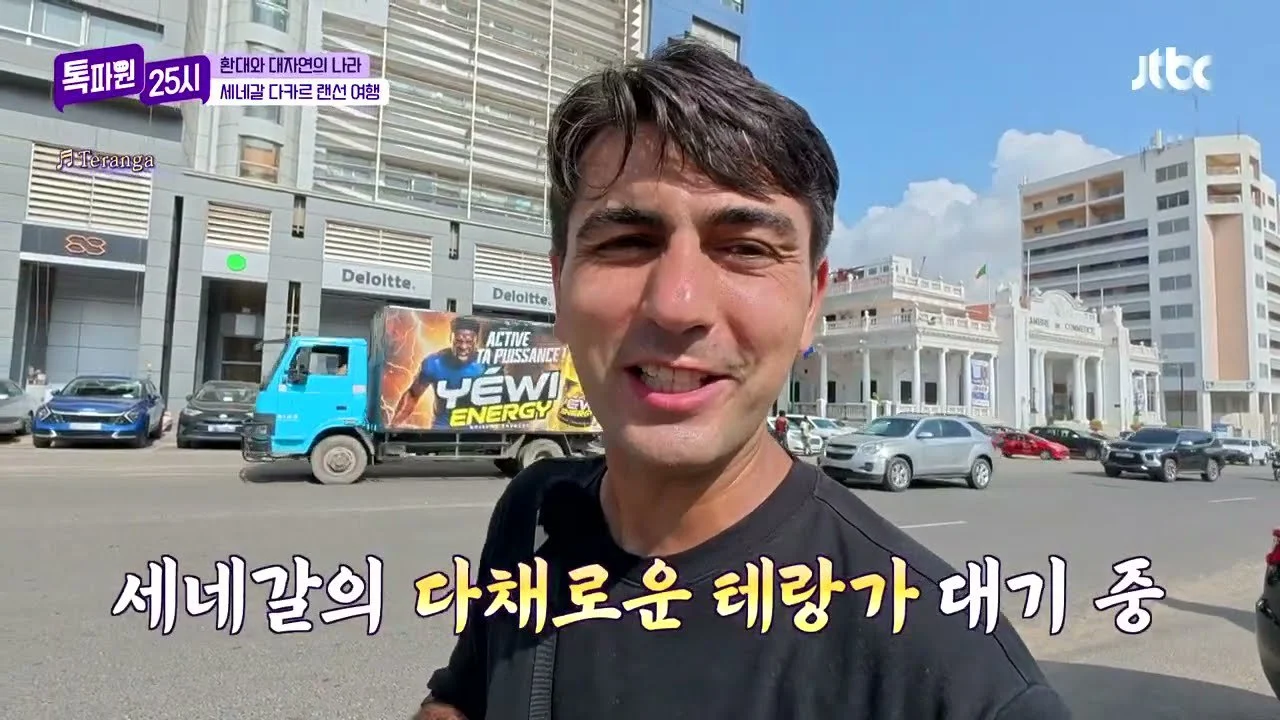
Dakar, the central city of Senegal, is where three-quarters of the population resides and economic activities are concentrated. Having been under French rule in the past, this place has been building its own culture and pride since independence. In particular, the hospitality culture called 'Teranga' is a key keyword showing Senegal's identity. This signifies a spirit of solidarity, meaning the willingness to share what one has and respect one another, and it has become a national value, used as the nickname for the Senegal national football team and as an Olympic theme song.
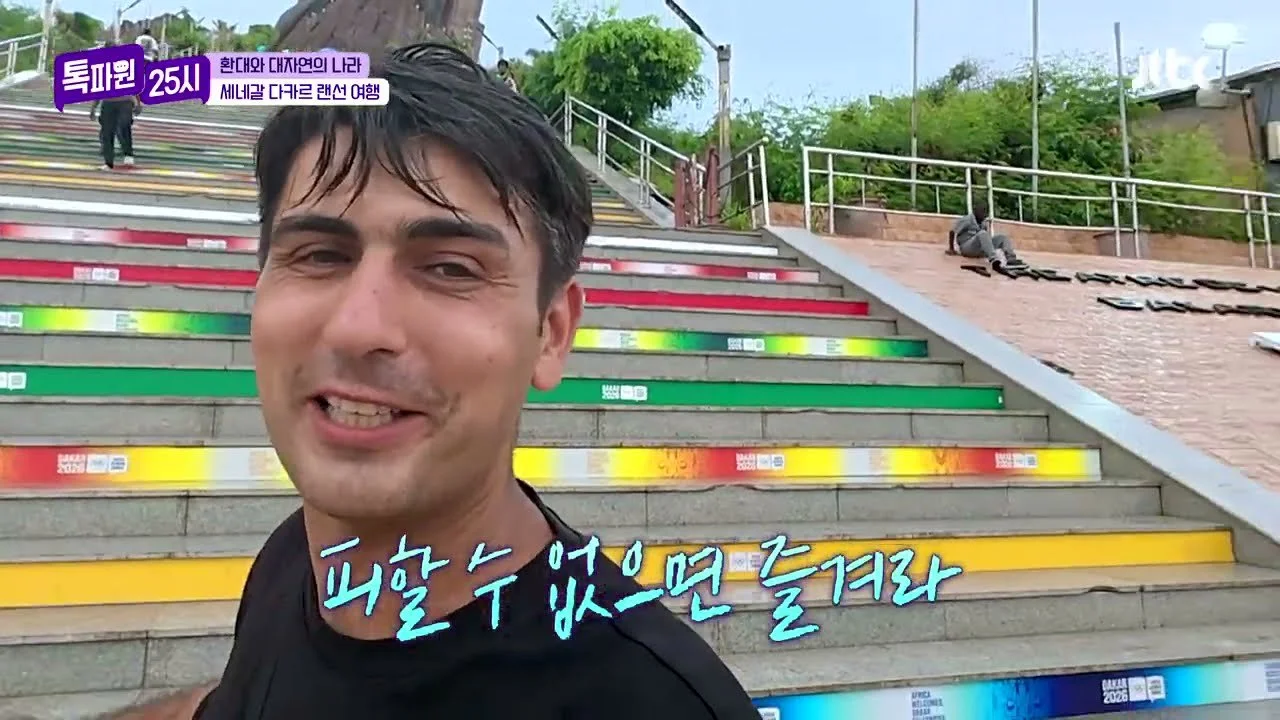
The African Renaissance Monument, a symbol of Dakar, was opened on April 4, 2010, to commemorate the 10th anniversary of independence. The statue has a unique shape of a man lifting a child toward the sky, which symbolizes the freedom and confidence of Africa seeking to move toward the future by overcoming the painful history of colonial rule. To reach the statue, one must climb 198 steps, and standing at the top, one can view the city of Dakar at a glance. However, the viewing space is narrow, so the time one can stay is limited.
North Korea's 'Mansudae Art Studio' that built a giant statue in Africa
The fact that the entity that produced this giant statue is North Korea, rather than a South Korean company, is an unusual aspect. The African Renaissance Monument was erected through the overseas development project of 'Mansudae Art Studio', a company specializing in statue production in North Korea. Mansudae Art Studio is the entity in charge of producing major statues within North Korea and has been active by changing its name to target overseas markets.
The background of North Korea constructing giant statues for African countries lies in the diplomatic dynamics of the 1960s and 70s. At that time, North Korea and South Korea desperately needed the support of African countries during the voting process to join as members of the UN. To secure African countries that were entering the UN in large numbers through independence, North Korea conducted lobbying through technical support such as the construction of giant statues, and one of the results is this statue in Senegal. Currently, as Mansudae Art Studio is on the UN sanctions list, such large-scale overseas projects have been suspended.
The scenery of Dakar where French and Islamic styles coexist
The scenery of Dakar that follows after viewing the statue reflects the complex history of Senegal. Marché Kermel in Dakar shows a unique architectural beauty where French architectural styles and Arab/Islamic styles are mixed. The market welcomes travelers with abundant ingredients and a vibrant atmosphere, and it is a place where one can catch a glimpse of the dynamic lifestyle of Senegal.
Source: JTBC Entertainment (YouTube)



0Comments
Comments are currently disabled.