
KBS Gag Concert satirizes rural depopulation through single-person village leadership
A new comedy segment on KBS 'Gag Concert' uses a paradoxical setup to satirize the reality of rural villages facing depopulation and the disappearance of local social roles.
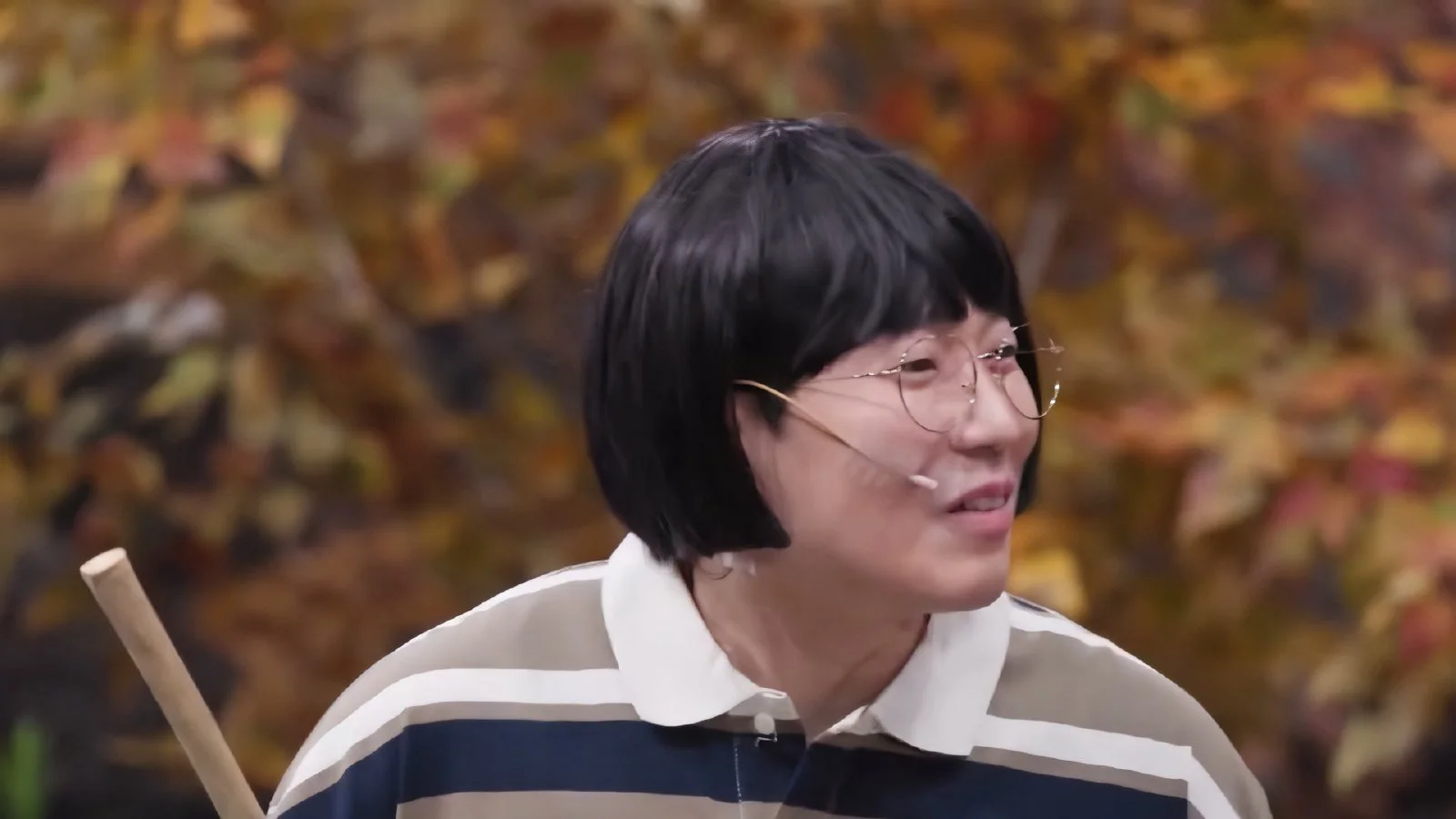
A new segment on KBS 'Gag Concert' uses satire to depict the reality of rural depopulation, where a single resident holds every major position including village head, youth president, crime prevention chief, and farming association president.
In an era where population decline and local extinction are major concerns, a stage has been released that satirically depicts the current state of rural areas in contrast to the bustling villages of the past. This segment, revealed through KBS 'Gag Concert', draws laughter by using a paradoxical situation to illustrate the reality where a single individual is forced to hold every position in a village.
"I am the village head and the youth president"... The reality of a village where one person holds all roles
When the cast arrived in the village and attempted to find young manpower, an unexpected situation unfolded. While searching for the youth president and the village head to bring vitality to the area, they were informed that one person performs all the major roles in the village. The fact that a single individual holds every position—from youth president to village head, crime prevention chief, and farming association president—serves as a stark illustration of changes in the population structure.

The cast members shout "Where are you?" to find the village's youth and attempt to gather residents, but the responses are either cold or concentrated on a single person. The individual performing all village roles humorously expressed the shortage of people by saying, "You can just talk to me." This goes beyond the simple fact of a small population, suggesting a facet of rural life where there is insufficient manpower to perform even the minimum social roles required to maintain a village.
"We don't even have a boiler"... Lacking infrastructure and the changed rural landscape
Scenes showing the village's living environment also reveal a changed landscape. Unlike the mention that a neighbor has a boiler, the reality of the village is that it is difficult to even equip one. One resident mentioned that while the neighbor Binchi provided a boiler, they do not have one, revealing an infrastructure gap. In particular, one resident added a bitter reality, saying, "We don't need a boiler," while also noting, "It is warm, though."

The commotion that occurs as the cast organizes the village environment for filming reflects the current state of rural areas, which is far removed from the vibrant community images of the past. The unexpected situations occurring during filming contrast with the static atmosphere of the village. The gap between the villagers who are conscious of the camera and want to appear on broadcast and the production team requesting natural daily life shows the changed social relationships faced by rural villages. While the village elders continue their daily lives with vigor, the absence of the younger generation to support the village leaves a bitter aftertaste through the medium of comedy.
The absent youth and the static daily life of the village
In a segment showing the village's manpower structure, the cast looks for the youth president, only to find that the youth president also holds all the village's positions. The confession that one person performs the roles of youth president, village head, crime prevention chief, and farming association president suggests that the village's human resources have been exhausted. The appearance of individuals along with the remark, "There are people to work," shows that the village's population structure has changed extremely.
Daily life in the village is static. Settings such as a chicken crowing and causing a disturbance during filming, or the cast moving rocks and pulling out the sun for the shoot, contrast with the quiet atmosphere of the village. The villagers continue their daily lives, saying, "It is best to work naturally," but the social functions required to maintain the village rely on the devotion of a single individual. One villager paradoxically expressed the changes brought by the village's human composition, saying, "Father has finally gained freedom."
"It is okay even if everyone leaves"... The final answer of those guarding their hometown
The segment showing the extreme change in the village's population structure reaches its peak when the cast asks the villagers, "How long will you continue to guard your hometown like this?" In a reality where the majority have left for the city, the few individuals guarding the village provide the answer: "It is okay even if all these people leave."
Rather than emphasizing measures to prevent village extinction or the need for population inflow, this answer simultaneously shows the resignation and acceptance of those staying in place while accepting the already changed reality. The sight of those silently holding their positions while bearing all the village's roles makes one reconsider the rural reality hidden behind the title 'The Age of Romance'.
Source: original video (YouTube)


0Comments
Comments are currently disabled.