
Bucheon natives discuss how childhood experiences shaped their survival strategies
Cast members from Bucheon discussed their regional characteristics and unique survival methods in a video released by the YouTube channel "So Much Experience, but No One to Talk To."
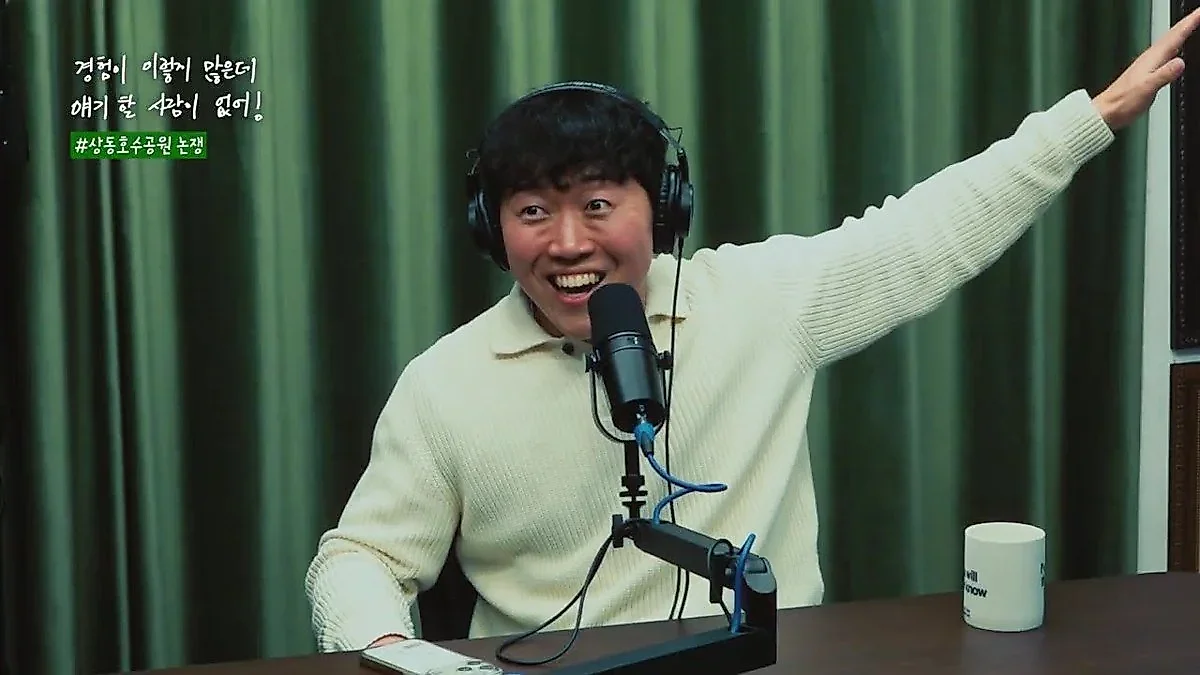
Cast members from the YouTube channel "So Much Experience, but No One to Talk To" discussed how growing up in Bucheon led to a mindset of accepting loss and prioritizing dialogue over physical confrontation. The group shared how past experiences, such as the coercion to lend belongings, fostered a flexible "it is what it is" attitude.
Cast members known to be from Bucheon gathered to discuss their regional characteristics and the unique survival methods formed within them. A video released by the YouTube channel "So Much Experience, but No One to Talk To" candidly captures everything from the geographical boundaries of Bucheon to how childhood experiences have influenced their current personalities.
The Sangdong Lake Park boundary and the intuition of Bucheon residents
The conversation began with a debate regarding the geographical boundary where Sangdong Lake Park is located in Bucheon. The cast mentioned that because the park sits adjacent to Bupyeong, Incheon, across a highway, it occupies an ambiguous location that is geographically in Bucheon but is heavily used by people from the Incheon area. In this process, the discussion touched upon the tendency of Bucheon residents to be mindful of people from other regions.
The cast explained that being mindful of other regions acts as a type of survival strategy and a form of consideration for Bucheon residents. The conversation continued with the context that, rather than engaging in conflict over specific regional boundaries, the attitude of naturally accepting the shared use of the park is one of the characteristics of people from Bucheon.
"Pressure to lend the PlayStation"... Enlightenment born from experiences of loss
Specific examples of the rough environments experienced in Bucheon during childhood and the "intuition" formed because of them were also shared. One cast member recalled an experience during middle school when seniors pressured him to lend a PlayStation he had difficultly acquired. At the time, the act of lending the machine was essentially close to coercion, and he reported that losing precious belongings or having bicycles stolen was frequent during this process.
These experiences influenced their values after becoming adults. The cast members stated they developed an enlightened attitude of thinking "it is what it is" even when items are stolen or lost. They explained that rather than obsessing over possessing something, it became an opportunity to think positively by being grateful for the small things that remain when something is gone. This suggests that the harsh experiences of their childhood paradoxically created a flexibility that prevents them from being greatly shaken in any situation.
"Dialogue with words instead of fists"... Why they chose podcasts
Having grown up in rough environments and being accustomed to physical confrontation, the cast members showed that they place high value on communicating through "words" as adults. Having passed through environments where physical clashes were frequent in the past, they stated they now feel relief in solving problems or sharing opinions through dialogue without using fists.
In particular, they cited "an environment where one does not have to use their body" as the reason they prefer dialogue-centered content such as podcasts. They added that based on experiences of clashing with people through various part-time jobs in the past, they have now developed the ability to identify a person's disposition through conversation and avoid conflict. This background shows that these factors serve as the psychological foundation for the cast members continuing their dialogue-centered content.
Source: original video (YouTube)
0Comments
Comments are currently disabled.