
Five distinct personalities, including Park Eun-bin and Han Ye-ri, capture the raw reality of boarding house life in Age of Youth.
'Age of Youth' presents a realistic coming-of-age narrative set in a boarding house, featuring five distinct characters including Park Eun-bin and Han Ye-ri.
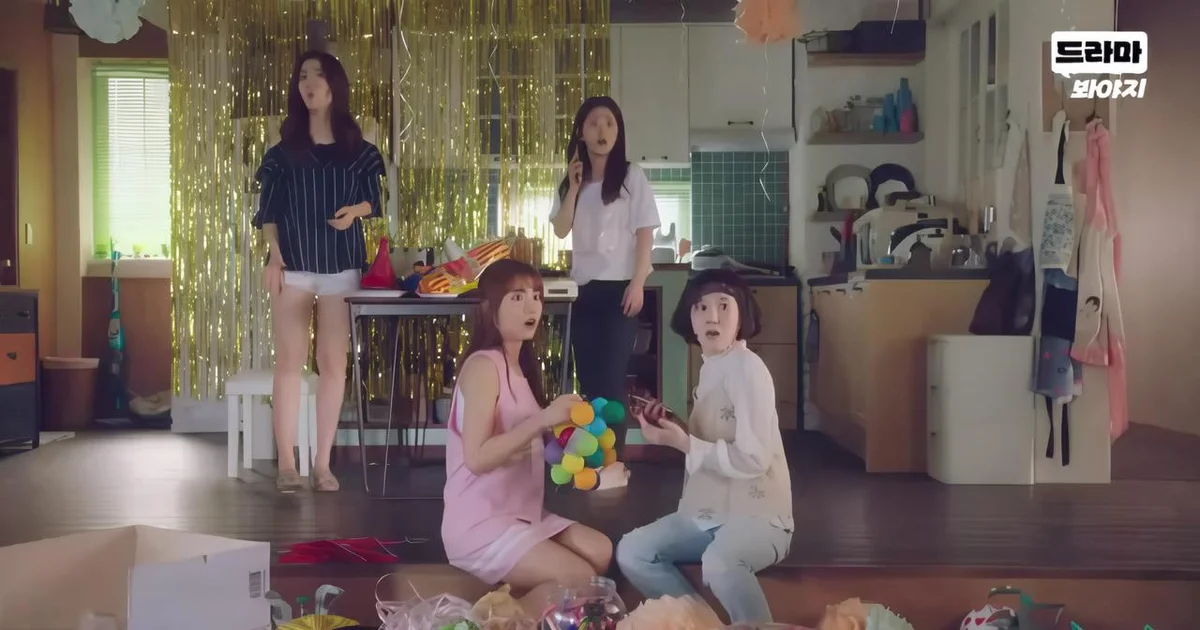
The drama 'Age of Youth,' which explores the conflicts and solidarity among five women from diverse backgrounds living together in a boarding house, is once again garnering attention. From college students to characters representing the darker sides of society, the tension and bond created by these extreme personalities coming together in one space serve as the core driving force of the series.
The Clash and Coexistence of Boundary-Breaking Characters
Through the meeting of five individuals with distinct stories, the drama unflinchingly reveals the hidden sides of youth. From the daily lives of ordinary college students to characters who face social prejudice, the closed environment of the boarding house becomes both a battlefield where their different lifestyles collide and a buffer zone where they begin to understand one another. In particular, as suggested by the provocative line, "That's a soul that has been murdered," the reality these characters face is by no means bright.
The ensemble cast, featuring Han Ye-ri, Han Seung-yeon, Park Eun-bin, Ryu Hwa-young, and Park Hye-su, adds multidimensional depth to the characters. The energy generated as these individuals, each with different personalities and values, clash within the cramped boarding house reflects more than just a typical youth drama; it projects fundamental human loneliness and the struggle for survival. The relationships between the characters break away from conventional tropes, following an unpredictable flow.
The Faces of Youth Enduring the Weight of Reality
The work does not define youth simply as a brilliant and beautiful period. Instead, it heavily conveys the realistic weight of having to struggle for survival through the characters' dialogue and situations. The boarding house functions as a temporary residence before they enter society and a complex space where they must either hide or reveal their respective wounds.
Episodes arising from the mixing of characters with various occupations and backgrounds showcase the diverse spectrum of youth to viewers. The process in which those who once pushed each other away gradually discover each other's deficiencies and connect through them is the narrative strength of this drama. This goes beyond a simple conflict structure, suggesting that the process of understanding others is ultimately the process of finding oneself.


0Comments
Comments are currently disabled.