
Samsung Electronics Academy trains technicians for irreplaceable HVAC roles
The Youth Hope Learning Center: HVAC and Refrigeration Technician Course, operated by Samsung Electronics, provides intensive practical training in Daejeon to develop experts capable of handling complex field variables that AI cannot replicate.
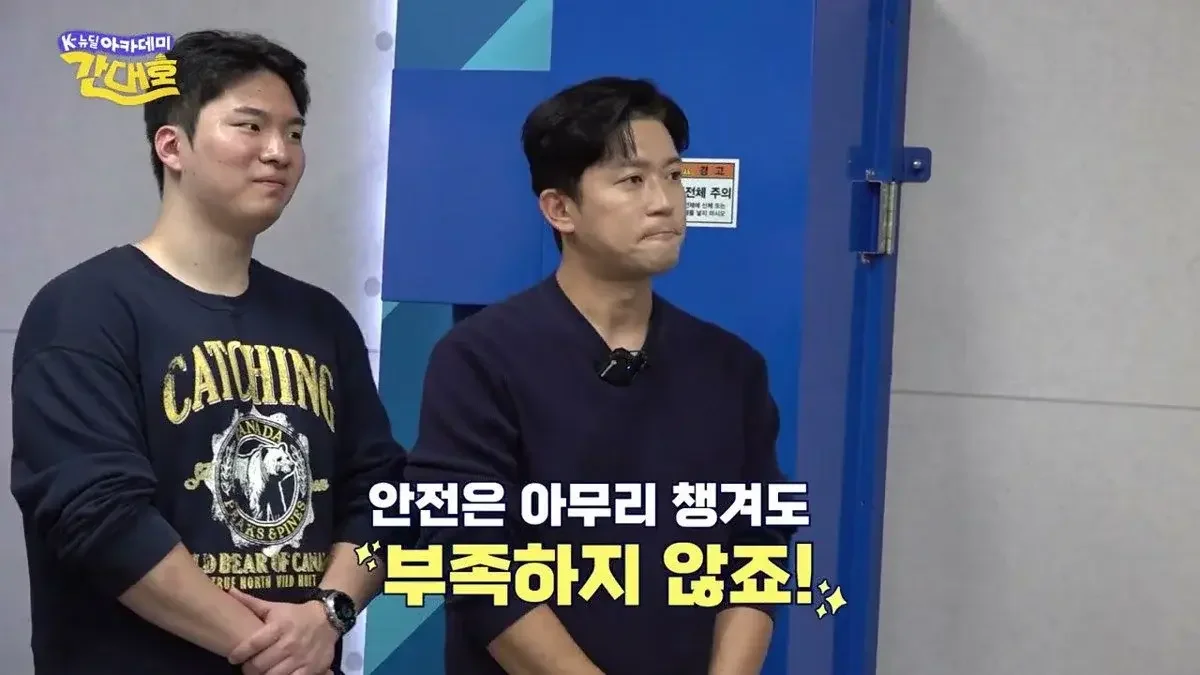
Trainees at the Samsung Electronics Service Academy in Daejeon are undergoing intensive practical training in welding and non-welding piping technologies. The program emphasizes safety through VR simulations to prepare technicians for high-risk tasks that remain difficult for AI to replace.
While artificial intelligence (AI) technology is penetrating all industries, there are areas where it is difficult for machines to completely replace humans. HVAC and refrigeration technology, which requires precise measures in response to complex field variables, is a prime example. The "Youth Hope Learning Center: HVAC and Refrigeration Technician Course" operated by Samsung Electronics is an educational program designed to nurture talent equipped with these practical capabilities.
The training site, reported by the Ministry of Employment and Labor, features intensive practical courses conducted in environments closely resembling actual industrial sites rather than simple theory. Held at the Samsung Electronics Service Academy in Daejeon, this course covers essential processes for HVAC and refrigeration technicians, ranging from safety accident prevention experiences to welding and non-welding piping technologies.
"Field accidents come without warning"... Learning safety rules with VR and ladders
Safety is emphasized as much as technical proficiency for HVAC and refrigeration technicians. Due to the nature of the job, which frequently involves high-altitude work such as installing ceiling-mounted air conditioners or performing exterior wall repairs, small negligence can lead to major accidents. Before starting full-scale technical practice, trainees underwent safety experiences to indirectly encounter dangerous situations that can occur in the field.
The training included high-altitude work experiences, such as learning how to fix parts of the body when using a ladder, and fall experiences that simulated falling situations. Specific rules were conveyed, such as the requirement that at least three limbs must be secured to the ladder during ladder work to prevent accidents. In particular, the "incomplete railing experience" using virtual reality (VR) maximized the sense of realism for trainees. In the VR training, which simulated repairing an outdoor unit from an apartment railing, the experience of falling to the ground instantly while working without a safety belt instilled the importance of wearing safety protective equipment in the trainees.
Field experts emphasized, "In actual sites, there are many unprepared accidental accidents," adding, "Since there are many high-risk processes like ceiling-mounted air conditioner or exterior wall work, the top priority is to possess accident prevention capabilities before learning the technology." A trainee in the video shared their impression, stating, "The process of the safety belt is something you must keep in mind so much that checking it two, three, or ten times is not enough."
From oxygen welding to non-welding crimping... Practicing precise piping connection technology
After completing safety training, trainees began practicing piping connection technology, which is the core of HVAC systems. Welding technology, which firmly connects pipes when installing equipment at HVAC and refrigeration sites, is essential. At the training center, oxygen welding practice was conducted using a mixture of oxygen and LPG. Unlike electric welding, this was a precise process of joining metal using the 'backshin' (the center of the flame) created by adjusting the oxygen valve while reducing the risk of flying sparks. The practice was conducted by mixing oxygen from a green container and LPG from a blue container, adjusting by opening the LPG valve by about 2mm.
Along with welding, practice for 'non-welding' technology, which has increased in importance at recent industrial sites, was also conducted. This method was introduced to safely connect pipes in homes or indoor environments where the use of fire is restricted. Currently, more than 90% of the refrigeration field uses this method, and non-welding methods are mainly used for indoor work when installing air conditioners. Conversely, for outdoor work, services are provided in conjunction with welding.
Trainees practiced the process of crimping pipes using a component called a 'lock-ring.' The non-welding method, which involves mounting the component on a thread marked 10mm or 12mm and then using specialized equipment to press the pipe close and connect it by applying pressure, is characterized by having fewer constraints on the working environment and higher safety compared to welding. A trainee participating in the practice said, "Having tried it myself, it feels more like art than a technology," and "Since we are handling metal, the people working in the field look amazing."
"Certificates are basic, experience makes skill"... Career advice from professionals
After completing the practice, trainees showed a new perspective on technical jobs. The reaction was that technology goes beyond simply handling machines and requires proficiency in responding to field variables. When asked about the vision for technical jobs, current professionals mentioned the wide scalability of the HVAC and refrigeration field.
HVAC and refrigeration technology has a very wide range of applications, from consumer electronics like air conditioners and refrigerators to facility management of large buildings, safety maintenance, and service industries. In particular, as industries where thermal management is important, such as data centers, grow, the importance of HVAC systems is on an increasing trend. A professional explained, "No matter how much AI technology develops, it is difficult to replace the area of HVAC system management where humans must directly take action on-site."
Advice for young people preparing for employment also followed. Experts advised, "A certificate is the most basic means of proving your capabilities, but you can become a true technician only when it is supported by actual field experience," and "It is important to combine obtaining certificates with practical experience." Additionally, they recommended that since the HVAC and refrigeration field is very wide, including building facility management, safety maintenance, and service industries, individuals should choose what they like and are confident in and study that field deeply.
Source: original video (YouTube)



0Comments
Comments are currently disabled.