
Korean food consumption declines as 'Hanbap' emerges
Professor Moon Jeong-hoon of the Seoul National University Food Business Lab predicts a "Society of Reduced Eating" will define the 2027 food market as Koreans decrease both meal frequency and meat consumption.
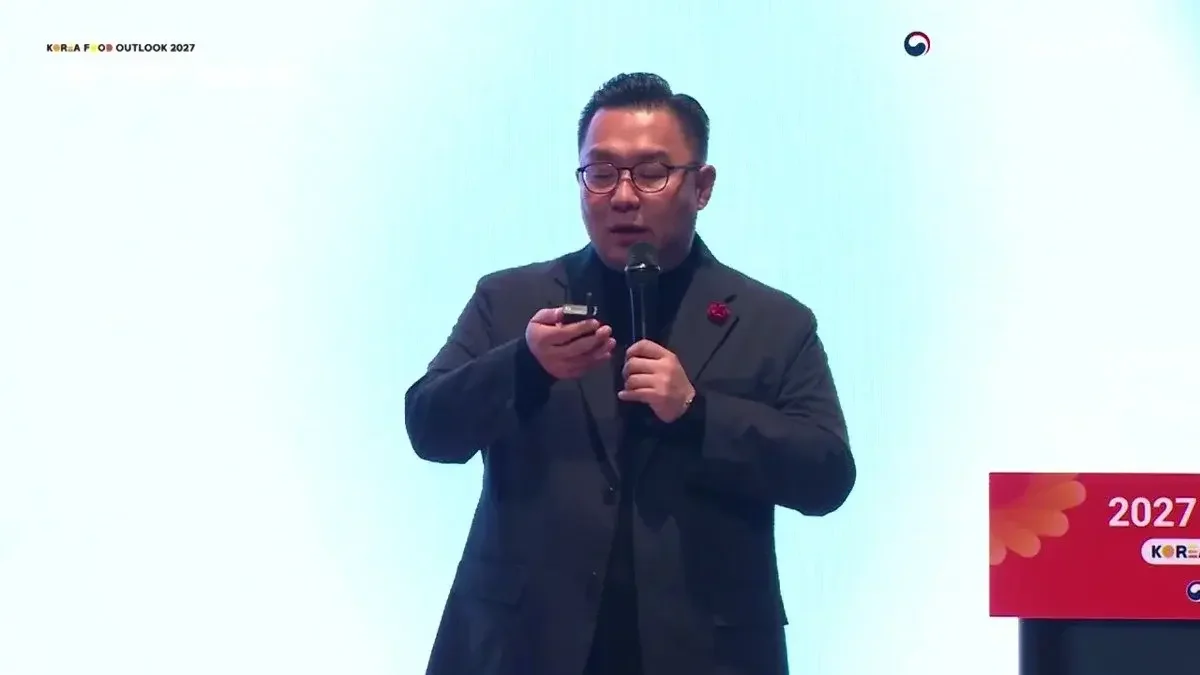
South Korean consumers are reducing both the frequency and volume of their meals, according to a presentation by Professor Moon Jeong-hoon in Seoul on November 4, 2026. Data shows consumption of major staples like rice and stews has decreased, while overall meat intake is falling despite efforts to increase protein.
South Korean consumers have begun to reduce both the amount and frequency of their food intake, signaling a period of crisis and new transformation for food companies and the retail industry.
During a lecture for the '2027 Food and Restaurant Industry Outlook' held on November 4, 2026, at Conference Room 401 in COEX, Seoul, Moon Jeong-hoon, a professor at the Seoul National University Food Business Lab, presented "Society of Reduced Eating" as the core keyword that will penetrate the 2027 food market. Professor Moon analyzed that Korean consumers have finally started eating less, noting that this shift will pose a significant challenge to the food and dining industries.
Decreasing meal frequency and the scarcity of 'Eating Together'
Based on consumption data from OpenSurvey, Professor Moon analyzed changes in the dietary menus of Koreans over the past year, comparing what they ate more or less of in the most recent year versus the two years prior. The analysis revealed that among the top five most frequently consumed main dishes—rice, soups/stews, stews, ramen, and kimbap—not a single item saw an increase in consumption frequency. Instead, the frequency of these major meal menus decreased across the board: rice (-8.6%), stews (-9%), soups/stews (-5.7%), ramen (-2.3%), and kimbap (-2.3%).
The degree of decrease varied depending on the characteristics of the menu. "The consumption of menus such as grilled pork belly has noticeably declined," Professor Moon explained, stating that "this is because the opportunities for meals where people gather to eat together are themselves decreasing." Unlike menus like spicy stir-fried pork that can be easily eaten alone, grilled items that require sitting together around a grill showed a downward trend in tandem with changing food culture. Even salads, which had shown a steady upward trend in recent years, showed a declining pattern.
This shift is leading to a structural reorganization of food culture. While "honbap" (eating alone) was the primary topic in the past, the era has arrived where the act of eating with others becomes special. Professor Moon defined this concept as "Hanbap", analyzing that menu selection and consumption patterns for honbap and Hanbap appear distinctly different. He emphasized that menu choices in honbap and Hanbap situations differ respectively when consuming convenience foods, using delivery services, or visiting dining establishments.
The paradox of protein intake: 'all-around decrease' in meat consumption
While there is a clear trend of reducing carbohydrate and sugar intake while increasing protein intake for health reasons, unexpected data lies beneath the surface. Upon analyzing sources of protein intake, Professor Moon found that beef and pork still constitute the mainstay.
However, this does not mean meat consumption is being maintained. Professor Moon pointed out, "It is not that people are selectively reducing meat consumption, but rather that they are reducing the consumption of all types of meat." He analyzed that even amidst attempts to increase protein intake, the overall meal volume—including meat—is decreasing, causing the supply sources of protein to gradually shift away from traditional meats.
Furthermore, the "Wellness" trend, which pursues both health and beauty, is exerting a powerful influence on food purchasing behavior. In Korea, wellness is closely linked to the desire to "become healthy and beautiful," often associated with GLP-1 class drugs such as Mounjaro. Recently, blood sugar management has become a core standard of food culture, with people using continuous glucose monitor data linked to services like Kakao Health or Pasta (a restaurant management app) to check how their blood sugar changes depending on what they eat.
Smart farms and K-food seeking breakthroughs in global markets
Technical and strategic movements to respond to changing consumption patterns are also being detected. Professor Moon predicted that smart farm technology will be key to producing customized crops tailored to the wellness food lifestyle. This is because the possibility of controlling specific components of crops by utilizing nutrient solution cultivation technology in smart farms to increase or decrease certain ingredients has opened up. Based on evaluations from retail MDs, he also discussed the direction of product competitiveness for crops produced via smart farms.
For K-food companies aiming to enter overseas markets, "Innovation Awards" at global food exhibitions are becoming important milestones. As more companies look abroad to overcome the saturation of the domestic market, winning innovation awards at proven global exhibitions such as Anuga or SIAL Paris has become a core strategy to attract the attention of buyers. Professor Moon stated that he has researched the attributes that Korean food must possess in overseas markets by analyzing the characteristics of global foods that recently receive innovation awards.
This research is the result of a one-year study conducted by the researchers at the Seoul National University Food Business Lab. The study comprehensively utilized consumption data from OpenSurvey, panel data from Macromill Embrain, grocery receipt data from housewives in the metropolitan area from the Rural Development Administration, new product attribute data from Mintel, data from Baemin, and liquor data from the National Tax Service. Professor Moon emphasized that for companies to survive in the rapidly changing food industry environment, it is more important than anything to read these minute changes in consumption.
Source: original video (YouTube)



0Comments
Comments are currently disabled.