
K-food companies adopt smart technology to preserve traditional flavors at Food Week
K-food companies are utilizing advanced smart technologies to maintain consistent traditional flavors and improve production efficiency, as showcased at the Food Week event.
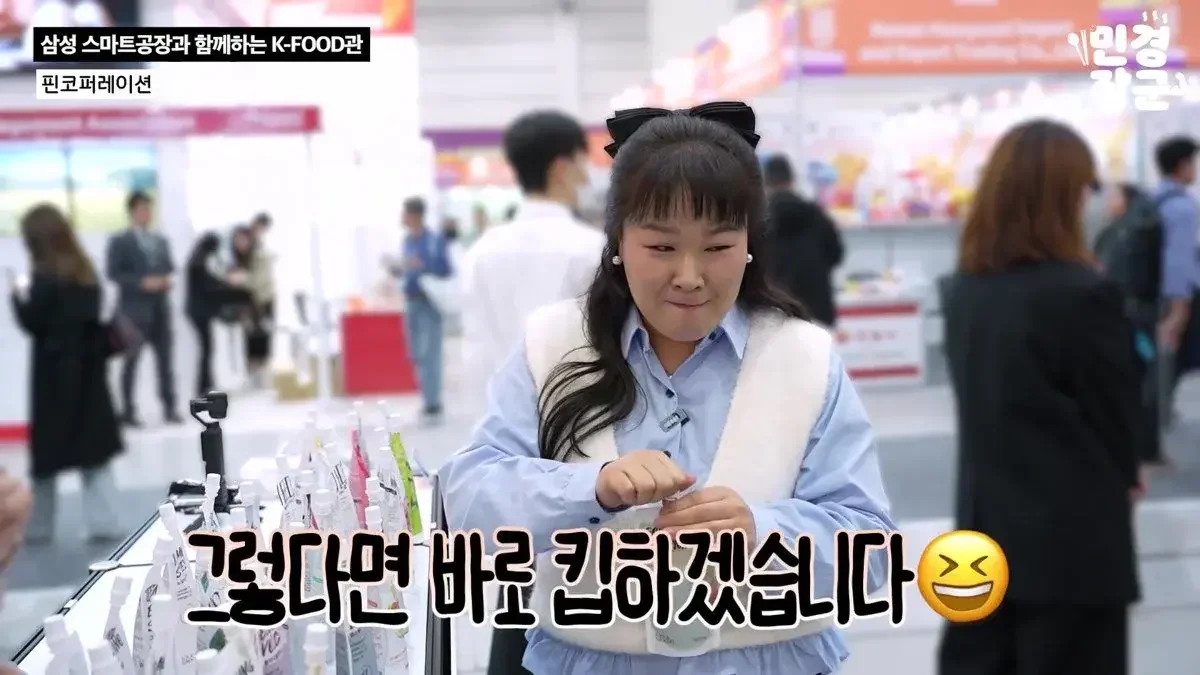
K-food manufacturers showcased how smart technology and Samsung Electronics smart factory support are being used to digitize traditional flavors and automate production at Food Week. These advancements allow companies, such as a 60-year-old buckwheat soba establishment in Jeonju, to maintain consistent quality and increase productivity through data-driven manufacturing.
Efforts by K-food companies to maintain consistent flavors by integrating advanced technology with traditional manufacturing methods were evident at Food Week. At the event, visited by YouTuber General Min-kyung, a diverse range of products was introduced, from 60-year-old traditional establishments to companies that have increased production efficiency through support from Samsung Electronics smart factories.
"Passing down delicious data"... Companies implementing traditional hand-made flavors through data
There was a notable movement among companies that previously adhered to traditional manufacturing methods to adopt smart technology to ensure flavor continuity. Mermil Jinmijip, which has operated buckwheat soba for 60 years in Jeonju, introduced Home Meal Replacement (HMR) products so that its original taste can be easily enjoyed at home. The products are characterized by maintaining the chewiness of the noodles while being manufactured without overly strong seasoning for easy consumption.
One Cheonggukjang manufacturer chose a smart factory approach to preserve the taste of traditional fermentation. To overcome the limitations of being unable to pass down traditional hand-made flavors exactly, they chose to accumulate "delicious data." By introducing smart technology into the production process, they are attempting to maintain consistent product quality by digitizing the flavors of skilled technicians.
A tofu manufacturer also utilized a method of accumulating data by automating the entire production process and installing devices to ensure that bittern is input in consistent amounts. They stated that this helps lower defect rates during the production process and maintain consistent product quality.
K-Food improves production efficiency and quality through Samsung Electronics smart factory support
At Food Week, numerous cases were identified of companies that automated production processes or increased efficiency through Samsung Electronics smart factory support. A company producing rice noodles and Tteokguk received support for four years from 2022 to 2025 to establish a production management system and proceed with process automation. In particular, they increased productivity by automating folding tasks, thereby securing inventory management capabilities to stably supply volumes to the market.
A rice cake manufacturer, designated as a specialty of Yongin, also developed rice agitators and rice grinders through support from Samsung Electronics. Through these mechanized processes, they are creating a pleasant environment where the elderly and people with disabilities can participate in work, while simultaneously accelerating the production of functional products, such as patented rice for diabetic patients.
From zero sugar to functional beverages... Diversified K-Food lineup
In response to consumer trends emphasizing health, zero sugar and functional products appeared in large numbers. A company selling marinated crab and marinated shrimp introduced products using zero sugar soy sauce for consumers looking to reduce sugar intake. Additionally, smoothies utilizing fiber-rich avocado and banana contain ingredients that may assist in sodium excretion.
In the traditional liquor sector, Cheongmyeongju, brewed using only rice, nuruk, and water without adding alcohol, spirits, or chemical additives, was introduced. This product is characterized by a clean sweetness without added sugar and lacks strong acidity or sweetness. Other products that drew consumer interest included Korea's first coin-shaped broth, 100% fruit chips dried at low temperatures, and kimchi utilizing highland cabbage from Gangwon Province.
Source: original video (YouTube)

0Comments
Comments are currently disabled.