
Kim Kang-woo and Huh Young-man reunite for Gangwon Province feast
Actor Kim Kang-woo reunited with cartoonist Huh Young-man after 18 years to experience traditional dishes from Gangwon Province, including Alaska pollock sikhye and monkfish noodles.
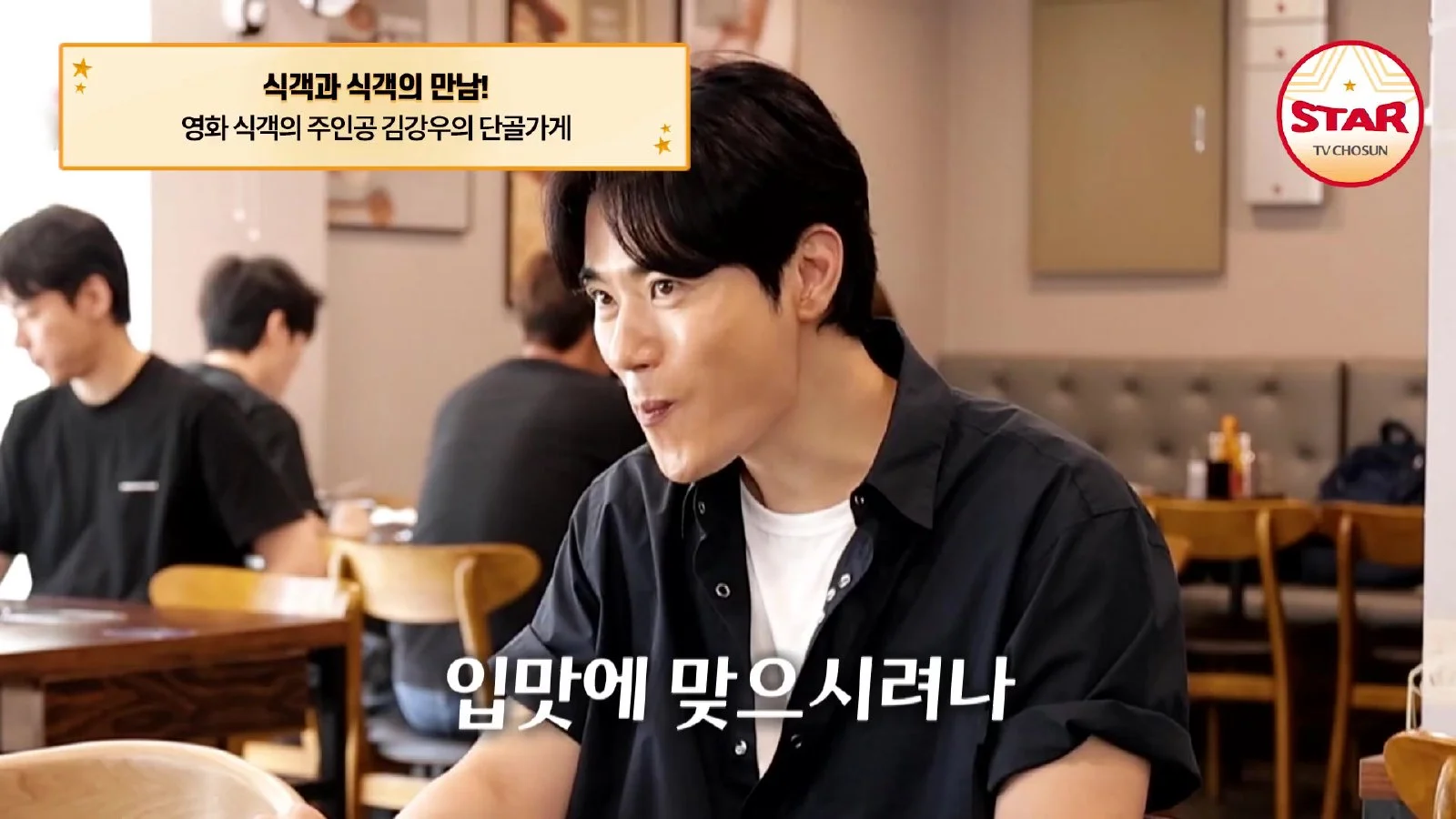
Actor Kim Kang-woo reunited with cartoonist Huh Young-man after 18 years on TV CHOSUN's 'Gourmet Huh Young-man's Travels in Korean Home Cooking' to enjoy regional dishes, including an Alaska pollock sikhye that took 20 years to develop.
Actor Kim Kang-woo reunited with cartoonist Huh Young-man after 18 years to share the flavors of Gangwon Province. This meeting, shared through TV CHOSUN's 'Gourmet Huh Young-man's Travels in Korean Home Cooking', was a moment where a connection formed during a past film shoot—where Huh Young-man made a special appearance—was reconnected through food.
Reunion after 18 years, a joyful meeting with a "feast"
Kim Kang-woo stated that he arranged the meeting not to promote a work, but because he wanted to see his teacher. The two expressed their joy as they recalled the time Huh Young-man made a special appearance on a film set in the past. Kim Kang-woo created a warm atmosphere by remarking, "It's a feast," while looking at the meal. The conversation continued with updates on Kim Kang-woo, who recently started YouTube, and Huh Young-man, who continues to show his unchanging character as a gourmet.
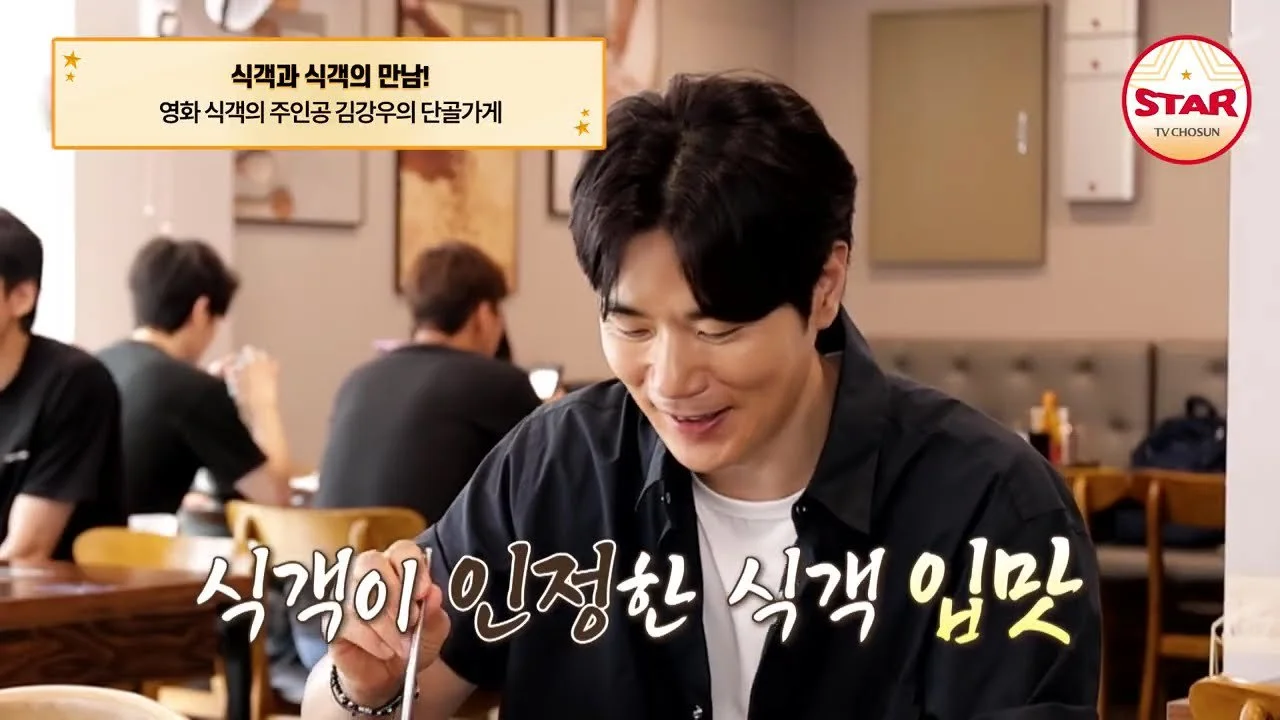
Alaska pollock sikhye and bossam: 20 years of devotion
The first menu of the meal was bossam served over a bed of chives. Made with pork belly, this bossam maintained a soft texture without becoming watery. In particular, the Alaska pollock sikhye provided was the highlight of the meal. It took 20 years to develop this method of making sikhye without rice grains, and it is characterized by using only crunchy autumn radishes to create a crisp texture.
Alaska pollock sikhye is a dish that carries on the traditions of Gangwon Province and the East Coast of Korea. The tradition of those who fled as refugees during the Korean War has been maintained and passed down to the sikhye of today. The process involves the meticulous effort of curing sterilized Alaska pollock meat in saltwater that has had its bitterness removed for three years. Unlike the traditional method of adding rice grains for long-term storage throughout the winter, this version was developed without rice grains so that it can be eaten immediately. Kim Kang-woo noted that this Alaska pollock sikhye pairs well with boiled pork.
The power of 100% buckwheat: Monkfish noodles completed by dongchimi broth
The following menu was monkfish noodles made with 100% buckwheat. These noodles, characterized by thin strands, featured a recipe that demonstrated an understanding of the properties of buckwheat. Buckwheat is an ingredient very sensitive to temperature; here, the buckwheat flour is always kept in an underground refrigerated storage to maintain a constant temperature. The secret to the noodles having elasticity despite being 100% buckwheat lay in this cold temperature management.
The makguksu, poured with cool dongchimi broth, created synergy with the buckwheat noodles. Kim Kang-woo described the flavor of the dongchimi broth and buckwheat noodles blending together as "a feeling of a synergy effect bursting in the mouth." The cold dongchimi broth made the buckwheat noodles even more firm, showing a harmony that awakens the palate tired from the heat.
Source: TVCHOSUN JOY (YouTube)



0Comments
Comments are currently disabled.