
"Gifted Classes Should Be Abolished"... Sharp Disputes Among Mothers Over Differing Educational Views
A video from the JTBC drama 'Green Mothers' Club' depicts the intense conflicts and clashing beliefs among mothers regarding child education methods and the role of public education. The drama also explores tensions between artistic inspiration and realistic attitudes, as well as suspicions within a community.
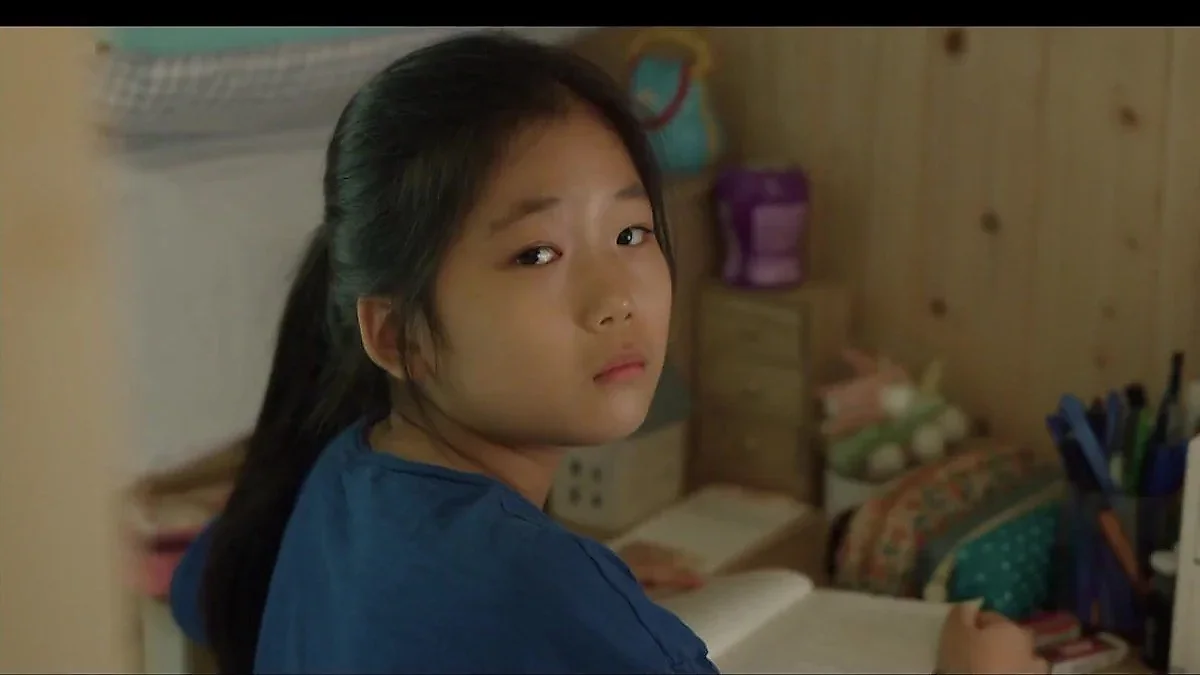
The depiction shows how different values held by mothers regarding education lead to sharp confrontations. In a video from the JTBC drama 'Green Mothers' Club', the collective conflicts and clashes of individual beliefs among mothers regarding child education methods and the role of public education are captured.
"Do Not Divide Children into Levels" vs "Gifted Education is a National Task"
One mother calls for changes in the educational field, asserting the equal rights of children. She expresses strong rejection toward the practice of dividing children into 'levels' based on their proficiency, emphasizing that all children are equal and precious beings. Based on this belief, she advocates for the abolition of gifted classes that encourage private education and early education, and proposes collective action by awakened mothers.
On the other hand, voices opposing this are also formidable. The logic is that in a national situation where human resources are key, nurturing excellent gifted individuals is also a task for the nation. In particular, mentioning that the Ministry of Education has been enthusiastic about gifted education since 20 years ago, they take the position that the system built through gifted education is essential for children's growth. Those concerned about the disadvantages that the abolition of gifted classes would bring raise their voices in opposition, mentioning how children will fill their personal statements or portfolios if gifted classes are abolished, and even the impact on the use of external entrance exam scores or house prices. In this process, differences in the interpretation of educational policies go beyond simple exchanges of opinion and spread into accusations against one another.
The Gap Between the Responsibility of Public Education and the Role of Mothers
Tension between teachers and parents is also captured in the school field. One parent defines the situation where a teacher demands home learning as 'dereliction of duty' and 'an action that encourages unfair education.' She argues that public education institutions, which are operated by taxes, should take full responsibility for children's elementary education, and shows a willingness to respond actively through the Office of Education website and national petitions. In particular, she also expresses lamentation over the reality where teachers cannot fulfill their duties as mothers and must live as both teachers and managers.
These conflicts suggest that the space of school has become more than just a place to transmit knowledge, but a battlefield where the social desires and educational philosophies of parents collide. The argument that parents should make a little more effort for the child's growth and the debate over the scope of a teacher's role reveal the complex interests in the educational field.
The Collision Between the Flexibility of an Artist Wife and Rigid Thinking
Beyond educational issues, the differences in relationships and values between characters appear in other forms. In the part dealing with the relationship between an artist and their spouse, 'artistic inspiration' and 'realistic attitudes' collide. One character mentions the artist's instinct and intense attitude toward life, arguing that an artist must have flexible thinking to provide inspiration.
In response, the other party points out that the thinking is excessively rigid as the wife of an artist, revealing the gap between artistic value and realistic attitude. In particular, the conversation between a character who claims to be an analyst who fully understands the husband's world of work and a character who emphasizes the artist's flexibility shows how different the lifestyles and value systems they aim for are. This goes beyond simple differences in individual personality and leads to a collision between artistic inspiration and the realistic attitude that supports it.
Conflicts Within the Community Where Anxiety and Suspicion Intersect
The conflicts among characters in the drama extend beyond education to everyday suspicion and anxiety. A scene where a character discovers broken pieces of a cup and uses them as grounds to suspect a specific household and guess the culprit heightens the tension within the community. Especially when coupled with the background of a remarried family, anxiety regarding new family members acts as a basis for suspicion. In the case of remarried families, anxiety arising from relationships between family members, such as a married woman who remarried a film director, also serves as the background for suspicion.
Such suspicions sometimes lead to groundless fake news or low-level accusations, and characters show cynical reactions, saying they must give up expectations for humans. The pretext of acting for the community mixes with individual revenge or selfishness, deepening the opacity of the relationships the characters hold and the depth of the conflict.
Source: DRAMA Voyage (YouTube)
0Comments
Comments are currently disabled.