
Right-wing shift in Colombia creates defense and cultural opportunities for South Korea
The shift from a left-wing "Pink Tide" to a right-wing "Blue Tide" in South America, marked by the rise of President Espriella in Colombia, presents new opportunities and challenges for economic and security cooperation with South Korea.
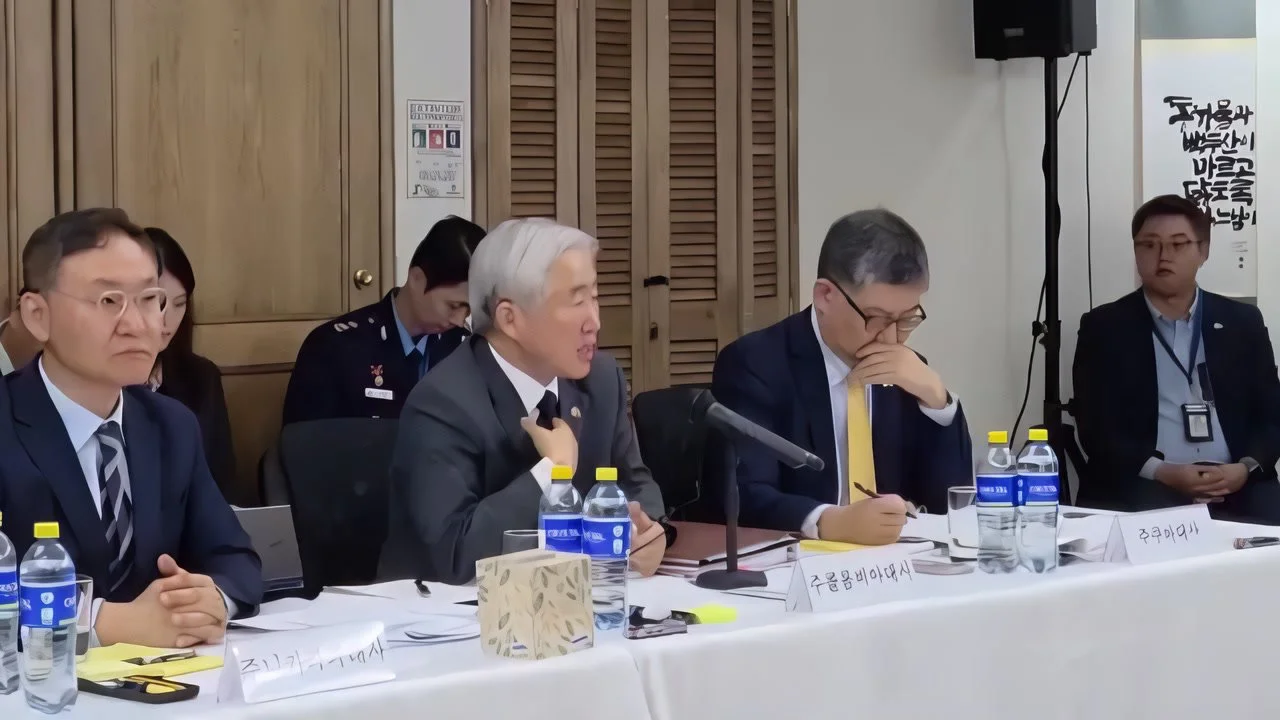
The inauguration of President Espriella's administration in Colombia offers South Korea new prospects for defense and cultural cooperation as the region shifts toward right-wing leadership. While trade friction could arise as the bilateral FTA reaches its 10th anniversary, the new government's focus on defense modernization and high K-culture recognition may drive economic benefits.
As the political landscape of South America shifts from the left-wing "Pink Tide" to a right-wing "Blue Tide," the model for economic and security cooperation between South Korea and Colombia is entering a new phase. Analysis suggests that the inauguration of a right-wing government in Colombia will serve as both a new opportunity and a challenge for bilateral relations.
Political shifts in South America and potential trade conflicts with Colombia
During a National Audit of the Foreign Affairs and Unification Committee, Representative Park Seong-jun noted that the political trend in South American nations is changing toward the rise of right-wing forces. Unlike the previous wave of leftist leadership, a trend led by right-wing powers is currently emerging. He pointed out that the presidential election in Brazil will serve as an indicator for this overall South American trend.
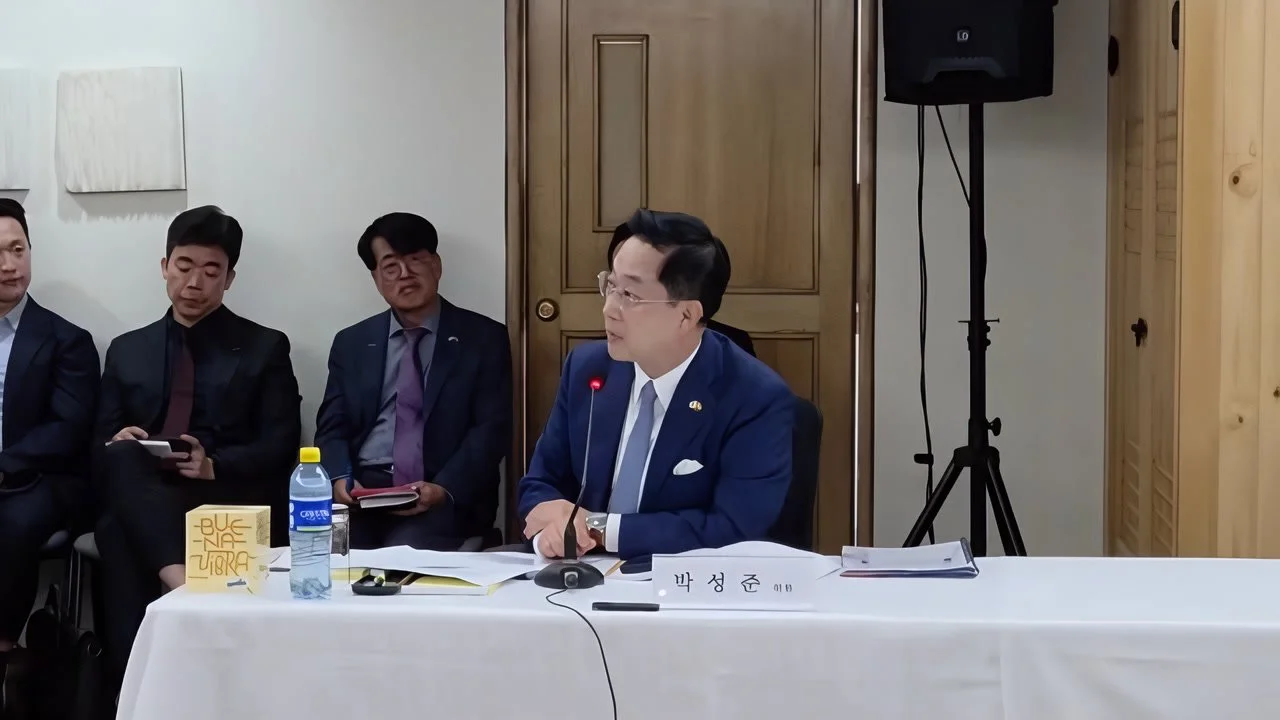
Economic issues such as inflation, foreign relations (specifically with the United States and China), and public safety are cited as the primary drivers behind these political changes. Regarding Colombia, Representative Park noted the rise of President Espriella's administration, which aims to resolve fiscal deficit issues and revitalize the economy. The core of this administration is President Espriella, a businessman with a legal background, who is pursuing economic stability and the strengthening of domestic and foreign diplomacy.
However, as the FTA between South Korea and Colombia marks its 10th anniversary, the possibility of trade conflicts has been raised. A variable is the potential for the Colombian side to heavily address the trade deficit with South Korea. Observations suggest that if the new government demands trade improvements to achieve economic stabilization, trade friction cannot be ruled out.
Expanding economic and cultural cooperation based on K-culture recognition
Despite political volatility, Colombia's high recognition of South Korea serves as a powerful driver for cooperation. Representative Park evaluated that perceptions of South Korea within the Colombian government are very positive, opening a "gate" to expand cooperation across various fields, including economy, politics, and culture.
In particular, the analysis suggests that cultural influence, represented by K-pop and K-culture, can be linked to economic advantages. The enthusiastic response to Korean culture, such as tens of thousands of fans gathering for recent performances in Colombia, is interpreted as a favorable condition that can attract economic benefits beyond a simple cultural phenomenon. Representative Park emphasized that these cultural assets should be utilized to reduce trade friction and secure Colombian resources, leading to the creation of practical national interests.
Defense modernization projects and opportunities for South Korean weapon systems
In the security sector, prospects have emerged that Colombia's defense modernization projects could become a new market for South Korean defense companies. This is because President Espriella has declared a hardline response against armed groups and emphasized defense modernization and demand for defense products. This aligns with South Korea's past policies of strengthening national defense.
Lieutenant Colonel Jang Chi-won of the Ministry of National Defense of South Korea, speaking at the scene, pointed out that the new Colombian government is strengthening relations with the United States and Israel and is operating their weapon systems in high proportions. While it may currently be difficult for the South Korean defense industry to penetrate that niche, the analysis suggests that past success stories and historical ties could serve as powerful weapons.
Indeed, the 2012 case where LG S1 exported 'Haeseong' to the Colombian Navy was used as an indicator proving the high local trust in South Korean defense products. Representative Park predicted that if Colombia utilizes the deep bond it shares with South Korea as a participant in the war, it will be able to seize sufficient opportunities in the massive market of defense modernization.
Source: original video (YouTube)
0Comments
Comments are currently disabled.