
Nazi Germany used confiscated Jewish assets to fund public welfare
Analysis suggests Nazi Germany maintained domestic stability by redistributing confiscated Jewish wealth to the public through welfare benefits, effectively making citizens economic accomplices to the regime.
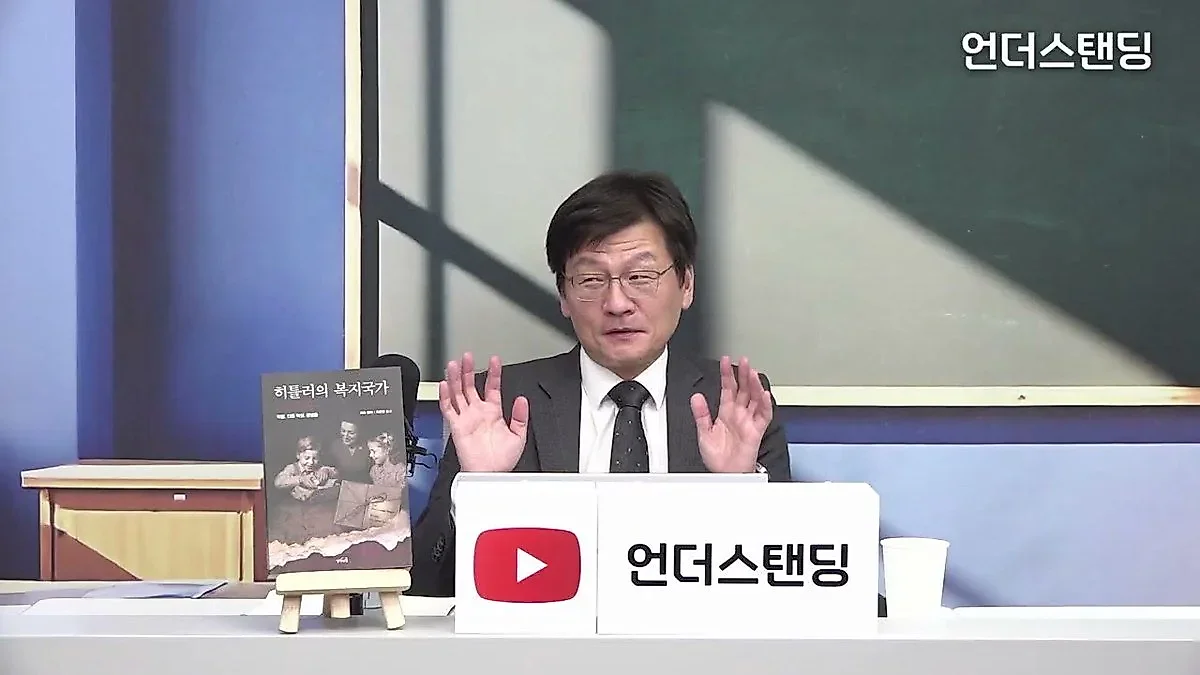
The Nazi regime maintained domestic support by redistributing confiscated Jewish assets and wealth from high-income earners to the general public. By providing benefits such as tax reductions and marriage loans, the regime turned citizens into accomplices who benefited from the war's financial structure.
Analysis suggests that the Nazi Germany regime was not maintained solely through fear and coercion, but operated on the basis of tacit consent and practical economic benefits for the majority of its citizens. By confiscating the wealth of specific classes to fund war costs and redistributing it to the general public, the regime effectively bound the citizens to its position as "accomplices."
According to an explanation by Dr. Choi Jun-yeong of Yulchon provided by the channel Understanding: All the Knowledge in the World, Goetz Ali's book "Hitler's Welfare State" offers an economic answer to how Nazi Germany was able to maintain its system without internal resistance until just before its defeat. The author analyzes that the Nazi regime provided practical benefits to the public, such as reducing taxes for workers, supporting marriage loans, and providing welfare benefits to soldiers' families. Specific examples of benefits provided by Nazi Germany include the "Parkcance" system, which allowed workers to take long-term vacations, as well as improvements to workplace environments and the construction of new roads.
Nazi finances hit limits of "robbing Peter to pay Paul," seeking breakthrough through war
In its early stages, Nazi Germany's financial operations were conducted by placing the burden on large corporations and high-income earners. Dr. Choi explained that instead of universal tax increases, the Nazi regime targeted wealthy individuals and companies to cover war costs. The working class, which lacked assets, experienced an increase in income through tax exemptions or reductions, leading to support for the regime. At the time, the Nazis also gathered funds by forcing the wealthy and real estate owners to prepay ten years' worth of taxes to prepare for inflation, thereby suppressing unearned income.
However, this financial structure was not sustainable. Around 1937, as the internal method of "robbing Peter to pay Paul" reached its limit, the Nazi regime had to devise new ways to secure resources. Dr. Choi noted that while financial officials at the time warned of a fiscal crisis by proposing tax increases or spending cuts, Hitler rejected these to maintain his power. Instead of modifying domestic policy to solve the fiscal crisis, Hitler chose to maintain power by invading other countries to seize their resources and distribute them to his citizens. The author's analysis concludes that World War II had an aspect of being a war projected for the financial purpose of covering the welfare costs of the German people.
Securing national consent through confiscation of Jewish assets and 'redistribution'
One of the core strategies of the Nazis to prepare for war costs was the systematic confiscation of Jewish assets. Dr. Choi explained that the process of confiscating government bonds and property held by Jews and returning them to the national treasury was used as welfare resources for the German nation. The video mentions a structure where, even if Jews held issued government bonds, those bonds would legally revert to the national treasury if they did not appear to collect interest. As the Jewish people disappeared, a structure was formed where even the welfare benefits originally allocated to them were given more heavily to the German people.
The confiscated property was redistributed to the German people in forms such as auctions or rationing. In this process, the general public gained wealth and experiences they had not previously enjoyed through the war, which instilled a conviction that the Nazi system was working effectively for their own interests. In occupied territories, methods such as adjusting exchange rates and utilizing credit certificates were also employed to collect goods and send them to families in the home country. The author's core argument is that because many citizens gained from the war, they stood in the position of "accomplices" who wished to maintain the system rather than resist it.
Connection between post-war evasion of responsibility and European political instability
Nazi Germany strengthened its base of support for the regime by maintaining the welfare and social benefits of workers even during the war. Dr. Choi analyzed that the reason Germany was able to continue organized resistance without internal collapse or large-scale rebellion until just before its defeat in World War II also lies in this economic cohesion. The background of why there were almost no large-scale surrenders or rebellions within Germany even just before the Soviet army pushed in around 1943–1944 was rooted in these economic interests.
However, a different perspective is presented regarding the historical flow after the end of the war. Dr. Choi pointed out that there was an aspect where all responsibility for the war was concentrated and shifted onto the single individual, Hitler. This resulted in diluting the responsibility of the many who sympathized with the regime and enjoyed the benefits at the time. The background of why Germany was able to rapidly recover its economy by achieving the "Miracle on the Rhine" just a few years after its defeat is also connected to this context. This imbalance of historical responsibility is in line with the political instability in Europe today and poses questions about how society should handle profits obtained in an unjust manner.
Source: original video (YouTube)



0Comments
Comments are currently disabled.