
Documentary 'How Should We Have Done It?' Surpasses 40,000 Admissions in Just 10 Days
The documentary 'How Should We Have Done It?', which captures 25 years in the lives of a family living with schizophrenia, is becoming a hit, surpassing 40…
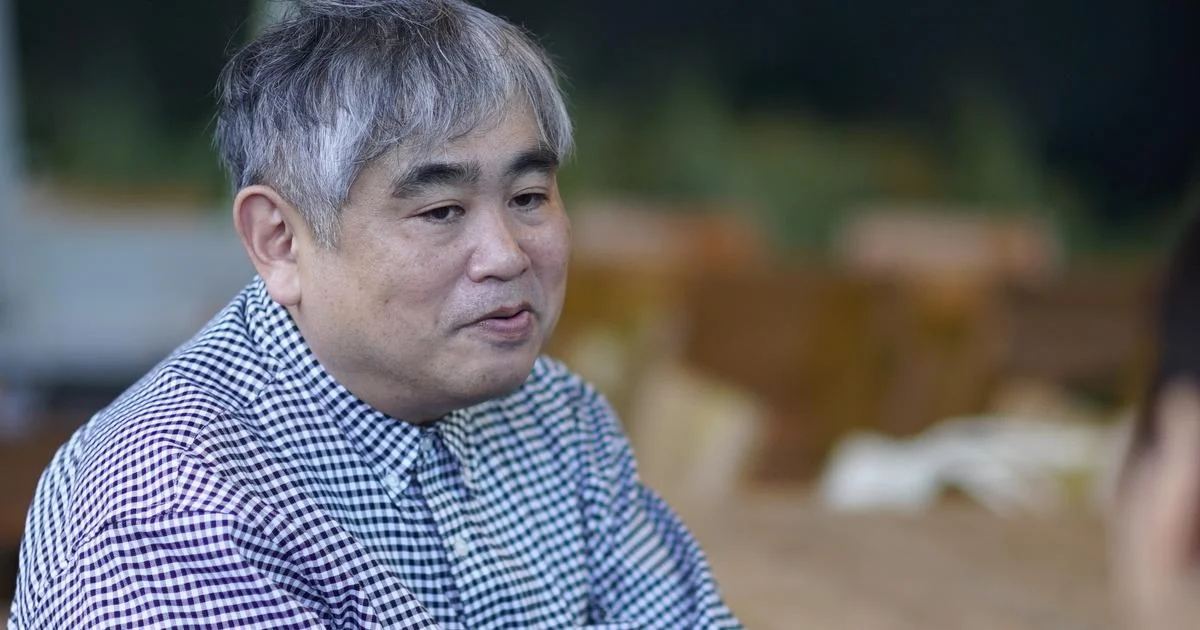
The documentary film 'How Should We Have Done It?', which expanded from just four theaters in Japan to over 100, is seeing an unusual box office success in South Korea. Since its domestic release on July 29, it surpassed a cumulative audience of 41,200 within just 10 days as of the 7th. This is an exceptional figure considering the current state of the Korean theater market, where it is difficult for independent films to even draw 10,000 viewers. More than 10,000 people flocked to the film during the pre-release reservation stage, and it surpassed 20,000 viewers in five days and 30,000 in six days. It is currently screening primarily in about 60 art house theaters nationwide.
Locks on the Front Door: A 25-Year Record
The film captures 25 years of the lives of a sister exhibiting symptoms of schizophrenia and the parents who cared for her. The sister, whose symptoms first appeared in 1983, only began hospital treatment in 2008 and passed away from cancer in 2021. Her parents, both doctors, chose to lock the front door rather than institutionalize her. The director, Tomoaki Fujino, the younger brother, captured the family's passing time behind those closed doors on camera. The work was not originally intended to be a film. Rather than focusing on the illness of schizophrenia itself, the director released this record in the hope that more would not be lost due to the social prejudice and ignorance surrounding the condition.
The audience is diverse. While it was initially expected that art film enthusiasts or mental health professionals would be the primary viewers, there is a noticeable presence of people who have had similar experiences within their families and young women in their 20s and 30s. Director Juhee of Et9 Film, the importer and distributor, stated that she decided to introduce the work to Korea after seeing the yellow poster of a Japanese mini-theater.
The Parents' Choice and the Context of the Era
Following the film's release, questions arose among Japanese and Korean audiences as to why the parents did not opt for involuntary hospitalization during the early stages of the onset. Some voices criticized the parents' decision to keep their daughter confined at home. However, Director Tomoaki Fujino agonized over seeking the conclusion solely from the parents' perspective. The level of psychiatry and social perception in the 1980s was different from today. At that time, involuntary hospitalization carried a high risk of human rights violations or worsening symptoms, and some research even suggested that patients living at home had better prognoses. An 80-year-old psychiatrist the director met said after watching the film, "The parents' judgment was correct. At that time, they had no other choice."
The director experienced extreme stress during the process of revealing the intimate stories of his family. He confessed that after the decision to release the film was made, he suffered from insomnia every night and was so tense that he bit his tongue hard enough to cause wounds in his mouth. While he feels great remorse toward his late sister, the desire to help other families in similar situations was the driving force that led him to complete the film. The director noted that his parents' efforts to personally help his sister recover and their choice to let her stay at home while treating her with human dignity were likely the best possible options at the time.
0Comments
Comments are currently disabled.