
From Joseon's 'Soliciting Opinions' to the National Tax Service's 'Citizen Participation Group'... Voices from the Field Shape Policy
The 'Soliciting Opinions' system of the Joseon Dynasty, where kings sought advice from officials and citizens to solve national disasters or livelihood issues, shares a common thread with modern tax administration's communication methods. Both eras emphasize finding policy loopholes and seeking improvements through voices from the field.
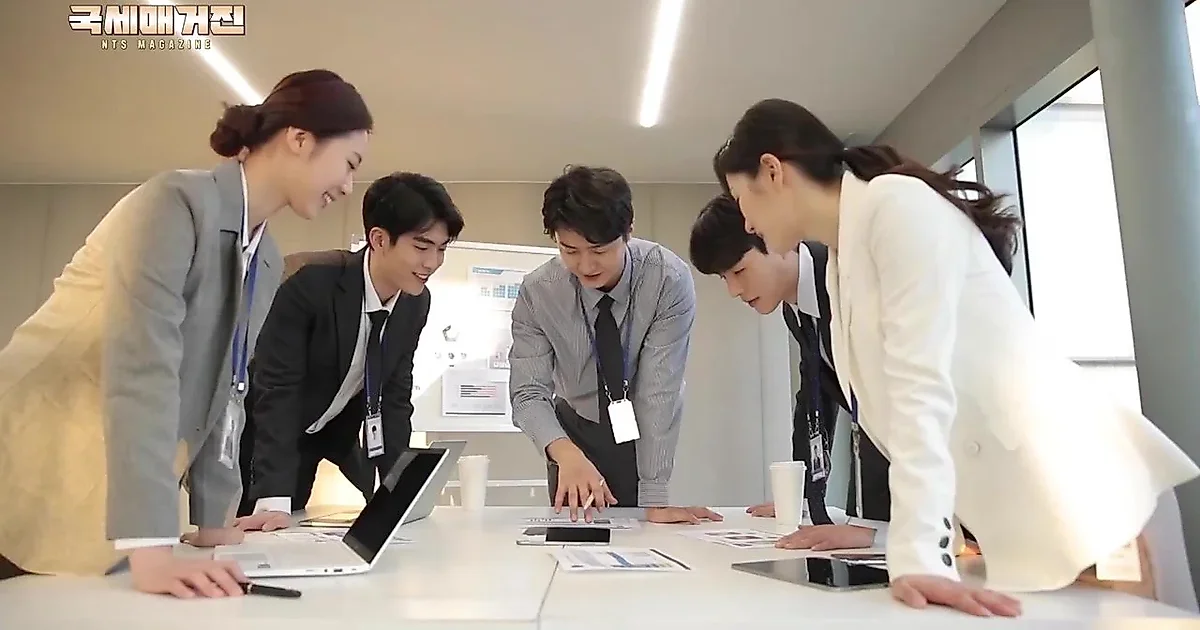
The 'Soliciting Opinions' system of the Joseon Dynasty, in which the king sought opinions from officials and the people to resolve national disasters or livelihood issues, shares a common thread with the communication methods of modern tax administration. A commonality that pierces through the eras is found in the fact that they seek to find loopholes in policies and search for improvement measures through voices from the field.
Joseon's 'Soliciting Opinions' was a channel for solving livelihood issues
According to a National Tax Service video, during the Joseon Dynasty, when national disasters such as droughts or floods occurred, the king operated the 'Soliciting Opinions' system to seek opinions from various people regarding the problems and solutions. Soliciting Opinions allowed not only high-ranking officials but also people without official positions to participate, and through this, issues directly related to the lives of the people, such as taxation and corvée labor, were brought to the surface.
As an actual case, during the era of King Sejo, the problem that the burden of corvée labor was uneven was raised through Soliciting Opinions, and after confirming this, the king instructed the governors of each region to correct it. Although not all opinions were reflected in policy, it holds significant meaning in that it was utilized as a channel for the king to directly listen to voices from the field and instruct the correction of livelihood issues such as taxes or corvée labor.
National Tax Service implements 'field administration' through public idea contests and participation groups
The modern National Tax Service is also operating various communication channels to reflect these 'voices from the field' in policy. To improve specific inconveniences felt by taxpayers while using tax services, the National Tax Service utilizes public idea contests and citizen participation groups.
The video explains that detailed inconveniences that only administrative users can discover, such as the complexity of tax filing procedures or the difficulty of terminology in notices, become the core driving force for policy improvement. In particular, inconveniences experienced repeatedly by many people are considered an important signal that administrative services must be re-examined.
In 2020, the National Tax Service held an idea contest to improve Hometax and civil service, and also involved the 'National Tax Administration Citizen Participation Group,' consisting of 78 citizens from various occupations, in redesigning taxpayer service design. These activities continue this year, as the Citizen Participation Group recruited last March is participating in national tax administration policy surveys and best practice evaluations to create taxpayer-centered administration.
A National Tax Service official requested active suggestions from the public, stating, "An idea that starts from a small inconvenience becomes the starting point for creating more convenient tax services."



0Comments
Comments are currently disabled.