
AI reverse engineering agents could automate plagiarism and disrupt software revenue
Choi Ji-ung, CEO of YouCanLabs, warns that AI reverse engineering agents capable of replicating software without source code could dismantle existing licensing models and copyright systems.
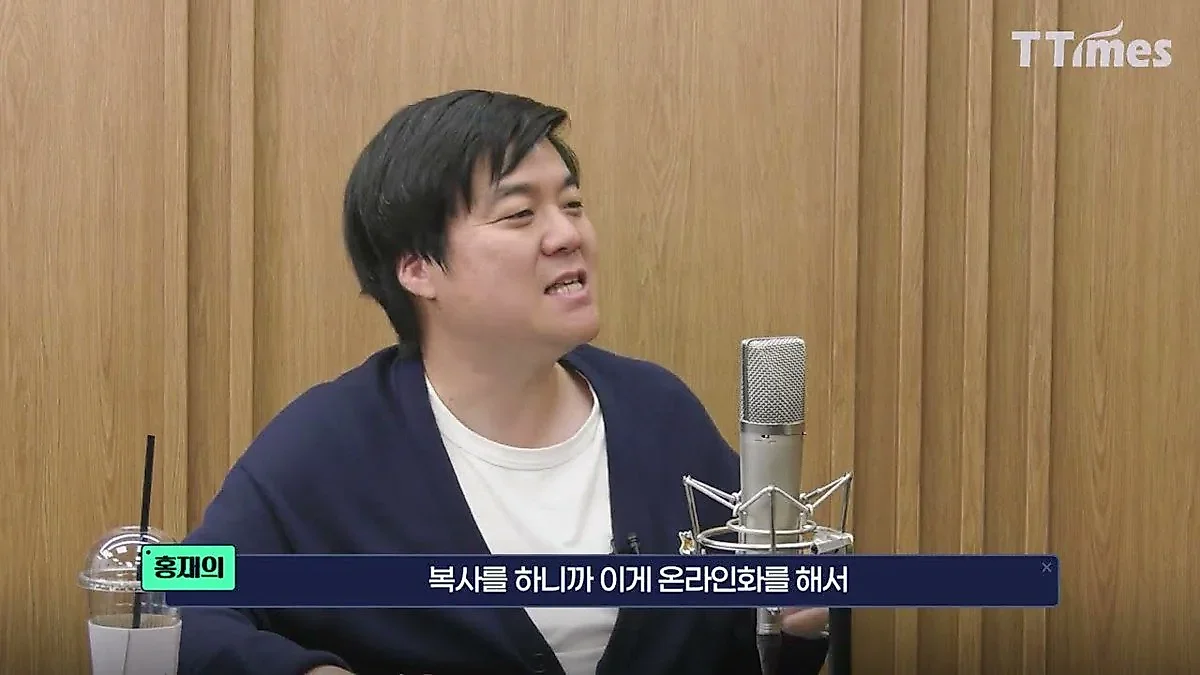
The emergence of AI reverse engineering agents capable of replicating software without source code could collapse existing licensing models and threaten major companies like Adobe. During a T Times TV conversation, Choi Ji-ung warned that these tools can now produce results nearly identical to originals in just a few days.
An era is approaching where artificial intelligence (AI) can independently analyze the operating principles of completed programs and replicate them identically, even without the original blueprints or source code. This is being warned to be a "disruptive innovation" that goes beyond mere technical progress, potentially fundamentally shaking the revenue models and copyright systems of existing software companies.
In a conversation hosted by T Times TV with Choi Ji-ung, CEO of YouCanLabs, the impact of "reverse engineering agents"—a hot topic among developers—and the future of the software industry they will transform were discussed. Defining innovation as something that emerges by causing the extinction of existing things, Choi characterized the changes brought by reverse engineering agents as the "automation of plagiarism."
"Making identical copies without knowing the code"... AI replicating everything from Minesweeper to Photoshop
Explaining the capabilities of the recently trending "reverse engineering agents," Choi Ji-ung noted that reverse engineering technology, which was previously used only for educational purposes, has transformed into a powerful replication tool upon meeting AI. While humans previously had to manually dismantle and study program structures to learn, AI agents now analyze execution results and behaviors to understand the underlying principles themselves. "AI has reached a stage where it realizes the method on its own and then judges, 'I can make it this way,'" Choi explained.
In fact, a recent case presented by the developer brand Thomas shocked the industry. Technology was revealed that combines Claude with a reverse engineering agent to precisely replicate existing programs without source code. This technology received an explosive response, gaining 40,000 "likes" from developers within just eight days of its release. Choi explained, "There have been cases where a program identical to Photoshop was created and released without knowing the code, showing that AI's analytical and reproductive power has crossed a threshold."
Such technology appears in even more extreme forms in the gaming industry. Choi mentioned attempts such as "Claude of Duty," which similarly replicates the famous game Call of Duty, or combining the worldview of the high-difficulty game Elden Ring with Minecraft. This suggests that AI has perfectly grasped the core rules and mechanisms of individual programs without the blueprints, planning documents, or source code. "The fact that multiple games can be combined means that the analysis of each individual game is already complete," Choi added.
Blurring copyright boundaries... A precarious tightrope walk between "inspiration" and "plagiarism"
As the reverse engineering capabilities of AI become more sophisticated, legal and ethical dilemmas are emerging regarding where "creative inspiration" ends and "copyright infringement" begins. Choi explained this by citing the music industry. While it is customary to create new songs inspired by existing artists, the difference is that AI can skip the human "inspiration" process and replicate the entire output. "No song is actually 100% original, and it is common to create them by taking inspiration from existing songs, but AI makes it possible to simply steal them," he pointed out.
Particularly for blockbuster games, which involve hundreds of personnel and tens of billions of won in costs, the rights of existing developers could be neutralized if AI analyzes them in a short period to extract only the core elements. "In the past, it was at a level of creating similar apps by borrowing some of the software's UI or ideas, but now AI produces results nearly identical to the original in just a few days," Choi noted, adding, "The problem is that this process has become too easy." In fact, some games are being taken down immediately after release due to copyright issues, and Choi expressed concern, stating, "It is better that they are taken down after receiving a warning."
Survival crisis for software companies... "Licensing models may collapse"
The most serious problem is that the "license" system, which is the revenue model for software companies, could collapse. If AI reverse engineers software developed by companies at great expense and replicates it to a level where anyone can use it for free, the existing paid software market will lose its foundation for existence. "If software companies face this kind of technical disruption, it will be hard to endure," Choi predicted. "If a culture spreads where users use or share results replicated by AI secretly instead of paying license fees, even giant software companies like Adobe could be threatened."
This trend extends to the concept of a "Software Factory." An era is opening where AI agents produce programs much like a factory stamps out goods. "As AI enters a stage where it can replace human professional judgment and analytical work, companies will face the fundamental question of whether they must continue to employ human experts," Choi said. He warned that if AI reverse engineers the work logic of a specific expert and provides it more cheaply, the reason for companies to maintain existing personnel may disappear.
Source: original video (YouTube)


0Comments
Comments are currently disabled.