
Andong Soju's Third Brew Turns Rice Wine Into Spirit, Using a Method Rare in Soju
Park Jae-seo, Republic of Korea Food Master No. 6, makes Andong Soju with a three-stage fermentation known as the Samyang method. The craft traces back 500 years to his ancestor Park Jin.
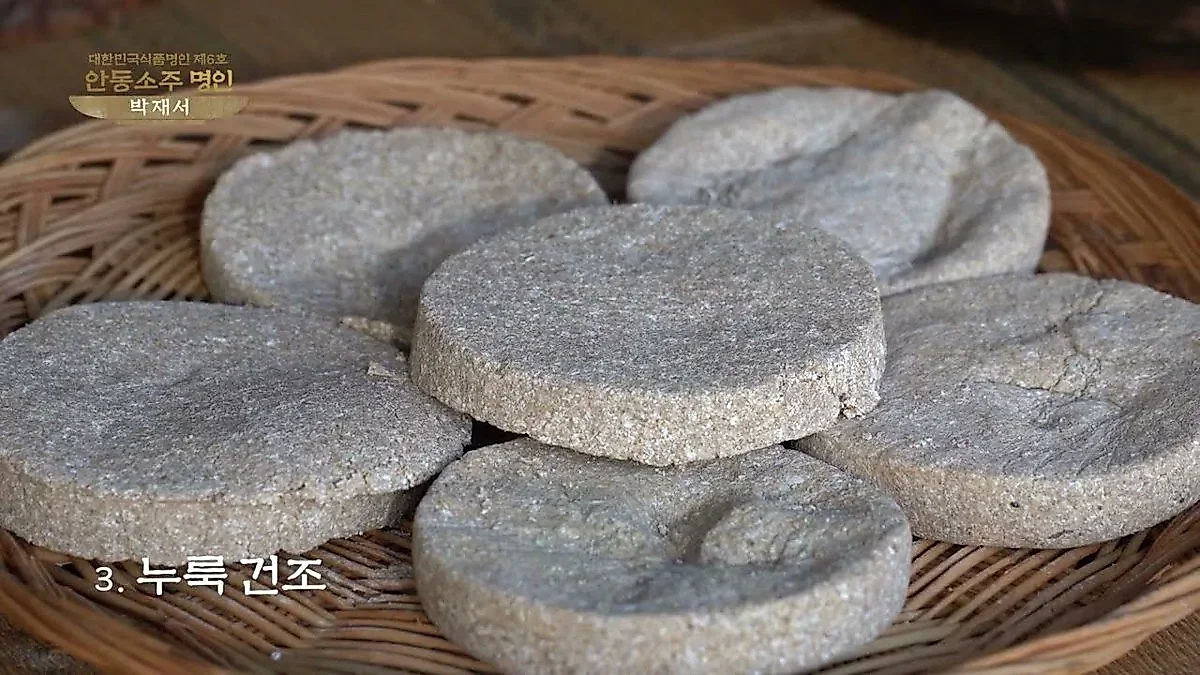
Andong Soju only becomes soju at a third brewing stage, a technique that is especially rare in soju making, and the finished spirit comes out as clear as morning dew. Park Jae-seo, designated Republic of Korea Food Master No. 6, keeps to that method as part of a tradition that began 500 years ago in a family in Andong.
Why three stages
Park sticks to the "Samyang method" to raise quality, strengthen aroma and stop stray microbes from multiplying and spoiling the drink. The method adds ingredients to the initial fermented mash twice more. It is mainly used for premium traditional liquors.
The first fermentation yields a makgeolli-style drink. A second fermentation turns it into jangju, a clear rice wine. Adding rice once more in a third stage finally produces soju. The initial and second-stage ferments act as seeds for cultivating yeast, while the last addition of ingredients builds the body of the drink, adding alcohol and depth of flavor. Park also gives the reason for holding to the method as improving quality, enhancing aroma and suppressing unwanted bacteria so the liquor does not go off.
From nuruk to the cooked rice
The flavor of Andong Soju starts with making nuruk, the fermentation starter. Park coarsely grinds soaked wheat in a millstone, because air must flow freely between the particles for microbes to grow and for fermentation to go smoothly. Water must be kept under 20 percent of the wheat's volume. Too much and the dough turns mushy and hard to shape, and the nuruk risks rotting.
The nuruk is pressed into molds and stored for about two weeks at a steady 30 degrees. Its well-matured powder is then mixed evenly into firmly steamed rice, so the enzymes that aid fermentation spread through all of it. Park names a balanced ratio of firmly steamed rice, nuruk and water as the key to the liquor's taste, and the distinctive flavor of Andong Soju comes from that balance.
Cauldron, dough seal and a clear spirit
Fully fermented liquor goes into an iron cauldron connected to a distilling apparatus. The gap between the cauldron and the still is carefully sealed with wheat dough so steam cannot escape.
Three generations and 500 years
The tradition continues through three generations: the master, his son and his grandson. Park has devoted himself to making Andong Soju since his youth. In the video he voiced pride, saying that, regardless of any other liquor, "our Andong Soju is the best in Korea," and he spoke of a family history of 500 years of brewing know-how that began with his ancestor Park Jin.
The tradition goes beyond simple liquor making and, through the master's dedication, carries the history and culture of Andong. Park describes Andong as the center of Confucian culture and a place where the roots of the Korean spirit live and breathe, and he said he intends to carry the tradition into the future.
Source: original video (YouTube)
0Comments
Comments are currently disabled.