
Solsongju Master Park Heung-seon Has Only About Two Weeks a Year to Pick the Pine Shoots for His 500-Year-Old Brew
Park Heung-seon, Republic of Korea Food Master No. 27, brews the seasonal liquor Solsongju at Nuljjae Historic House in Gaepyeong Village, using pine shoots available for only about two weeks each spring. The tradition has continued for more than 500 years, according to a record from the Korea Agro-Fisheries & Food Trade Corporation.
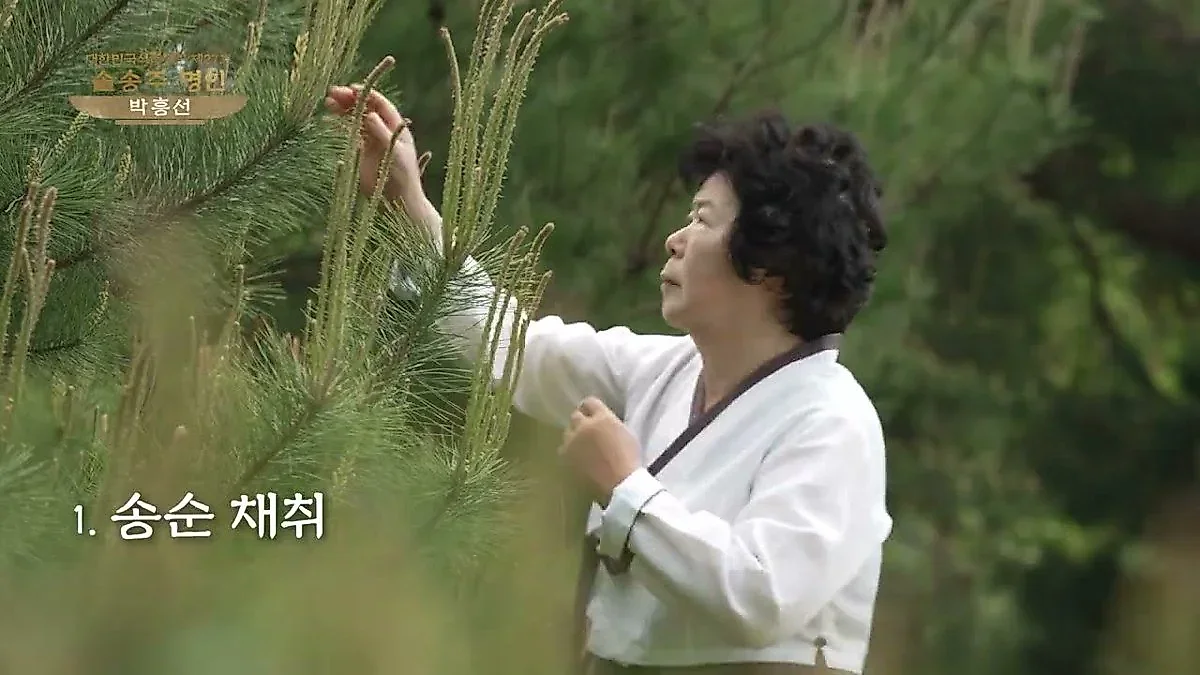
The pine shoots that flavor Solsongju appear for only about two weeks or so a year, according to Park Heung-seon, so his work becomes busy every spring to avoid missing that window. Park, Republic of Korea Food Master No. 27, makes the traditional liquor, which has been handed down for more than 500 years.
A house of 500 years in Gaepyeong Village
In Gaepyeong Village in Hamyang County, South Gyeongsang Province, Nuljjae Historic House stands on a level stretch of road between waterways that flow toward the Namgang River. The house has kept 500 years of history, and a legacy carrying the spirit and way of life of the Hadong Jeong clan runs through it. The record, relayed by the Korea Agro-Fisheries & Food Trade Corporation, follows Park's work. Today, the master's jars, holding the green energy of Jirisan Mountain, are said to go on quietly breathing, carrying the tradition forward.
Two brews in one: the double-fermentation method
Brewing begins with cooking glutinous rice porridge. The rice is washed, soaked and ground, boiled into porridge, cooled and mixed with nuruk, the fermentation starter, to make the base brew. Solsongju is made by the "iyangju" method, in which more liquor is brewed on top of that base. A stable base brew gives fermentation strength and deepens the liquor, according to the account.
Once the base brew is ready, a second mash is made by adding the pine shoots, steamed beforehand, and steamed rice. The shoots, rice and base brew must be mixed carefully by hand so that every ingredient blends evenly. Aging varies with the season: about three weeks in summer, and 45 to 50 days in winter, when the liquor matures slowly and its flavor is finished.
When fermentation ends, a yongsu, a strainer basket, is pushed into the vat to draw off the clear liquor. The fermented liquor can also be distilled into soju, or made as honghyangju, which combines fermentation and distillation. "Drinking a lot becomes poison, but drinking in moderation becomes medicine," Park said, adding, "I hope people can enjoy good liquor and feel good."
Shoots, steaming and a dense nuruk
Solsongju is originally a seasonal liquor. It is brewed between late April and mid-May, when the aroma of pine needles is at its clearest. The shoots determine the liquor's fragrance, and preparing them matters as much as picking them. Young shoots, called moyeop, about 10 to 15 centimeters long are used to produce a subtle rather than strong aroma. After washing in clean water, they are always steamed once, to reduce the astringency of the tannins that remain in them and soften the taste. Coming out of the steam, the shoots take on a yellowish tint.
Making the nuruk, the base of the liquor, is also exacting. Finely washed wheat bran is kneaded with water, then pressed firmly into a fermentation mold to raise its density. Moisture inside has to be properly controlled so that the fermentation environment stays stable. The nuruk made this way, with human warmth and time added, becomes the foundation of the liquor.
Source: original video (YouTube)


0Comments
Comments are currently disabled.