
Increasing nurse proportion in care facilities cuts medical costs by 7.7%
Increasing the proportion of skilled nursing staff in elderly care facilities significantly reduces health insurance expenditures for residents, according to a KDI report.
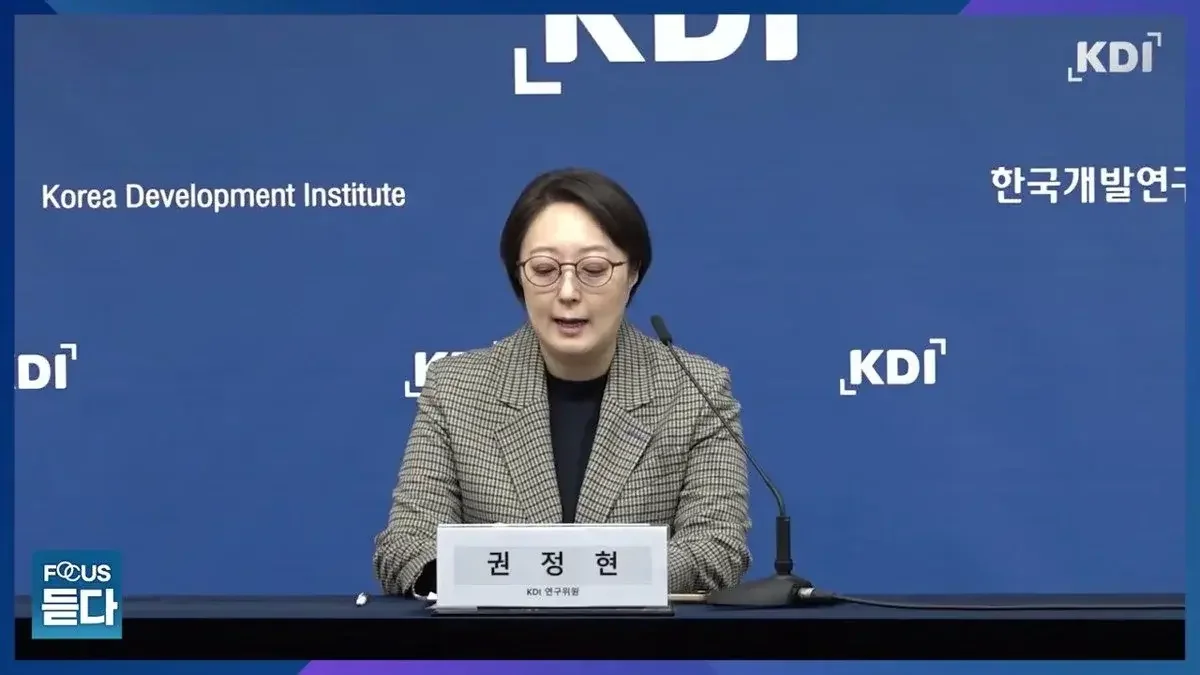
A KDI analysis of 2,890 care facilities from 2016 to 2023 found that increasing the proportion of skilled nurses by 10%p reduces health insurance medical expenditures by 7.7%. The report suggests that rising minimum wages have previously caused the proportion of nurses to fall by 4.25%p as facilities shift toward lower-cost nursing assistants.
Increasing the proportion of skilled nursing staff in elderly care facilities leads to a significant reduction in health insurance medical expenditures for resident seniors. An analysis suggests that investing in strengthening the nursing functions of these facilities could positively impact the sustainability of both long-term care insurance and health insurance finances.
Kwon Jeong-hyeon, a research fellow at KDI, analyzed how changes in the composition of nursing staff in care facilities affect the use of medical services by recipients in a recent report titled "Effects of Expanding Skilled Nursing Staff in Elderly Care Facilities and Policy Directions." The analysis was conducted by linking long-term care insurance claims with health insurance statement databases for residents of 2,890 care facilities operating from January 2016 to December 2023.
According to the analysis, rising employment costs due to increases in the minimum wage acted as a factor changing the workforce structure of care facilities. As the minimum wage rose, the proportion of skilled nursing staff (nurses) within care facilities fell by 4.25%p. This is interpreted as facilities responding to the increased burden of employment costs by increasing the proportion of nursing assistants, who have relatively lower labor costs, and reducing the employment of nurses.
This deterioration in the composition of skilled staff also brought changes to the medical service utilization patterns of resident seniors. It was confirmed that when the proportion of skilled nurses increased by 10%p, the total number of outpatient visits by residents decreased by 0.33%, and the number of inpatient days decreased by 0.49%. Notably, health insurance medical expenditures decreased by 7.7%. This suggests that investing in personnel for care facilities has the effect of easing the financial burden on health insurance.
The impact of nursing staff expertise on the reduction of medical service use varied depending on the type of disease. For diseases such as urinary tract infections and pressure sores, where professional management by nurses is essential, the use of medical services decreased significantly. Conversely, no reduction effect in medical service use was observed for diseases such as cancer, which occur regardless of the skill level of nursing staff.
This shows that the daily health management and assessment of status changes performed by nursing staff in care facilities play a substantial role in the prevention and management of specific diseases. Currently, in South Korea, nursing treatments can only be performed under the guidance of a doctor, which imposes many limitations on performing medical functions. These constraints also serve as a cause for the "social hospitalization" problem, where elderly residents in care facilities are moved to long-term care hospitals because they cannot receive appropriate treatment.
The United States is strengthening the scope of work and discretion of nurses in nursing homes, and Germany is also pursuing legal amendments to implement the Nursing Powers Expansion Act starting in 2026, allowing nursing staff to directly handle professional care. This is why points are being raised that South Korea must strengthen the medical functions of care facilities to reduce unnecessary medical service use.
Based on the analysis results, KDI proposed three policy response measures. First, it emphasized that the current nursing staff placement standards, which manage nurses and nursing assistants as a total amount without distinction, must be improved. The report suggests that to prevent a decline in service quality, requirements specifying the proportion of skilled staff, rather than just the number of personnel, should be included in the placement standards.
Second, it is necessary to establish a fee system that can respond to changes in employment costs. In the long-term care sector, where both staffing standards and price regulations are applied simultaneously, facilities have no choice but to respond by reducing skilled staff when cost shocks occur. Therefore, an environment must be created where facilities can continuously employ skilled staff by linking the adjustment of long-term care fees and additional charges to changes in employment costs.
Finally, a financial evaluation from an integrated perspective of long-term care insurance and health insurance was proposed. Since financial investment to strengthen the nursing functions of care facilities leads to a reduction in health insurance expenditure, the analysis suggests that policies should be designed by integrally considering cost-effectiveness between the two insurance finances.
Source: KDI (YouTube)



0Comments
Comments are currently disabled.