
ChatGPT and Higgsfield Integration: AI Performs the Entire Process from Planning to Video Production
As AI technology advances, its scope is expanding from simple image and video generation to the "planning" stage, which is the core of production.
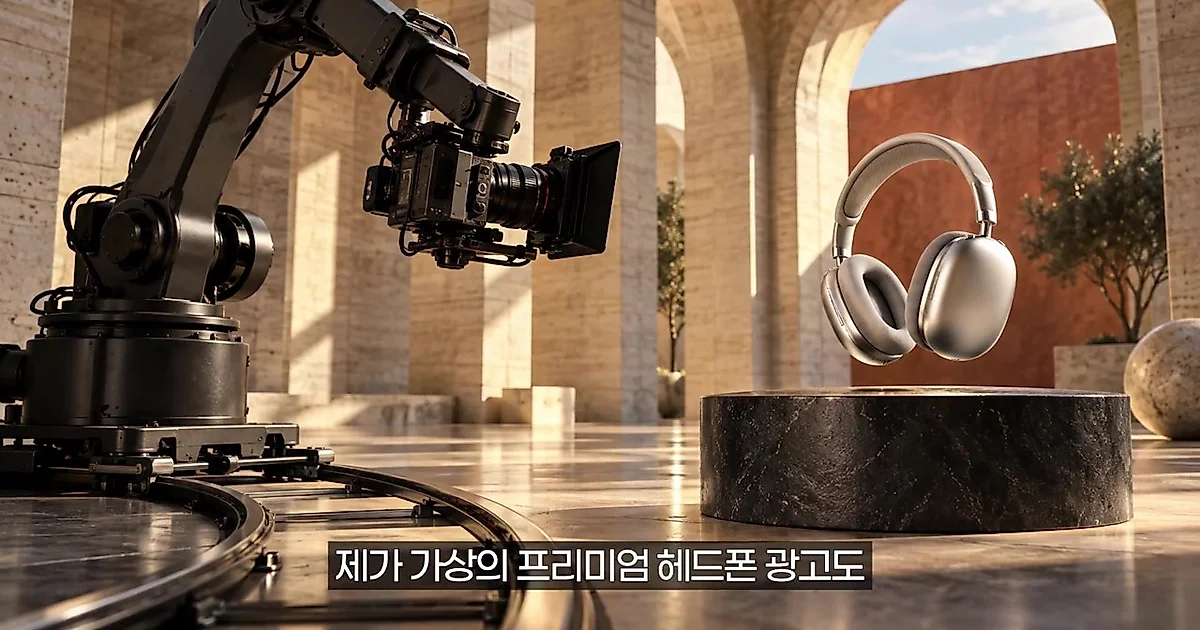
As AI technology advances, its scope is expanding beyond simple image and video generation to the "planning" stage, which is the core of production. In this method, if a user presents only abstract ideas or emotional directions, the AI converts them into specific scene compositions and directing plans, then connects them to actual production tools to create the final result.
'Planning-type AI' that converts user intent into specific production plansThe development of recently emerged AI models is fundamentally changing the efficiency of the video production process. According to a video from the "Impossible Engineering - New IT Technologies" channel, a method of connecting and using Higgsfield within ChatGPT is an example. In this structure, GPT-6 Astra performs the role of a "planner" that organizes the user's ideas into specific production plans, while the actual image and video generation is handled by the generative models connected to Higgsfield.
While existing methods involved writing long prompts to give direct commands, the new method only requires the user to provide a direction. For example, a performer in a video might convey emotional and directorial requirements such as, "I want it to start with an exciting atmosphere and then have an overwhelming scene in the middle that is impossible in reality. You plan the camera and music like a director." Then, based on this, the AI first proposes a detailed plan including scene transitions, camera movements, and music. By reviewing, modifying, or finalizing this plan, the user can maintain control over production while drastically reducing the workload.
Ensuring continuity between images and videos and selecting customized models
The issue of "continuity," one of the key factors determining video production quality, is also being addressed through the division of roles among AI. The video shows a process where a reference image is generated first, and then movement is applied while maintaining the composition, texture, and lighting of that image. Representative examples include a concept video where GPU server parts are disassembled in the air and then reassembled, or the process of creating a dynamic advertisement while maintaining the design of a specific product.
Particularly noteworthy is that the AI selects the optimal tool according to the production conditions. According to the video, instead of the user simply choosing a model name, the AI determines and calls upon a model that meets the production conditions, such as whether a reference image can be input, support for the desired video length, or whether audio is included. This is the result of combining "planning intelligence," which unravels the user's vague requirements into specific scenes, with "execution capability," which uses the appropriate tools.
In the AI era, the creator's role shifts from 'generation' to 'judgment'
As AI takes on many parts of the process from planning to production, the role of human creators is shifting from "manual labor of direct creation" to "final decision-making." The video explains this through an advertisement production case. When the AI proposes textures, lighting, and camera work to emphasize a product's charm, the creator focuses on judging whether the result aligns with the initially intended advertising purpose (conveying product features).
The performer emphasized that "someone is absolutely necessary to see the results and make a choice. This is because a final judgment is needed to determine how well the intentions were reflected," noting that while AI significantly reduces the work up to the stage of creating drafts, deciding the final quality and whether it meets the purpose remains the domain of humans. Ultimately, the advancement of AI technology is driving practical changes that allow individuals to visualize their ideas even if they are not proficient in handling professional production tools.



0Comments
Comments are currently disabled.