
It's the Home targets Vietnam market using FTAs, enhancing responsiveness through local joint venture
Food manufacturing company It's the Home is accelerating its entry into the Vietnam market through strategic FTA utilization and a localized production system. The company plans to build a sustainable growth structure by developing products tailored to local tastes and operating a local joint venture.
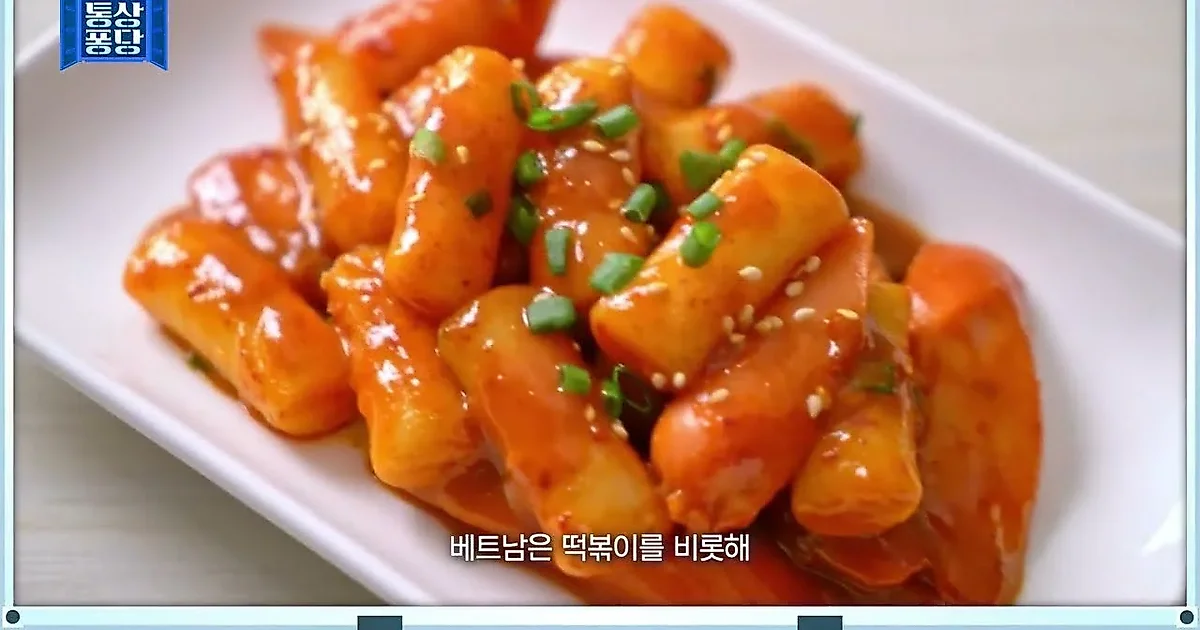
Food manufacturing company It's the Home is accelerating its entry into the Vietnam market through a strategic approach utilizing FTAs (Free Trade Agreements) and a localized production system. Beyond simple product exports, the strategy is to build a sustainable growth structure by developing products tailored to the tastes of local consumers and operating a joint venture.
Securing Price Competitiveness by Utilizing FTA Tariff Benefits
According to a Trade Lounge video, It's the Home overcame tariff barriers by utilizing export support programs and expert consulting from agencies under the Ministry of Trade, Industry and Energy during its entry into the Vietnam market. In particular, to strategically utilize the preferential tariff rates of the Korea–Vietnam Free Trade Agreement and the Korea–ASEAN Free Trade Agreement, the company went through a process of accurately determining the HS Code (Harmonized System Code) for each item. Through this, they were able to lower import costs and form competitive price ranges in the local market.
In the video, It's the Home CEO Park Jong-hyeok explained, "The preferential rates of FTAs are not just a system to reduce import costs, but an important foundation," adding, "Accurately identifying the HS Code to receive tariff benefits is the key to determining price competitiveness." This strategic approach contributed to easing the price burden of South Korean products and increasing accessibility for local consumers. CEO Park stated that while preparing to enter the Vietnam market, he prioritized ways to supply high-quality products to local consumers at competitive prices.
Strengthening Market Responsiveness through a Local Joint Venture (JV)
It's the Home adopted a local joint venture (JV) model to respond quickly to changes in the local market while maintaining the identity of the flavors developed in South Korea. The method involves directly producing and exporting four types of sauces, including Chuncheon Dakgalbi seasoning, from South Korea, while the local Vietnamese joint venture, 'Moda Food', uses these as raw materials to produce and distribute the final products.
This structure offers advantages in two aspects. First, it can maintain the sauce flavors, which are the core technology of the South Korean headquarters. Second, through local production, it can respond more quickly and efficiently to market conditions and consumer reactions. In the video, CEO Park stated, "Through cooperation with local partners, we can go beyond a simple commercial relationship to closely observe market changes and respond quickly to product development and marketing in accordance with local circumstances." He added that the experience during the first export to Vietnam, where local consumers enjoyed the products much more naturally than expected and actively shared opinions, led to confidence in the local market.
A Sustainable Growth Model Coexisting with the Local Community
It's the Home emphasizes a management philosophy that corporate growth is completed through coexistence with the local community. The company aims for a virtuous cycle where it receives a stable supply of agricultural products from local farms to produce goods, and as the value of the products increases, those profits are returned to the local economy. To this end, the company is pursuing signing MOUs with local communities, cooperating with agricultural suppliers, and creating jobs within the region. In particular, as the business grows, the company is making efforts to become a member of the local community through the process of recruiting local personnel and moving to new factories.
Furthermore, regarding overseas expansion, he defined it as, "Expanding abroad is not simply selling products, but a process of understanding the culture and growing together with consumers." It's the Home plans to prepare for entry into the North America market in the future, aiming not just to increase export volumes but to promote sustainable growth by building a business structure optimized for the local market. CEO Park predicted, "Sustainable growth does not simply come from following trends, but from the accumulation of technological prowess and trust," adding, "If we strategically utilize good products, quality, stable partners, and the FTA system, growth will continue."

0Comments
Comments are currently disabled.