
Gwak Su-jong Urges Larger Bond Holdings as KOSPI Falls Below 5,500
Gwak Su-jong recommended increasing bond allocations as the KOSPI fell below 5,500 and market volatility rose. He cited high United States Treasury yields, the benefits of compounding and potential bond issuance to support AI investment.
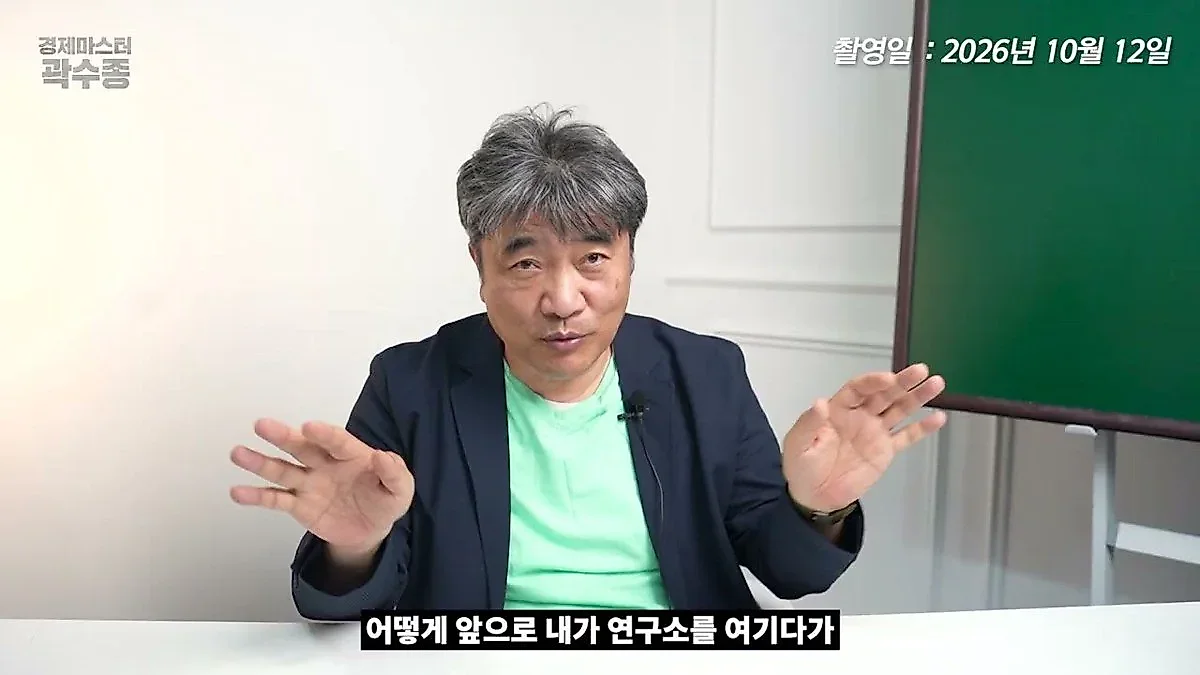
Gwak Su-jong has recommended increasing the share of bonds in investment portfolios as market volatility rises and the KOSPI falls below 5,500. In an analysis of recent market conditions, he said bonds could offer greater safety and appeal than stocks.
He suggested that a portfolio centered on cash, gold and bonds could be effective. Bonds acquired now could deliver substantial returns when inflation settles into the Federal Reserve’s target range of 2% and interest rates decline, he said.
High United States Treasury yields highlight compounding
The current yield on 10-year United States Treasury bonds is 5.25%, while the yield on 30-year United States Treasury bonds exceeds 5.5%. Gwak Su-jong highlighted the compounding potential of bonds in this high-interest-rate environment.
United States Treasury bonds pay interest every six months, and reinvesting those payments can produce substantial compound returns, he said. Referring to the value of investing 100 million won at 3% interest for 10 years while continuing to accumulate the interest, he emphasized the practical value of bonds at current high rates.
AI investment could drive further bond issuance
The enormous investment needs of the artificial intelligence industry were identified as a variable in the market outlook. The industry is estimated to require about $10.3 trillion in investment by 2031, raising the prospect of increased bond issuance to finance it.
Gwak Su-jong likened the effect of AI on the market to applying a “handbrake.” He expected AI to undergo a process of verification over the next one to two years.
Investment principles of the Government Pension Fund of Norway
Drawing on his experience working at PIIE in Washington, D.C., Gwak Su-jong also described the investment philosophy of the Government Pension Fund of Norway.
At the time, a fund official said the fund placed greater weight on whether a company or government was consistent with a market economy and met standards of social responsibility and ethics than on the numerical level of investment returns.
Gwak Su-jong explained that companies lacking moral and ethical standards could face a crisis at any time, even if they offered high interest rates. He cited that risk as a reason the Government Pension Fund of Norway continues to pursue values-based investment.
Source: original video (YouTube)

0Comments
Comments are currently disabled.