
"From Subscription Cancellation to Train Ticket Booking"... Meta's 'Muse' Signals an Agent Commerce Revolution
Meta's AI agent 'Muse' is ushering in an era of "Agent Commerce," moving beyond simple chatbots to perform practical tasks like managing subscriptions and booking travel. This shift marks a transition from AI as a "brain" to AI as "hands and feet" that can execute real-world actions.
The era of 'agents' is approaching, where artificial intelligence (AI) moves beyond simply answering questions to performing practical tasks on behalf of users. Recently, Meta's AI agent 'Muse' has been drawing attention by signaling a 'Muse moment' that could reshape the economic order beyond being a simple chatbot.
"From Subscription Analysis to Insurance Management"... AI that Performs Daily Tasks
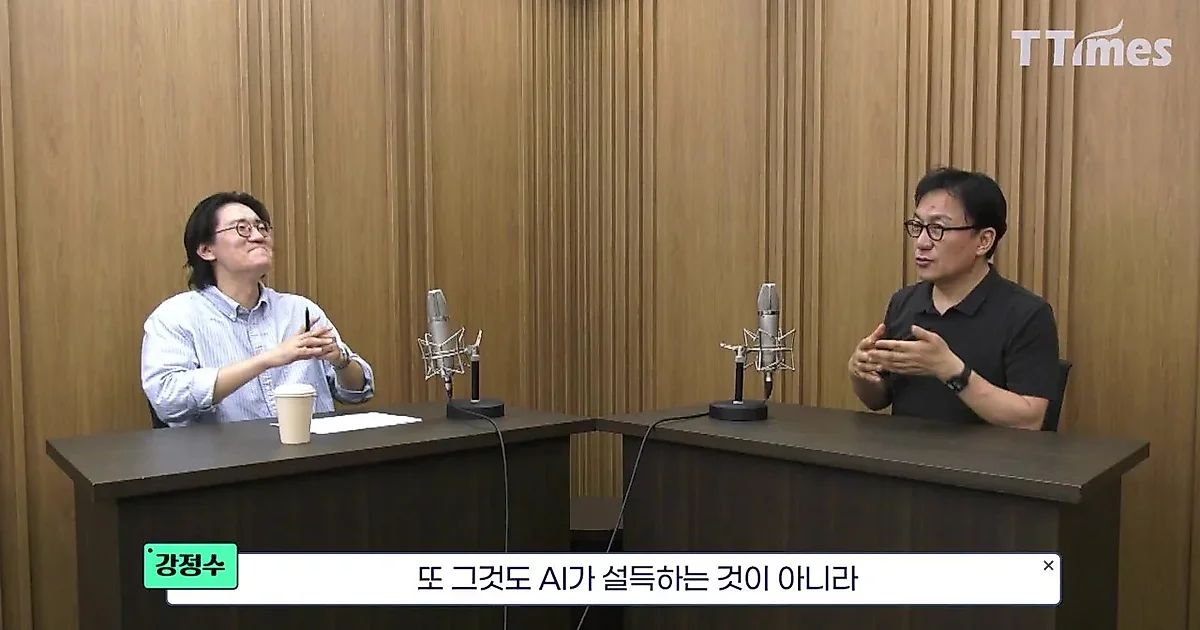
According to the user experience shared by Kang Jung-soo, director of the BlueDot AI research institute, on T Times TV, Meta's Muse provides specific, life-oriented services based on user data. Kang Jung-soo connected and utilized personal and company Gmail accounts, smartphone calendars, and health data to Muse. Muse not only provides customized morning news briefings but also analyzes the user's paid subscription status. Out of 15 subscription services, Kang Jung-soo identified 4 services with an usage rate of less than 10% over 6 months and suggested cancellations, then performed the cancellation procedures upon the user's request.
Its application in the financial sector is also specific. When a user enters their insurance details, Muse finds expired insurance policies or identifies duplicate insurance and recommends cancellation. It also analyzes products with low tax-saving effects or low investment returns to suggest alternatives. However, under Korean regulations, AI cannot directly conclude contracts, but it performs an auxiliary role by helping with execution, such as creating checklists required for contracts or guiding the necessary documents.
Pet Care and Train Ticket Booking: 'Purchase Conversion' Will Be the Deciding Factor
Muse showed an expanded scope of care services for users with pets, such as checking food inventory and notifying them of periodic ordering times. It also demonstrated secretary-like execution capabilities, such as proactively asking "Have you booked your train ticket?" by identifying the user's schedule or suggesting options by looking up KTX timetables. This differs from existing ChatGPT or Claude, which go beyond the level of drafting email replies to proactively recognizing the user's situation and inducing action.
The core of this change is the possibility of 'Agent Commerce.' Kang Jung-soo predicted that this year's Christmas season will be a watershed moment that determines the success of Muse. While AI was limited to recommending gift ideas until last year, the key this year is how much 'purchase conversion'—leading to actual purchases through Muse—occurs. If the purchase conversion rate through Muse reaches even the 5% level, it is expected to be a game-changing event in the market.
The 2027 AI Market Will Be Led by Agents with 'Hands and Feet' for Execution
Currently, while OpenAI is shifting its weight by focusing on enterprise (B2B) agents, Meta is aiming for dominance in the B2C (consumer) market through Muse. Google is also driving forward through commerce protocols, but its preemptive capture of the B2C agent market remains uncertain as it focuses on the entertainment or creative sectors.
Kang Jung-soo analyzed that AI agents in 2025 and 2026 will be qualitatively different. He explained that while existing AI models were the 'brains' responsible for intelligence, future agents are evolving into the 'hands and feet' that perform actual tasks. By 2027, AI agents are expected to consume all industries, and corporate organizational structures will be reorganized into organizations collaborating with agents, organizations working with chatbots, and organizations working with humans.
Source: original video (YouTube)


0Comments
Comments are currently disabled.