
Master tile-maker Kim Chang-dae honored at Jangheung dinner showcase
National Intangible Cultural Heritage holder Kim Chang-dae, who played a key role in restoring Sungnyemun Gate, was honored at a dinner featuring local specialties from Jangheung. The event highlighted his dedication to traditional tile-making and the craftsmanship required to produce intricate works like the Tripitaka Koreana-themed tiles.

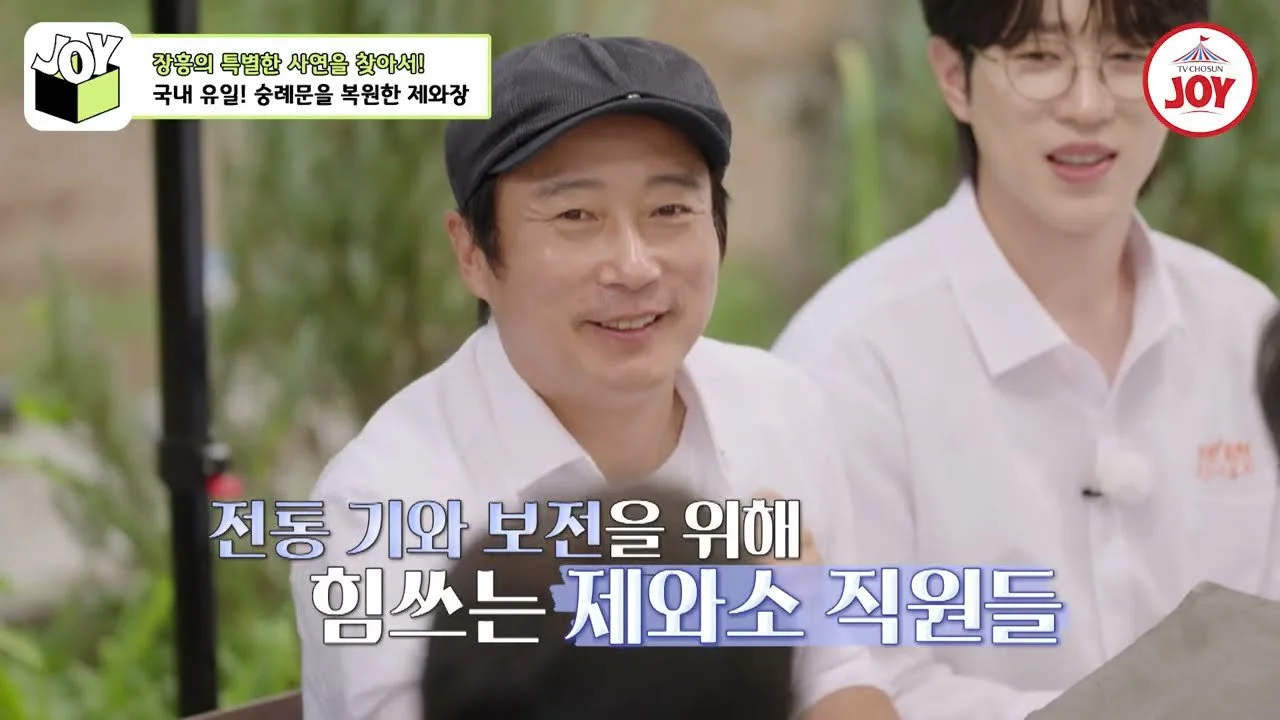
National Intangible Cultural Heritage holder Kim Chang-dae was honored at a premium dinner in Jangheung, where he shared the grueling 36-day process used to handcraft single roof tiles for the Sungnyemun Gate restoration.
Kim Tae-hwan, a resident of a village in Jangheung, Jeollanam-do, who has performed postal duties in the area for 37 years and knows every corner of the village, was introduced as a member of the community. His story of saving children during a major typhoon in 1993 using wooden supports, when their house collapsed, confirmed to villagers that he is more than just a worker, but a lifesaver and a family member. Treating villagers like his own parents, Kim serves as a reliable pillar of the local community, including volunteering and supporting the local elementary school alongside K-water employees.
Joining these community workers as the guest of honor for this dinner was Kim Chang-dae, a holder of the National Intangible Cultural Heritage for tile-making. Kim shared his dedication to restoring Sungnyemun Gate following the fire that damaged the National Treasure No. 1. At that time, producing a single roof tile required 17 processes and took 36 days, with the grueling task of re-firing tiles 34 times to achieve perfect results. The tile production was 100% handmade, adding to its traditional authenticity.
Tripitaka Koreana tiles crafted with three years of persistence
Recalling the hardships of the Sungnyemun restoration, Kim Chang-dae mentioned the tragic situation of his mentor, Han Yong-jae, who passed away only one month after being hospitalized due to an excessive workload following the completion ceremony. Currently, a team of about 10 members, including Kim Chang-dae and manager Kim Jo-yeong, works together to carry on the techniques for repairing cultural assets. Although Kim is a master tile-maker, he stated that he considers the entire team to be one single unit as they continue their work in cultural asset preservation.
The works produced by Kim Chang-dae were showcased at the scene. The dragon-patterned roof tiles used during the Sungnyemun restoration are characterized by the exquisite carving of even the toes of the dragon, which symbolizes the king. Additionally, the weight of the craftsmanship was emphasized by the unveiling of roof tiles featuring patterns related to the Tripitaka Koreana for the Jeongjeon Hall of Jongmyo Shrine, which were produced with great effort over the past three years.
Premium dinner featuring Jangheung specialties, 'dishes that bring blessings'
The food prepared for those who protect cultural assets was a high-quality dinner utilizing specialties from Jangheung. The table was filled with charcoal-grilled Naksi Horong and Yeonpotang, which contains the energy of the sea. In particular, the Jeonggabok dishes, which carry the meaning of "dishes that bring blessings," used precious ingredients such as Jangheung abalone and shiitake mushrooms. The abalone was described as being of royal or peace-maker grade quality.
Those enjoying the dinner expressed admiration for the taste, which combined fresh Jangheung ingredients with sincere preparation, with one guest stating, "In my 60 years of life, I have never had such a dish." Kim Chang-dae appeared to forget the exhaustion of his work while tasting the carefully prepared food.
Source: TVCHOSUN JOY (YouTube)

0Comments
Comments are currently disabled.