
Rooftop Koreans defended businesses as police focused on wealthy areas
During the 1992 LA riots, Korean residents formed vigilante groups known as "Rooftop Koreans" to defend their businesses after the LAPD focused its resources on protecting wealthy neighborhoods.
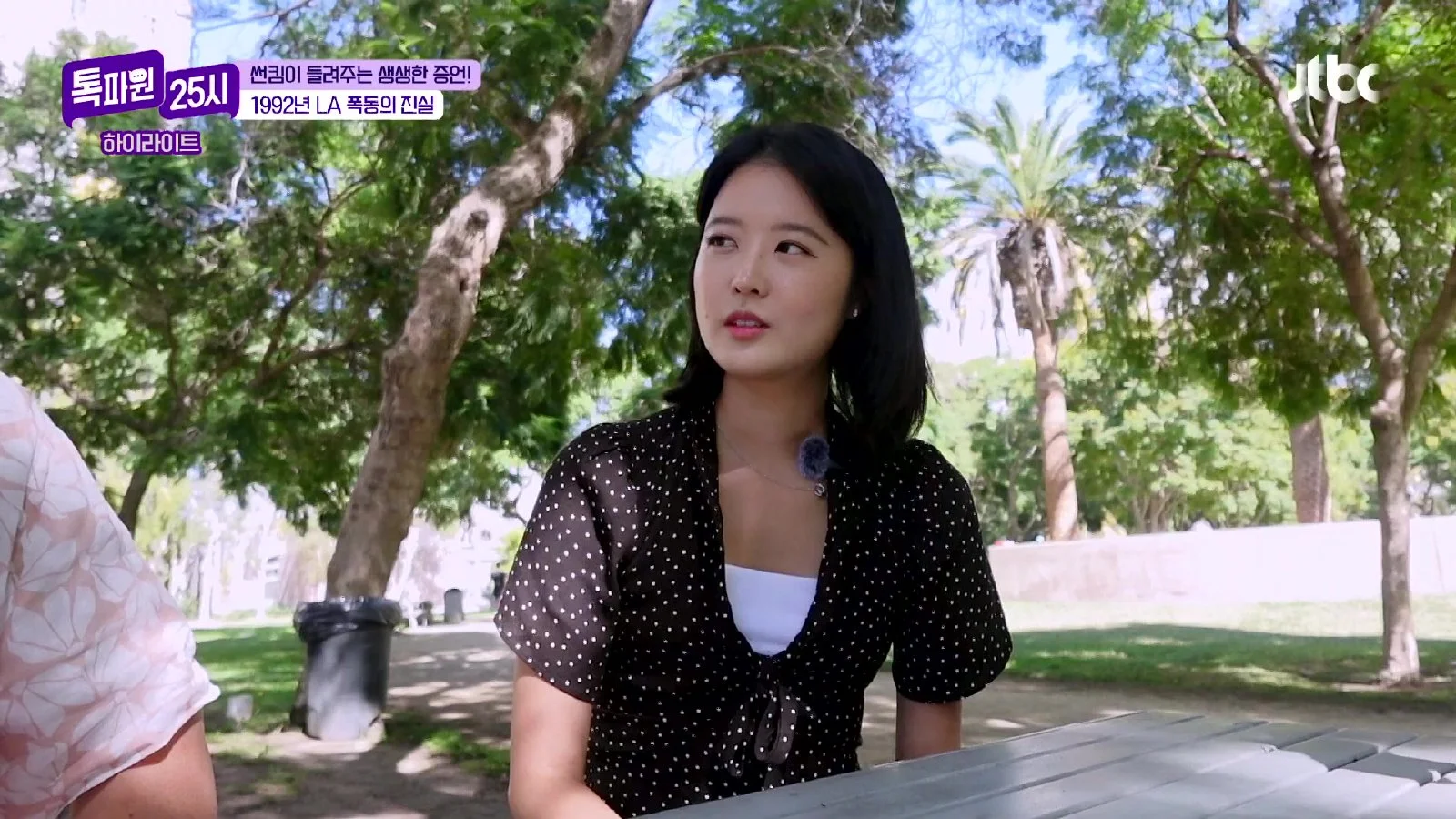
During the 1992 Los Angeles riots, Korean reservists formed vigilante groups to protect their shops after police concentrated forces on defending wealthy districts like Beverly Hills. The community faced $350 million in economic losses as approximately 2,300 Korean-owned businesses were targeted while authorities failed to respond to emergency calls for three hours.
The fires of the riots that shook all of Los Angeles (LA) on April 29, 1992, specifically targeted the Korean community. At the time, Koreans primarily operated supermarkets, laundries, and liquor stores within Black residential areas where rent was affordable and income was guaranteed, but these areas became the primary targets of the riots. In addition to African Americans, with whom relations had deteriorated, even Latino neighbors joined in the looting. The scale of the damage was devastating, with approximately 2,300 Korean-owned businesses affected, resulting in economic losses of $350 million, which accounted for nearly half of the total damage caused by the LA riots.
"Police only protected wealthy areas"... Abandoned Koreatown and collapsed public order
During the riots, Koreans desperately requested help from the police, but were met only with silence. Michael Kim, who was operating the Cosmos appliance store at the time, recounted that he hid behind his shop and made desperate attempts to report to the police, but neither the police nor the fire department responded for three hours. Standing before a shop that collapsed in just 10 minutes, Koreans had to face the total absence of public authority.
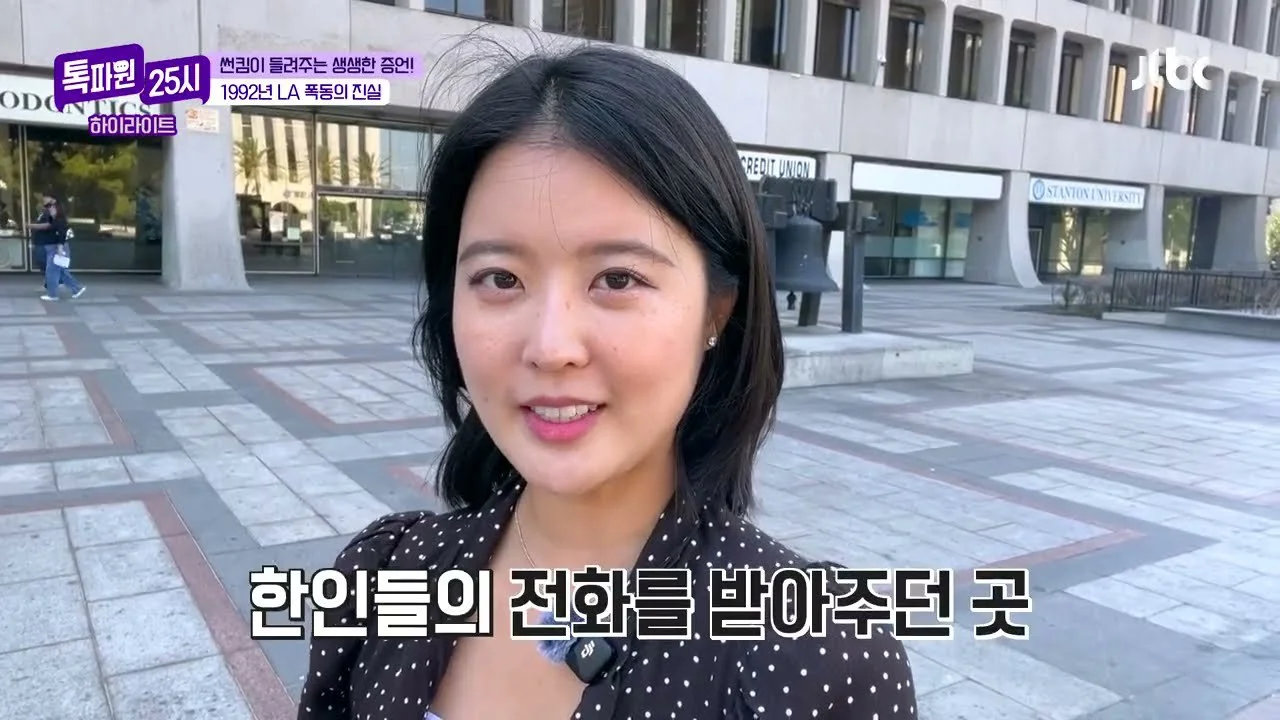
Criticism has arisen that the deployment of LAPD forces was thoroughly discriminatory. At the time, police strength was concentrated on setting perimeters and defending wealthy areas to prevent the riots from spreading to neighborhoods such as Beverly Hills. According to testimony from a former local police officer, there was an attitude within the police force that because there was a shortage of reserve forces, residents should fend for themselves. In fact, while police forces were deployed to the Park La Brea area adjacent to the wealthy districts, standing on corners to guard the town, Koreatown was left completely exposed to the attacks of rioters. As it was broadcast live that the police had moved to protect wealthy areas, rioters confirmed that the police were not coming and launched even more intense attacks on Korean stores.
Radio Korea's emergency broadcasts and the emergence of 'Rooftop Koreans'
In the lawless land where public authority failed to function, the Korean-language radio station Radio Korea became the only channel for Koreans. For first-generation immigrants who found it difficult to access information from local media such as CNN due to limited English proficiency, Radio Korea served as a "control tower" for survival. Choi Yeong-ho, who has continued broadcasting for 37 years, recalled the desperate moments when he had to call directly from the station's studio to check on the situation because the police and fire departments were not answering the phones. Radio Korea translated the situation from CNN into Korean and continued to issue evacuation advisories, telling people to "close your doors and return home quickly."
As physical threats continued, Koreans decided to protect themselves. Following advice that self-defense is permitted under U.S. law, vigilante groups were formed within the Korean community. It was notable that these organizations were able to mount an organized response, primarily led by men with experience in military service in South Korea. Reservists who had completed their three years of military service gathered to divide roles on the spot and guard their stores. They prevented rioters from approaching by firing warning shots with rifles from the rooftops of buildings, and the American media highlighted them as a symbolic image, calling them the "Rooftop Koreans." The sight of ordinary citizens, such as cafe owners, voluntarily gathering to hold rifles and pistols to protect their shops demonstrates the extreme struggle for survival faced by the Korean community at that time.
Source: JTBC Entertainment (YouTube)

0Comments
Comments are currently disabled.