
Life in Sillim-dong: 4,000 students enduring daily struggles in tiny rooms
Archival footage from KBS reveals the lives of thousands of students who gathered in Sillim-dong, Gwanak-gu, to prepare for national examinations such as the judicial, administrative, and foreign service exams.
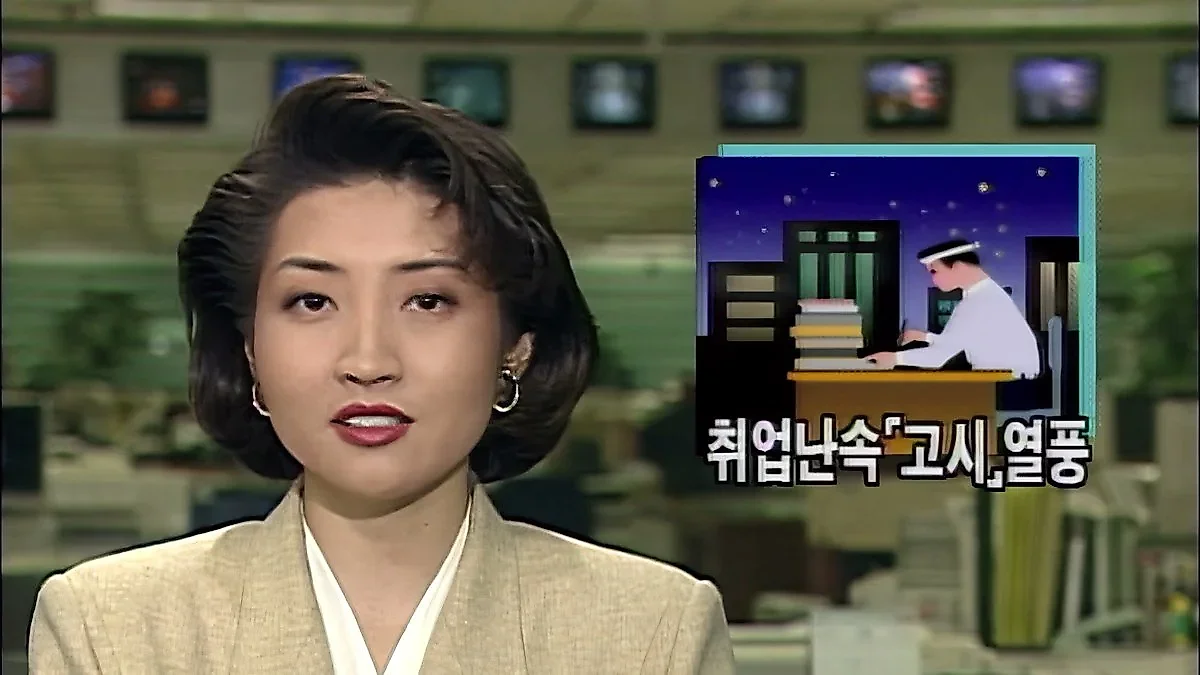
Footage released by KBS reveals the landscape of the Sillim-dong exam village in Gwanak-gu, Seoul, which served as the center of South Korea's examination fever. The video captures the lives of students who gathered from across the country from the 1990s to the early 2000s to prepare for the judicial exam, administrative exam, and foreign service exam.
"It will probably take 5 years"... A long-term battle fought in rooms of about 1 pyeong
Boasting the largest scale in the country, the Sillim-dong exam village once saw as many as 4,000 students concentrated within approximately 150 gosiwon (exam studios). The scenery reflects the unique lifestyle of these students; tiny rooms, each measuring less than one pyeong (approximately 3.3 square meters), line narrow corridors. Students made these cramped spaces—consisting of only a desk, books, a few pieces of clothing, and just enough room to lie down—their entire world.
Among the students, it was considered polite to avoid excessive contact with one another. Due to the habit of studying alone in their rooms, an atmosphere developed where people were reluctant to show themselves, and it was even a principle for students to keep their distance from fellow examinees. Avoiding conversation except during meal times was their way of ensuring they did not interfere with each other's studies.
One student preparing for the judicial exam responded that he expected it would take about five years when asked how long it would take to achieve his goal. While expressing that the challenge itself was important, he shared that as he entered his thirties, he felt pressure to pass this exam due to surrounding circumstances, such as marriage and economic issues.
The ecosystem of the exam village: information gathering and specialized services
The exam village established a unique ecosystem tailored to the demands of the students. Specialized academies lined the streets, alongside barbershops that favored exam students, inexpensive small eateries, and places that provided free room guidance. In particular, coin laundries that allowed for quick washing and drying were popular among students living alone, and facilities were available to read exam-related magazines or use photocopiers during laundry time.
Gathering information was the core of exam preparation. Specialized bookstores served as hubs for obtaining various information, such as exam trends, and copies of subject-specific notes compiled by successful candidates were traded there. A phenomenon also emerged where students flocked to Sillim-dong due to its geographical advantage, stemming from the perception that many exam examiners were professors from Seoul National University.
Veterans and mountain villages: the changing face of the exam village
The appearance of the exam village changed over time. In the past, it was common to study alone in temples or mountain gosiwon, but a new trend emerged where students formed seminar teams to study together. Additionally, in areas such as Namyangju, where the average age is 7 to 8 years higher than in Sillim-dong, people who could not give up their dreams after working jobs gathered. These individuals continued their studies while being conscious of social perceptions regarding age and marital status.
On the mountainside behind the exam village, single rooms were provided for those seeking a quieter environment. Some individuals, locking their doors and barely even stepping out, were confining themselves to small spaces for the final review of the major judicial and administrative exams. Meanwhile, locations like the mineral water spring where the veteran examinees gathered exuded an atmosphere unfamiliar to outsiders, silently demonstrating the weary lives of the students.
Source: original video (YouTube)



0Comments
Comments are currently disabled.