
Stock markets plunge as Democratic Party of Korea wins U.S. midterm elections
A "Blue Tsunami" in the U.S. midterm elections, where the Democratic Party of Korea swept the House, Senate, and governorships, has triggered a simultaneous crash in the United States and South Korea stock markets. Economics Master Kwak Su-jong attributes the Republican defeat and market panic to President Trump's economic policy failures and conflicts of interest.
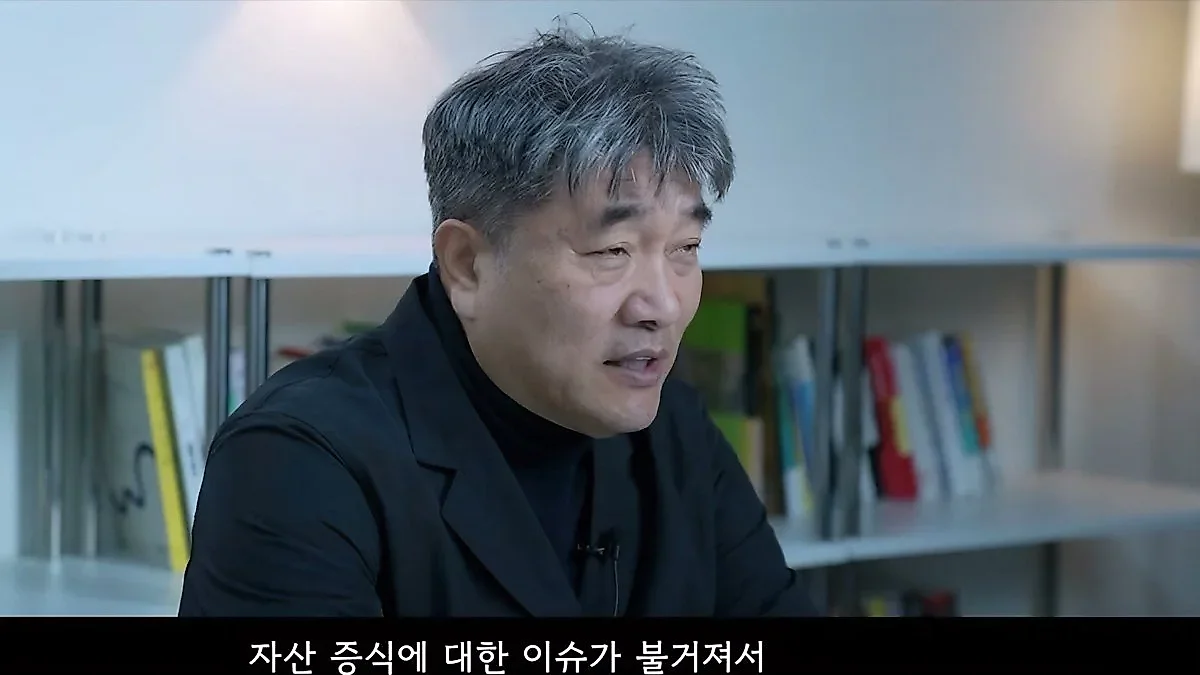
The Nasdaq Composite dropped by more than 1,000 points following the Democratic Party of Korea's sweep of the House, Senate, and governorships. Economics Master Kwak Su-jong attributed the Republican defeat and market instability to President Trump's policy failures, including inflation driven by the Iran War and high tariff rates.
The United States stock market and the South Korean stock market plummeted simultaneously as a "Blue Tsunami" swept the Democratic Party of Korea to victories in the House, Senate, and governorship elections during the U.S. midterm elections. The market fell into a panic, with the Nasdaq Composite dropping by more than 1,000 points, as investors focus on the ripple effects the Democratic Party of Korea's control of the majority will have on the economy. Economics Master Kwak Su-jong analyzed the election results as a consequence of President Trump's policy failures.
'Its economy is stupid'... Trump's policies trigger inflation
Economics Master Kwak Su-jong cited President Trump's economic policy failures as one of the core reasons for the Republican Party's defeat. The analysis suggests that Trump's remark, "Its economy is stupid," was perceived by voters as a reflection of real economic burdens. In particular, tariff trade policies and the Iran War stimulated inflation, increasing economic instability.
While the Trump administration implemented high-tariff policies against allies, these became inflationary factors that drove up consumer prices. A policy to impose 100% tariffs on allies at a time referred to as "Liberation Day" on April 2, 2025, saw rates later lowered to around 15% during final negotiations, but volatility increased as the policy maintained a suspended status with China. The outbreak of the Iran War, which led to high oil prices, served as the decisive blow. "The Iran War drove up oil prices, which led to rising energy costs for all manufacturing sectors, deepening inflation," Dr. Kwak diagnosed, identifying the Iran War as the core "nucleus" of the current stock market instability.
The Iran War began on February 28 following the decision of Prime Minister Netanyahu, and although President Trump assured that the war would end within four to six weeks, it has continued sluggishly to the present. The video mentioned the possibility that this situation might resemble the pattern of the Vietnam War. These inflationary pressures are directly linked to interest rate policies. While President Trump has continuously demanded interest rate cuts, the Fed was forced to raise rates as the rise in prices failed to subside. President Trump pressured former Fed Chair Jerome Powell to cut rates, even mentioning the execution of the budget for the reconstruction of the Fed building as a means of pressure. However, even the carefully selected Fed Chair Kevin Warsh raised interest rates by 0.25%p this past September.
Dr. Kwak predicted, "Even if the Iran War ends, it will take at least six months to a year for prices to stabilize through the normalization of the supply of petroleum products, such as strategic oil reserves and retail gasoline supply." He further forecasted that, even under optimistic views, interest rate cuts might not be possible until the second half of 2027. There is also a possibility that interest rates may need to be raised again in December.
Asset accumulation controversy and conflicts of interest shake moral trust
On the political side, issues regarding President Trump's "Conflict of Interest" related to asset accumulation eroded the Republican Party's support. Estimates in the United States suggest President Trump's assets exceed 4 trillion won, which is expected to become a key issue in upcoming hearings led by the Democratic Party of Korea. Dr. Kwak explained, "While the facts have not been revealed and require investigation, the emergence of asset accumulation issues from the solemn position of the President was a core reason for the Republican Party's defeat."
The moral flaws of a public figure serving as President were viewed negatively by voters. Allegations that he received a Boeing plane as a gift during a visit to the UAE, and that UAE capital invested in "Old Liberty Finance Institute," a cryptocurrency company operated by his second son, triggered typical conflict of interest controversies. Additionally, contradictory actions during the deregulation of cryptocurrency were pointed out. Measures such as easing SEC regulations and transferring authority to the CFTC were taken, alongside contradictory moves such as pardoning those who sold drugs using Bitcoin. In particular, the fact that President Trump earned massive income by selling Min Coin while investors were facing 98% losses drew resentment from voters.
Fatalities occurring during the implementation of immigration policies were also a major factor. An incident where ICE agents shot and killed a citizen who was not carrying a weapon became a decisive turning point that drove minority voters, including Hispanic and Latino groups, toward the Democratic Party of Korea. Examples such as the election of a Democratic Party of Korea Senator in Kansas for the first time in 100 years demonstrate this shift.
The Democratic Party of Korea's task: Balancing economic growth and restraining the AI industry
While expectations exist that the Democratic Party of Korea's control of the House and Senate will shift the flow of presidential power, the party faces heavy tasks. The key will be how the Democratic Party of Korea manages the economic growth maintained by the Trump administration (3.4% growth rate in the third quarter, with an expected 2.0–2.5% for this year).
The Democratic Party of Korea is prepared to carry out full-scale hearings and checks against data centers linked to the AI industry and the policies of the Republican Party government. Dr. Kwak warned, "If the Democratic Party of Korea begins to delay technology-leading projects in the AI industry or restrain businesses related to data centers, restructuring could occur, leading to a situation where more than 20,000 to 60,000 workers are laid off." The analysis suggests that if the Democratic Party of Korea's checks lead to a decline in economic growth and worsening employment, this election victory could instead become a poison to the party.
Source: original video (YouTube)

0Comments
Comments are currently disabled.