
Actual usage determines tax burden for modern officetels
The National Tax Service highlights that the core of real estate transactions lies in clarifying ownership and actual usage, comparing the Joseon era's 'Official Property Certification' system with modern tax considerations for officetels.
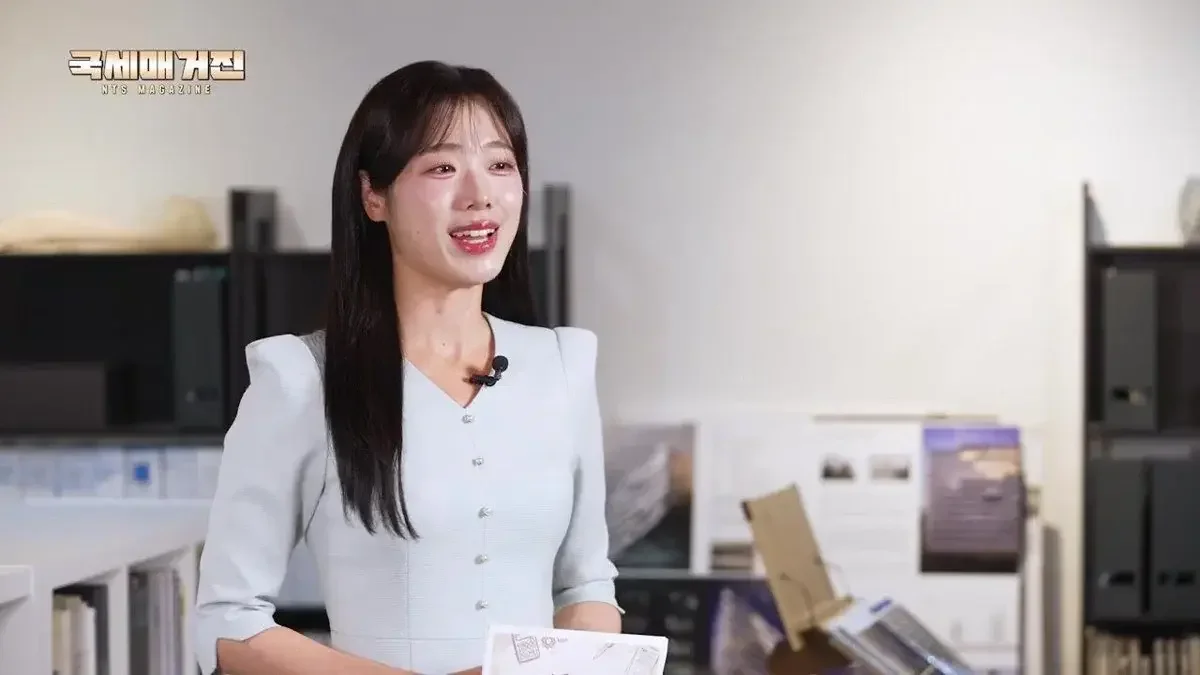
Investors purchasing commercial officetels must verify actual residency to avoid increased Comprehensive Real Estate Holding Tax, as properties used for residential purposes may see their single-household basic deduction reduced from 1.2 billion won to 900 million won.
The core of real estate transactions lies in clearly defining "who the true owner is" and "what the building is being used for." This principle remains unchanged from the Joseon era to the modern day. In this edition of the National Tax Magazine, the National Tax Service covers the 'Official Property Certification' (ip-an) system—a real estate notarization method used during the Joseon era—alongside the criteria for determining Comprehensive Real Estate Holding Tax for officetels, which investors should note.
Joseon Era's 'Official Property Certification' to Prevent Fraud and 'Uncertified Sale Documents' Between Parties
During the late Joseon era, real estate crimes were frequent, such as forging ownership records in land registers or stealing others' sales documents to secretly sell land. To prevent such chaos, the Joseon era operated the 'Official Property Certification' (ip-an) system, where government offices officially confirmed transaction facts. According to laws from the early Joseon period, transactions for houses or land had to be reported to the government office within 10 days to receive Official Property Certification.
The certification process was very strict. When a buyer submitted sales documents to the government office, the office verified not only the seller but also the statements of witnesses and the document drafter involved in the transaction. Once the transaction facts were verified, the office issued the Official Property Certification by attaching relevant documents and applying an official seal. This performed a role similar to modern-day notarization, solidifying ownership rights.
However, due to the cost and cumbersome procedures, there were cases where parties exchanged only sales documents without government notarization. The documents used in these instances were called 'Uncertified Sale Documents' (baek-mun-gi). While an Uncertified Sale Document was like a contract written without separate notarization, it was not illegal. Since land is an immovable asset, the testimony of neighbors served as strong evidence, and ownership changes were proven by passing along previous transaction documents. Whether through government Official Property Certification or Uncertified Sale Documents between parties, the effort to clarify ownership through records has continued regardless of the era.
Commercial Officetels Subject to Comprehensive Real Estate Holding Tax if 'Actually Resided In'
In the modern real estate market, a point of caution is the discrepancy between the usage stated on documents and the actual usage. Particular care is needed when purchasing a commercial officetel for monthly rental income. Even if it is specified as "commercial" in the contract and classified as a "commercial facility" on the building register, it can be regarded as a "house" under tax law if the actual tenant is using it for residential purposes.
The determination of whether a property is a house is not decided solely by whether a resident has filed a moving-in report. Actual residency, the presence of cooking and heating facilities, and other factors are considered comprehensively. If an officetel is judged to be a house, the tax burden can increase sharply. The 1.2 billion won basic deduction enjoyed by a single-household owner of one house could be reduced to 900 million won, and tax credit benefits based on age and holding period may also disappear.
Therefore, before purchasing an officetel, the following must be checked. First, one must examine whether the documented usage matches the actual usage, and if there is an existing tenant, clearly identify whether they are using it for office or residential purposes. Additionally, whether "residential property tax" is being levied on the officetel is an important indicator. If residential property tax is being levied, there is a very high possibility it will also be treated as a house when calculating the Comprehensive Real Estate Holding Tax.
Source: original video (YouTube)


0Comments
Comments are currently disabled.