
Most People Seeking Debt Adjustment Are Working but Still Struggle to Repay
An analysis of 2023 Credit Counseling and Recovery Service data found that about 92% of people seeking debt adjustment were working, with day laborers making up the largest share and unemployed people accounting for less than 10%. Interviews with 30 financially vulnerable people found different debt patterns by age and pointed to a need for employment, financial, welfare and health services to work together.
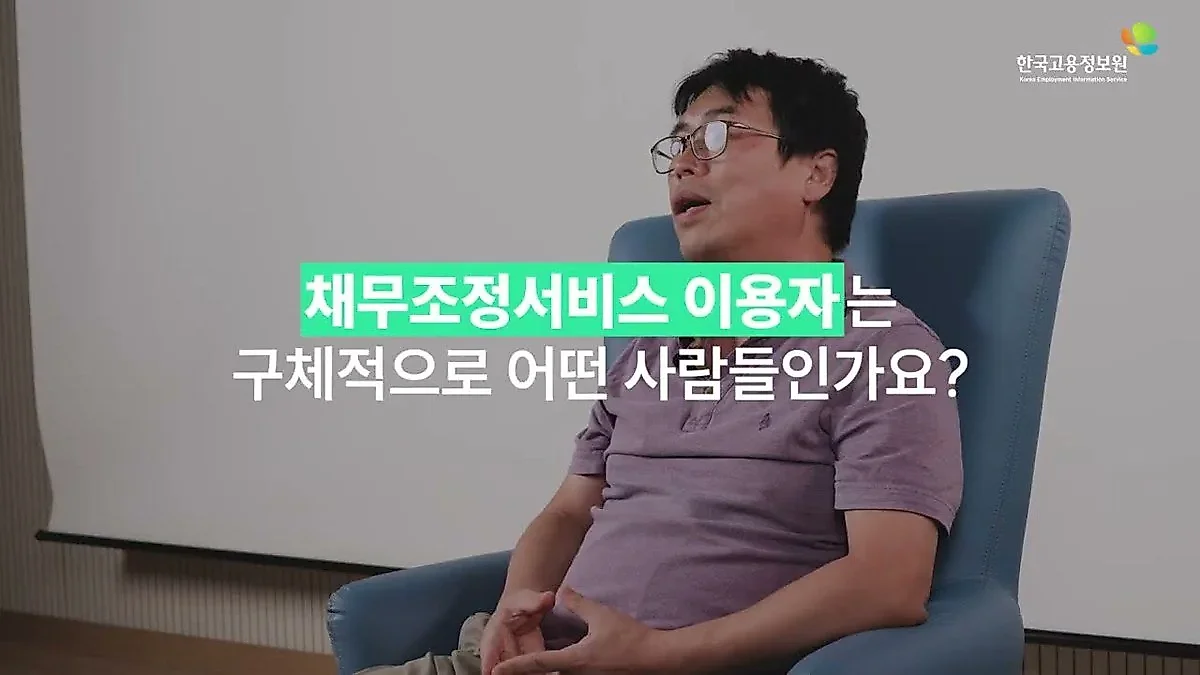
About 92% of people seeking debt adjustment were economically active, according to an analysis of 2023 data from the Credit Counseling and Recovery Service. Day laborers made up the largest share, at about half, while fewer than 10% were unemployed. The findings point to difficulties repaying debt despite working, linked to income structures and employment conditions.
The Korea Employment Information Service, in material featuring Employment24, reported the analysis. Researchers also interviewed 30 financially vulnerable people and found distinct debt patterns across age groups.
Young people faced high-risk investments; older people drew down their assets
Young interviewees often changed jobs and relied on platform work. With fewer family support responsibilities, some took on debt through high-risk investments such as cryptocurrency or stocks.
Middle-aged people more often moved from stable wage employment into subsistence self-employment or demanding platform work after suddenly losing their jobs. Family responsibilities added to the strain, and many experienced physical symptoms such as insomnia or shingles.
Older people showed a pattern of exhausting retirement assets. Despite long work histories, age limits blocked some from finding new jobs, leading them to use severance pay or pensions to repay debt. Researchers also found a policy dilemma in which receiving a pension could end eligibility for basic livelihood assistance.
Debt was accompanied by isolation and overlapping hardships
Across age groups, financial hardship was accompanied by psychological distress, including anxiety, depression and sleep disorders. A prominent pattern was voluntary isolation: people concealed their debt by cutting ties with family or friends and avoiding holiday gatherings.
Experts described a reinforcing cycle involving five difficulties: employment insecurity, reliance on financial services, reliance on welfare, psychological distress and fragile social ties. They said debt adjustment alone would not be enough to break that cycle.
The study recommended tailored responses: financial education to support young people’s self-reliance; group counseling to help platform workers move into regular employment; and an approach for self-employed people that combines business closure and job seeking, modeled on the Hope Return Package.
Its central conclusion was that public employment services need stronger links with financial, welfare and health services to support people in rebuilding their lives after debt.
Source: original video (YouTube)

0Comments
Comments are currently disabled.