
KOSPI could drop to 3x P/E level amid semiconductor slump
The semiconductor sector's decline, driven by AI overinvestment concerns and political uncertainty in the United States, is exerting downward pressure on the Korean stock market. However, analysts note that if the KOSPI falls to a 3x P/E ratio, it would represent an extreme undervaluation compared to the Lehman Brothers and IMF crises.
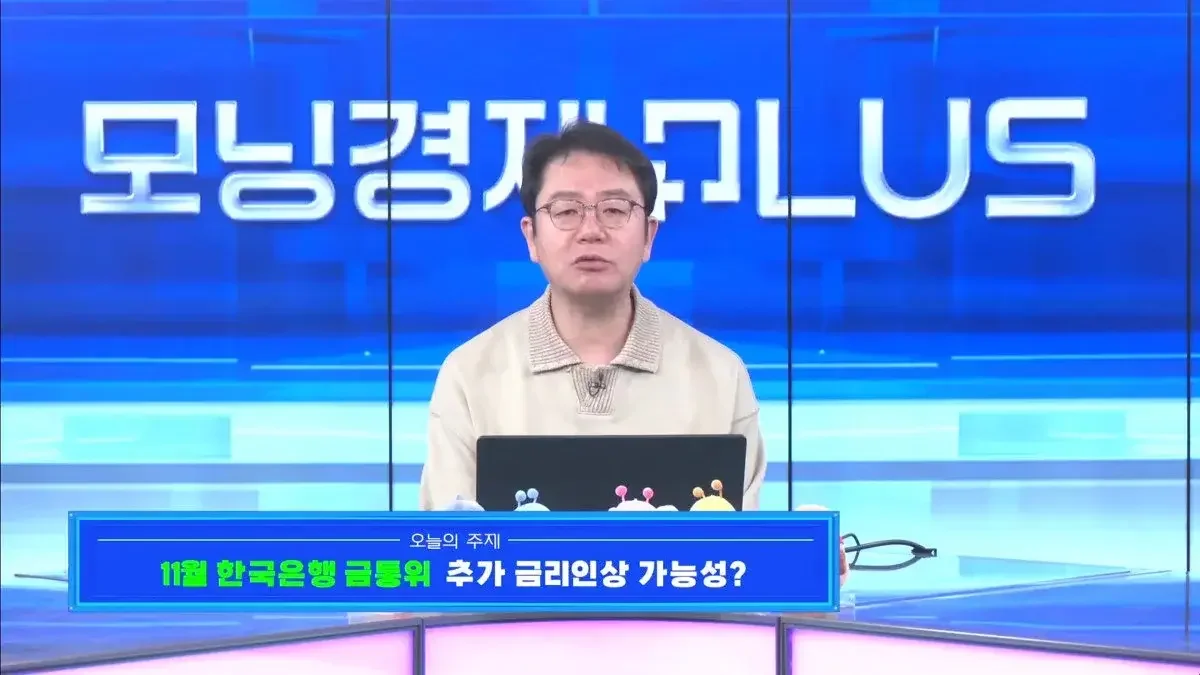
The KOSPI faces downward pressure as semiconductor declines and AI investment uncertainty increase market volatility. If the index drops further this week, its 12-month forward P/E ratio could hit 3x, a level half as low as that recorded during the Lehman Brothers crisis.
The sharp decline in the semiconductor sector, centered around U.S. AI-themed stocks, is acting as downward pressure on the domestic stock market. Market volatility is increasing as concerns over excessive AI investment intersect with political uncertainties.
According to market analysis provided by Kim Hyeon, investment product strategy manager at Woori Bank, on the 23rd, the U.S. market recently recorded significant losses, particularly in semiconductor indices. The Nasdaq index showed a distinct downward trend, with its annual return turning negative. This plunge is attributed to concerns regarding overinvestment in AI, alongside credit issues involving neo-cloud companies emerging as a significant factor of weakness since November.
Political and security uncertainties shaking AI themes
Variables are emerging that increase market uncertainty beyond simple fundamental issues. As the Democratic Party of Korea gained momentum following the U.S. midterm election results, concerns that regulations or support policies for AI data center construction might become opaque acted as additional negative factors. In particular, the possibility that scandals involving NVIDIA CEO Jensen Huang could lead to U.S. national security investigations has heightened market anxiety.
This uncertainty also led to a sharp drop in the Taiwan stock market. Because both CEO Jensen Huang and AMD CEO Lisa Su are Taiwanese Americans, concerns that the IT cooperation relationship between the United States and Taiwan could turn into a challenging situation are making price valuation difficult. "Until the AI data center regulatory policies of U.S. governors are finalized, such uncertainties are inevitable to persist," Kim noted, adding, "It will be difficult for the market to find a clue until corporate earnings outlooks for early next year become more concrete."
KOSPI enters extreme oversold zone, lower than IMF or Lehman Brothers eras
As market instability continues, the possibility of further declines in the domestic stock market is being raised. Considering that the Nasdaq has turned to a negative annual return, analysis suggests the KOSPI could also face downward pressure at its current index level. However, in terms of the price-to-earnings (P/E) ratio, some assessments suggest the market has entered an extreme oversold zone.
The current 12-month forward P/E level of the KOSPI is approximately 3.3x. If an additional decline occurs this week, dropping the ratio to the 3x level, it would be half the level recorded during the Lehman Brothers crisis and lower than the 4x recorded during the IMF financial crisis. "Because it is in a state of excessive undervaluation, it is a point where recovery resilience can be expected if a clue for a rebound is found," Kim explained.
Market eyes November Monetary Policy Board for potential rate hike
Regarding monetary policy, attention is focused on the decision of the Bank of Korea Monetary Policy Board scheduled for this Thursday. The Bank of Korea previously implemented consecutive 25bp interest rate hikes in July and August, and froze rates in October. However, the possibility of an additional hike during this Monetary Policy Board meeting is being raised.
This is because high inflation levels and robust GDP growth are serving as grounds for monetary tightening. Particularly in a situation where there is a very high possibility that the U.S. Fed will raise interest rates at the December FOMC, the Fed's continuous interest rate hike stance could influence the Bank of Korea's moves. Analysis suggests that concerns that the Fed could implement three consecutive rate hikes through March, extending beyond next January, could support the justification for an additional hike by the Bank of Korea.
However, as caution regarding interest rate hikes has eased somewhat due to the recent sharp drop in stock prices, the key will be how much the Bank of Korea reflects financial market instability in its final decision. "If an interest rate hike is implemented amidst very difficult market conditions, it could place additional burden on the market, so caution is required," Kim added.
Source: original video (YouTube)


0Comments
Comments are currently disabled.