
Direct nuclear power contracts for corporations could raise public electricity bills
South Korean manufacturers are calling for reforms to allow direct power purchase agreements (PPA) with nuclear power plants to secure cheap, carbon-free energy. However, experts warn that if corporations monopolize low-cost nuclear power, the resulting market imbalance could force the use of more expensive energy sources, ultimately raising electricity rates for the general public.
South Korean manufacturers are seeking to bypass KEPCO to purchase electricity directly from nuclear plants at a settlement price of approximately 90 won per kWh. However, experts warn that monopolizing this cheap power could force the use of more expensive sources like LNG, potentially increasing electricity bills for the general public.
South Korean manufacturing industries are increasingly calling for institutional reforms that would allow them to purchase electricity directly from nuclear power plants, bypassing the Korea Electric Power Corporation (KEPCO). The push comes as companies requiring massive amounts of power for the transition to carbon neutrality seek to secure affordable nuclear energy to maintain international competitiveness. However, experts are raising concerns that if specific corporations monopolize cheap electricity, the resulting supply-demand imbalance in the power market could lead to higher electricity bills for the general public.
"Industrial Electricity at 182 Won vs. Nuclear Settlement Price of 90 Won": The Corporate Calculation
Major domestic manufacturers, including POSCO, have recently complained that their international competitiveness is weakening due to high industrial electricity rates. The core justification for corporations demanding direct power purchase agreements (PPA) with nuclear plants lies in the price difference. Currently, the retail price for industrial electricity that companies purchase from KEPCO is approximately 182 won per kWh. In contrast, the settlement price—the wholesale price at which KEPCO buys electricity from power plants—is only around 90 won per kWh for nuclear power.
From the perspective of these companies, entering into direct contracts with nuclear plants without the intermediate step of KEPCO would allow them to secure power at nearly half the current cost. For companies like POSCO, which must drastically reduce carbon emissions, this "low-cost carbon-free power" is directly tied to survival. POSCO estimates it will require approximately 8GW of carbon-free power to completely replace coal blast furnaces with hydrogen reduction steelmaking processes by 2050, an immense amount equivalent to the output of about six nuclear reactors.
While the existing coal blast furnace method allowed companies to self-supply 80% of their power using by-product gases generated during the process, this self-generation system will become impossible upon transitioning to hydrogen reduction steelmaking. Consequently, they will have to draw massive amounts of power from external sources, and companies argue that relying solely on expensive renewable energy is not economically viable.
Risk of Shifting the Burden to the Public if Power Market "Holes" Appear
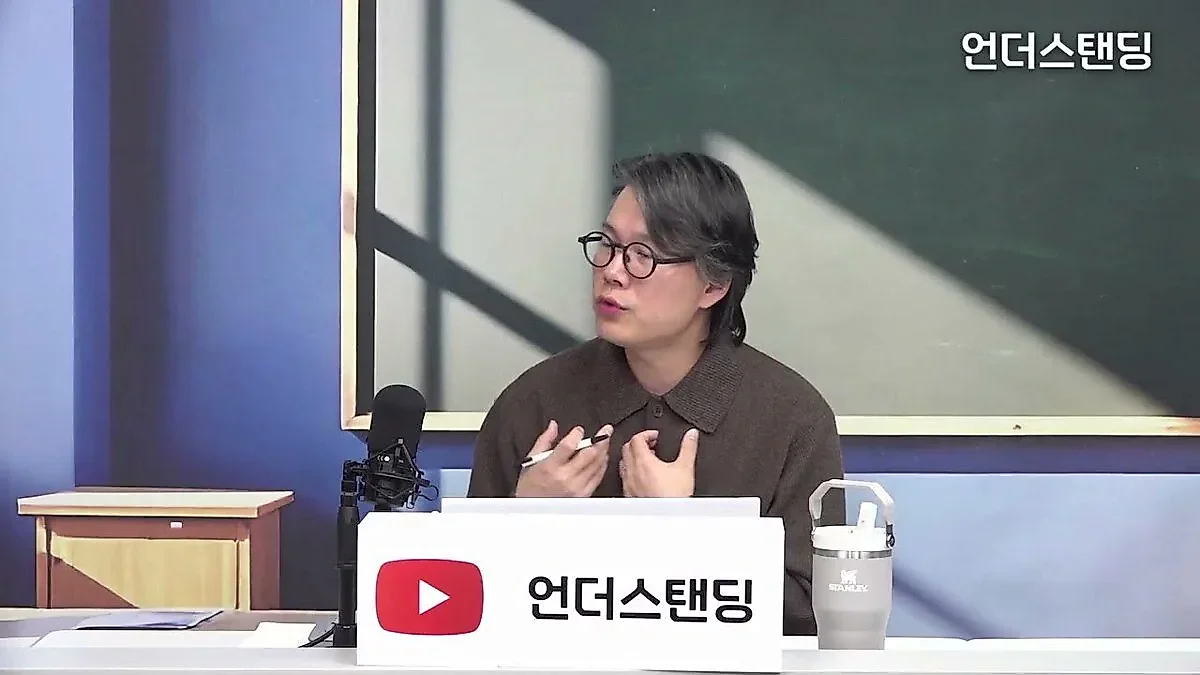
While the corporations' demands are logical, they pose complex problems when considering the overall structure of the power market. The key issue, as pointed out by reporter Kim Sang-hoon of Understanding: All the Knowledge in the World, is the "supply and demand imbalance in the power market." If nuclear plants enter into direct contracts (PPA) with specific companies instead of KEPCO, the volume of cheap nuclear power previously supplied through the existing power market will be removed from that market.
If nuclear power, the cheapest source of generation in the power market, becomes the exclusive domain of specific corporations, more expensive sources such as LNG (liquefied natural gas) plants must be operated to meet the remaining electricity demand in the market. As a result, the average unit price of electricity supplied to the market rises, creating a structure that could lead to increased electricity bills for other consumers, namely the general public. This is the reason why US regulatory authorities have instances of restricting transactions if the monopoly of nuclear power by specific companies leads to a cost burden on other consumers.
The background behind US big tech companies entering direct contracts with nuclear plants differs somewhat from the situation in South Korea. In the United States, the power market is privatized, making it relatively free for companies to contract directly with power plants. Furthermore, the demands of big tech companies focus not just on "cheap electricity," but on securing "carbon-free power" that is supplied stably 24 hours a day to operate AI data centers.
The Importance of "Risk Sharing" as Seen in France and Finland
Overseas cases offer insights into the risks that direct nuclear power trading can bring and its potential solutions. In the case of France, the country previously operated a system that allocated cheap electricity produced from nuclear plants to private electricity retailers; however, following the 2022 energy crisis and disruptions in nuclear plant operations, the state-owned power company EDF suffered massive losses. Following this, France transitioned its system to a long-term contract method where companies also share the risks and costs associated with nuclear power operation. Finland also utilizes a structure where companies directly invest in nuclear plant construction and share those risks.
Reporter Kim Sang-hoon suggests that there is no need to unconditionally prohibit nuclear PPAs in South Korea. However, he maintains that the approach of allowing corporations to enjoy the benefits of cheap power while shifting the resulting cost burden to the public should be cautioned against. He explains that if support is needed to strengthen the competitiveness of specific industries, it is preferable to provide transparent support through subsidies or separate electricity rate policies through social consensus, rather than through methods that distort the structure of the power market.
In conclusion, establishing a system for a cheap and stable power supply is urgent to restore the competitiveness of South Korean manufacturing. Especially since expanding nuclear power could be a key means of lowering electricity costs under domestic conditions, it appears that a sophisticated institutional design reflecting the specificities of the South Korean power market is required, rather than simply adopting direct trading systems from overseas.
Source: original video (YouTube)


0Comments
Comments are currently disabled.