
New guidelines for electronic real estate contract signatures and administration
The Korea Real Estate Board has released a guide detailing signature methods and post-contract administrative procedures for the Real Estate Transaction Electronic Contract System. While some filings are automated, users must manually complete moving-in notifications and verify certain approvals.
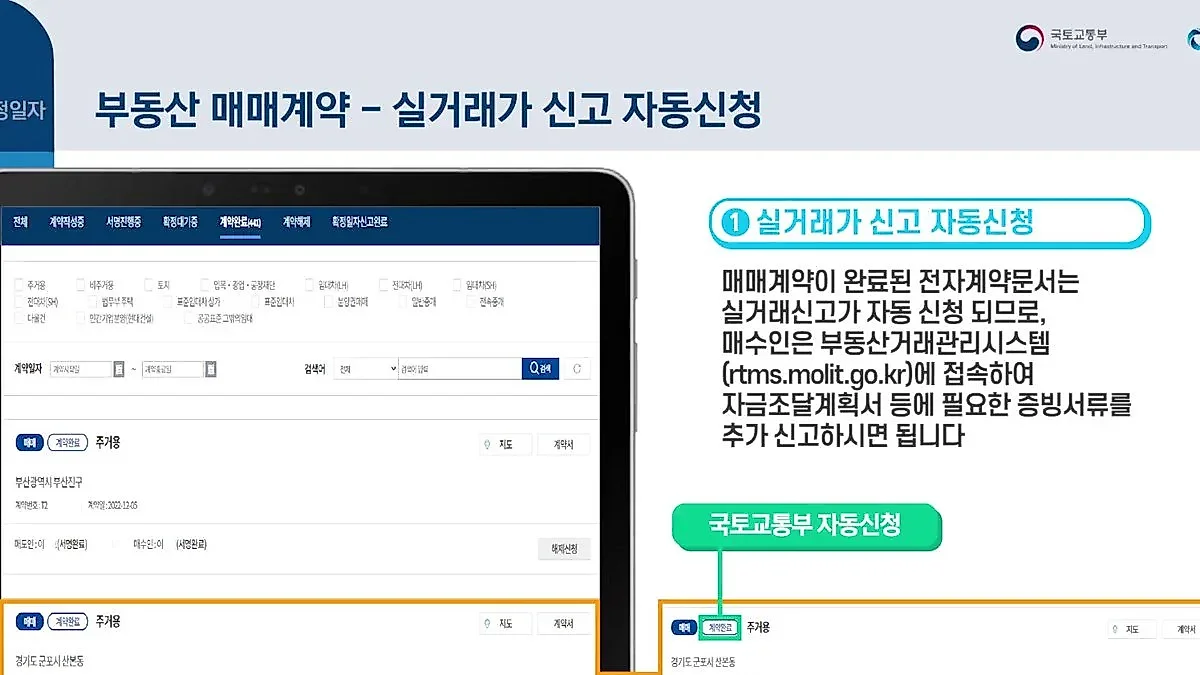
The Korea Real Estate Board has released guidance for the Real Estate Transaction Electronic Contract System, requiring users to write their full names for signatures. While the system automates transaction price reporting and lease reporting, users must still process moving-in notifications separately.
The signature methods and post-contract administrative procedures that contracting parties must observe when using the Real Estate Transaction Electronic Contract System—which processes real estate transactions digitally instead of using paper documents—have been disclosed. According to the guide provided by the Korea Real Estate Board, it contains specific paths ranging from the signature stage, which is the core of electronic contracts, to administrative processing after the contract is completed.
Differences in Identity Verification Methods and Signature Styles
Electronic contracts can be conducted through various devices such as smartphones, tablet PCs, and PCs, but identity verification methods differ by device. When using the electronic contract app, identity verification is possible through mobile phones, i-PIN, or joint certificates. Conversely, when accessing via PC to perform a signature, only mobile phone identity verification is available. PC users must register a joint certificate in their member information in advance before signing.
Attention is also required regarding the signature method used after reviewing the contract details. When making a signature, the user must write their name in full print rather than using a simple signature. Furthermore, when a licensed real estate agent performs the final signature on a PC, they can only use a certificate specifically for real estate transactions; other certificates cannot be used. Once the signature is complete, a timestamp is generated in the time confirmation box at the top right of the contract, and an official electronic signature mark is left in the licensed agent's signature field.
While photographing an ID is an optional rather than mandatory requirement, the procedure where the licensed real estate agent verifies the identity of the contracting parties is a mandatory process that must be completed. Once both the seller and the buyer have completed their electronic signatures and click "Close Contract," the contract moves to the completion stage. In the case of a buyer, it is also possible to select a legal representative to proceed with electronic registration.
Automated Filings and the Separate Requirement for Moving-in Notifications
Once an electronic contract is completed, certain conveniences and points of caution emerge during the administrative process. Reporting of actual transaction prices, lease reporting, and applications for the granting of fixed dates are processed automatically through the system. However, this does not mean all procedures are finalized. The approval status of the actual transaction price report or matters related to the fund procurement plan must be checked separately through the real estate transaction management system. For lease reporting and the granting of fixed dates, the final approval and granting status must also be confirmed through the real estate transaction management system or the competent local government.
A particular point of caution is the moving-in notification. Even when using the electronic contract system, the moving-in notification is not applied for automatically and must be processed separately by the user. Additionally, in the case of non-residential lease contracts, the application for granting a fixed date is not performed automatically. Since the competent tax office handles such matters for non-residential contracts, a verification process must be conducted after the contract is made.
Documents concluded via electronic contract are transferred to the Official Electronic Document Center and stored for five years. After the contract is completed, the contract can be viewed or downloaded at any time from the "Completed Contracts" list within the system. The time confirmation date for a lease contract is granted at the time of the contract conclusion, which is linked to the timing of the granting of the fixed date.
Source: original video (YouTube)

0Comments
Comments are currently disabled.