
Precautions when requested for explanation by Korea Real Estate Board… “False responses can lead to fines of up to 30 million won”
When receiving an explanation request from the Korea Real Estate Board regarding real estate transactions, individuals must respond honestly, as false explanations are impossible and failure to comply can result in fines of up to 30 million won.
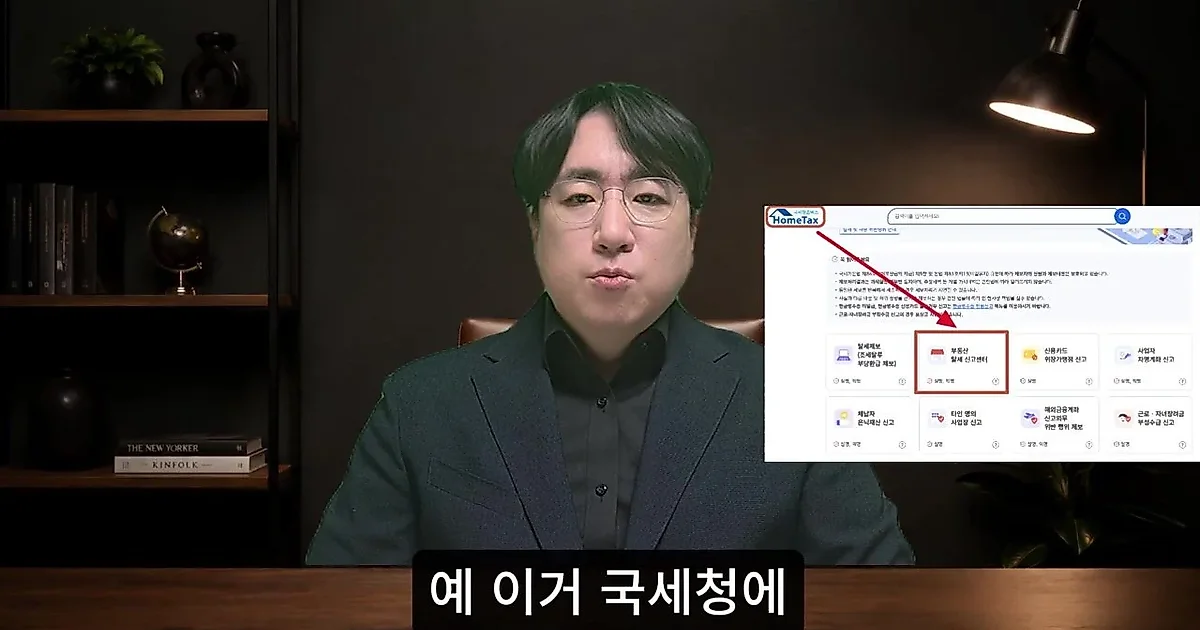
After purchasing an apartment, it is easy to feel flustered upon receiving a real estate explanation notice from the Korea Real Estate Board, but the outcome can vary greatly depending on the method of response. As full-scale investigations into real estate transactions have recently intensified, cases of receiving requests for explanation are increasing, requiring caution.
Fines imposed for non-submission… “False explanation is impossible”
According to a video from the YouTube channel 'Semujosa-neun Peonpeontaekseu | Guksecheong Josaguk Chulsin', the explanation requests from the Korea Real Estate Board differ in nature from tax investigations conducted by tax offices. The Korea Real Estate Board is not a department that directly decides on the source of funds or tax issues, but rather plays a role in delivering relevant details to the related government agencies. If problems are discovered in the results of the Korea Real Estate Board's explanation, the data is passed to the National Tax Service or a regional tax office, leading to a tax investigation or a request for clarification.
The presenter cited 'honest response' as the most important thing to be careful of when receiving a request for explanation. He warned that it is practically impossible to fabricate details while explaining past transaction history, and if one fails to respond to the request for explanation, a fine of up to 30 million won may be imposed. If there is insufficient time to prepare documents, a realistic way to respond is to explain the circumstances via telephone or other means and request an extension of the submission deadline.
Loan agreements between family members: 'Regular repayment history' is key
As a result of the recently conducted full-scale investigation, about 30% of the investigation targets were classified as suspicious cases, and the investigation is being conducted so strictly that more than half of them are transferred to the National Tax Service. In particular, transactions between family members, transactions using loan agreements, low-price transfers, and gifts with assumed debt are major inspection targets.
If taking the form of borrowing money between family members, simply drafting a loan agreement is not enough. The presenter emphasized, "If you borrowed money from parents or children, there must be a record of paying back the principal and interest every month." If repayments are not made regularly like bank transactions, but are instead made irregularly every 1 to 2 years or repayment is delayed, it serves as grounds for the National Tax Service to presume it as a gift.
The National Tax Service can track such fund flows for up to 5 years. Therefore, if a loan agreement has been drafted, the fact of repayment must be clearly recorded through actual bank transfers, etc., and neglecting this may lead to becoming a target of a tax investigation. Additionally, since the source and scale of funds vary depending on an individual's situation, it is safer to seek professional advice rather than indiscriminately referring to the cases of acquaintances.

0Comments
Comments are currently disabled.