
Surge in Global Import Regulations... Korea Needs to Reorganize Systems from an Economic Security Perspective
As import regulation tariff policies to protect national interests spread worldwide, suggestions have emerged that South Korea must reorganize its import regulation systems from the perspective of economic security. With the concept of national security expanding beyond the military field to include economy, technology, health, and the environment, import regulations utilizing existing trade norms are surging.
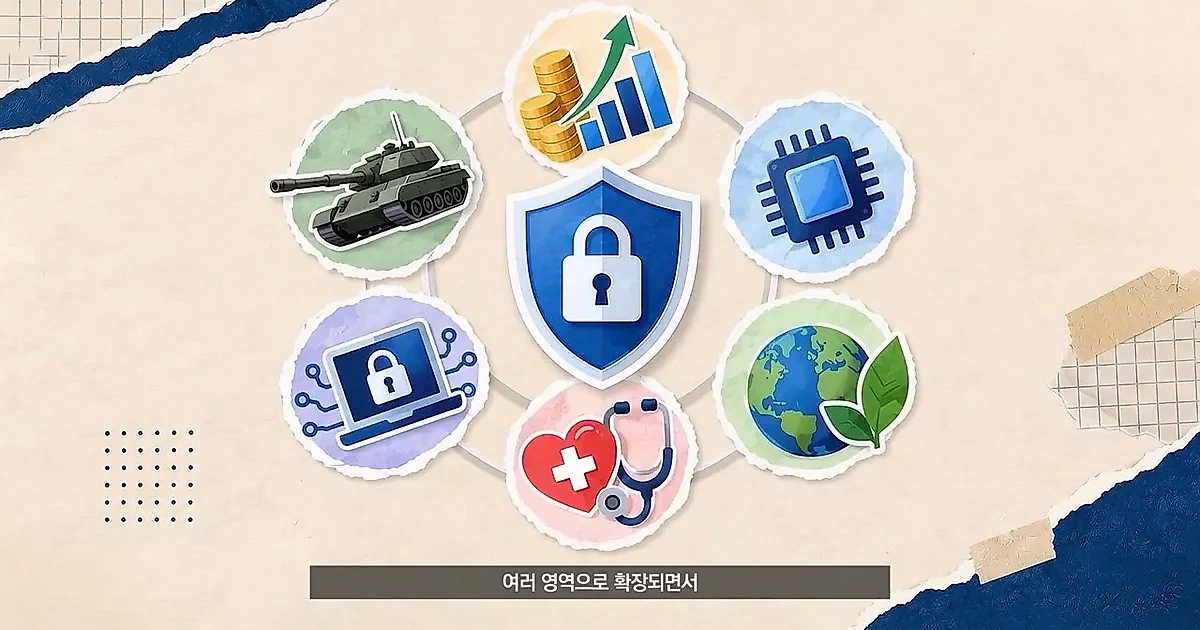
As import regulation tariff policies to protect national interests spread worldwide, suggestions have emerged that South Korea must reorganize its import regulation systems from the perspective of economic security. As the concept of national security expands beyond the military field to include economy, technology, health, and the environment, import regulations utilizing existing trade norms are surging.
Largest Anti-dumping Investigations Since the Establishment of the WTO... National Security Used as a Tool for Trade Sanctions
According to a video from the Korea Institute of Public Finance, a total of 368 anti-dumping tariff investigations were conducted in 2024. This is the largest scale since the establishment of the WTO in 1995. Behind these changes lie complex crisis situations such as health risks caused by the pandemic, the Russia-Ukraine war, export controls on core resources, and competition for technological hegemony. Discriminatory measures that were prohibited in the past are now showing a pattern of being justified under the pretext of national security.
The response methods of major countries also show differences. The United States operates powerful independent import regulation systems such as Section 232 of the Trade Expansion Act, Section 301 of the Trade Act, and the International Emergency Economic Powers Act (IEEPA) in addition to WTO norms, actively utilizing national security as a means of trade sanctions. The EU, while based on WTO norms, increased its responsiveness by introducing Anti-Coercion Instruments (ACI) in 2023 to respond to economic coercion. Japan was also passive regarding import regulations in the past, but established a legal basis to enable import regulations through government-initiated investigations by enacting the 'Economic Security Promotion Act' in 2022.
Tasks for Supplementing Domestic Systems... Establishing the Concept of Security and Building a Pan-Governmental Decision-Making System
South Korea has shown a relatively passive attitude toward import regulations, having been the country with the second-highest number of anti-dumping tariffs imposed after China. However, as dumping exports and circumvention dumping from China and Southeast Asia have recently increased, it is a time when active policy utilization in terms of protecting national interests and economic security is required. In particular, analysis suggests a need to thoroughly manage customs clearance of imported goods and sanctions against circumvention dumping.
As for the direction of institutional improvement, the supplementation of the Foreign Trade Act was first pointed out. It is noted that current regulations do not sufficiently stipulate procedures for collecting opinions from stakeholders, deliberation, and appeals when trade restrictive measures are taken. Furthermore, there are deficiencies in industrial activities related to the production of military goods or responses to international crises, which are core matters of the 'Security Exception' stipulated in GATT Article XXI, and there is a limitation that the concept of security is limited only to the import and export of goods.
Accordingly, it is necessary to reorganize core terms related to national security and prepare a legal framework to increase the objectivity and transparency of security judgments. The video suggested that a pan-governmental decision-making system involving relevant ministries should be established, and measures such as specifying self-judging when applying GATT Article XXI or adding provisions for non-disclosure of information should be reviewed. It is pointed out that strengthening the legal foundation reflecting a new concept of national security is urgent to match the changes in the trade environment centered on economic security.
Source: original video (YouTube)

0Comments
Comments are currently disabled.