
Misconceptions about Reverse Mortgages: Surplus goes to heirs, no debt passed to children
Dr. Hong Chun-wook clarifies three major misconceptions regarding the Housing Pension system, noting that surplus funds are inherited by children and no debt is passed down to heirs.
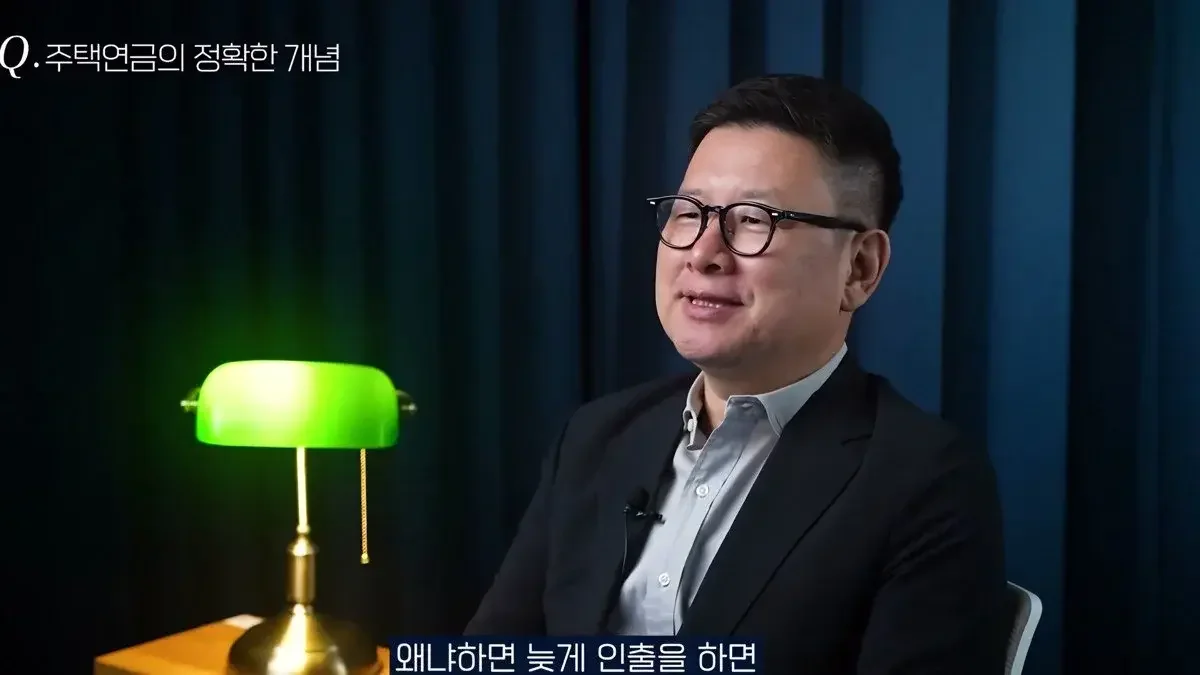
Dr. Hong Chun-wook explained that South Korean Housing Pension subscribers will not pass debt to children and can leave any remaining house value to heirs, provided no illegal acts occur. The system, currently used by approximately 150,000 households, allows those with homes valued up to 1.2 billion won to access cash for old age.
Of the average 570 million won in total assets held by South Korean households, approximately 75%, or 430 million won, is concentrated in real estate. Because the majority of assets are tied up in homes, many people face difficulties in old age, possessing assets but lacking the cash needed for spending. In "Hong Chun-wook's Economics Lecture Notes," Dr. Hong Chun-wook presented the Housing Pension as an alternative to address this Korean asset structure and corrected three major misconceptions about the system.
"Will the state take my house?"... Similar to a mortgage
One of the biggest reasons people hesitate to join the Housing Pension is the anxiety that they will "lose their house to the state." Dr. Hong explained that this is "only a partial truth." While the Korea Housing Finance Corporation is listed as the owner on the registry through a trust method, this is for the purpose of securing collateral, similar to a bank setting a mortgage when taking out a home mortgage loan.
In reality, the Housing Pension functions as a loan secured by the house. If a subscriber stops receiving the pension and returns the amount received so far to cancel the contract, the house is restored to its original state. Additionally, subscribers can enjoy property tax reduction benefits (up to 25%) for single-home owners, providing an advantage in terms of tax burden. While there may be psychological discomfort from being classified as a non-homeowner because the corporation is the registered owner, ownership itself does not transfer completely.
No need to worry about "debt passing to children"
The second misconception is the concern that if the pension amount falls short of expectations, or if the subscriber lives longer than expected and the total pension received exceeds the house value, debt will be inherited by the children. Dr. Hong explained, "It is the same principle as being able to renounce an inheritance if there are more debts than assets when parents pass away."
Even if the total amount of pension paid exceeds the house value at the time of the parents' death, the Housing Pension does not claim the deficit from the children. Conversely, if the total amount of pension received is less than the house value, the remaining difference is returned to the heirs. In other words, debt is never passed down to children, and if there is remaining property, it can be inherited. However, this is predicated on there being no illegal acts, such as receiving the pension without reporting a death.
Key timing for joining: High house prices and high interest rates
The Housing Pension is available to residents who own a home with an officially announced price of 1.2 billion won or less, based on the younger spouse being at least 55 years old. Since it is based on the officially announced price, apartments with a market value of approximately 1.7 billion won are also eligible. For example, if one joins at age 55 with a 1.2 billion won apartment, they can receive 1.87 million won per month.
Dr. Hong advised that it is advantageous to join when house prices are high and market interest rates are also high. This is because higher interest rates create favorable conditions for calculating the future pension amounts to be paid. He added that compared to "downsizing"—selling a large house to move to a smaller one—the Housing Pension may be a better choice if one is not confident in managing the remaining cash.
However, the Housing Pension is not the answer for everyone. There is no need to join if one expects house prices to rise further in the future, has plans to move, or has sufficiently built a "three-layer pension" including the National Pension and retirement pension. Currently, the number of households participating in the Housing Pension in South Korea is at the level of approximately 150,000 households, making a strategic approach based on an understanding of the system necessary.
Source: original video (YouTube)
0Comments
Comments are currently disabled.