
Super Junior's YESUNG explores traditional Tteokcha tea in Gangjin
Super Junior's YESUNG visited the Lee Han-young Cultural Center in Gangjin to experience the traditional fermentation process of 'Tteokcha,' a tea historically used by Jeong Yak-yong to calm his mind during exile.
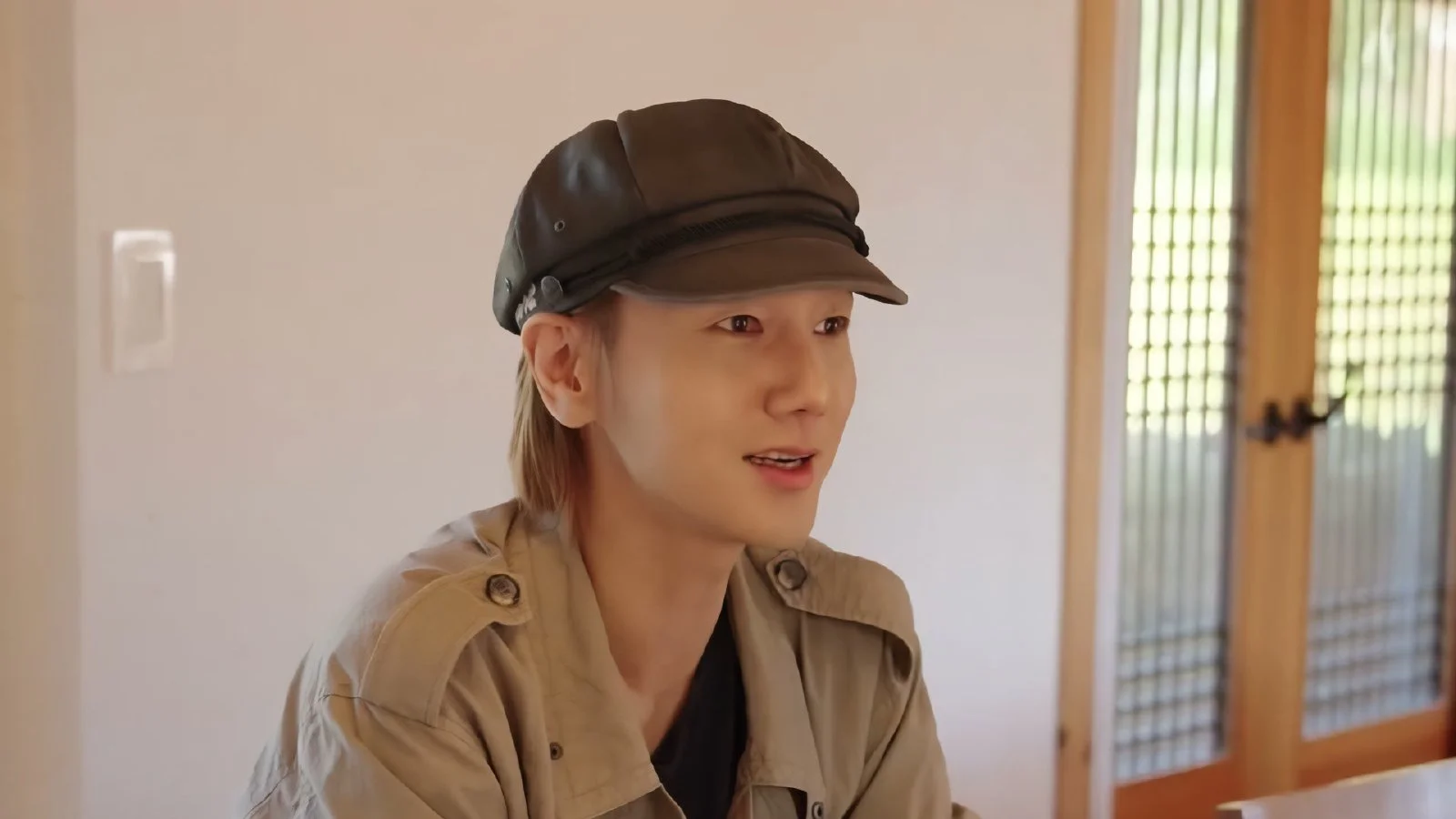
Super Junior's YESUNG visited the Lee Han-young Cultural Center in Gangjin to experience making Tteokcha, a fermented tea once used by Jeong Yak-yong during his exile. The traditional tea requires an aging period of at least two weeks to two months before it can be consumed.
At the foot of Wolchulsan in Gangjin, Jeollanam-do, Super Junior's YESUNG traveled to find the roots of a tea culture that has continued since the Goryeo period. YESUNG visited the Lee Han-young Cultural Center, a place that preserves the history of Jeong Yak-yong, who stayed there during his period of exile and used tea to discipline his mind. Because Wolchulsan maintains an environment suitable for tea plants to grow, the history of Jeong Yak-yong learning tea culture and how to brew tea during his exile continues to this day.
'Tteokcha,' the fermented tea enjoyed by Jeong Yak-yong, features a deep flavor created by the browning of tea leaves
During the visit, YESUNG experienced the process of making 'Tteokcha,' a traditional fermented tea that Jeong Yak-yong used as both medicine and a friend during his exile. Tteokcha undergoes an enzymatic process similar to the browning of an apple during the steaming of fresh green tea leaves. It is characterized by the way the light green leaves turn into a dark black color over time, producing a deep flavor.
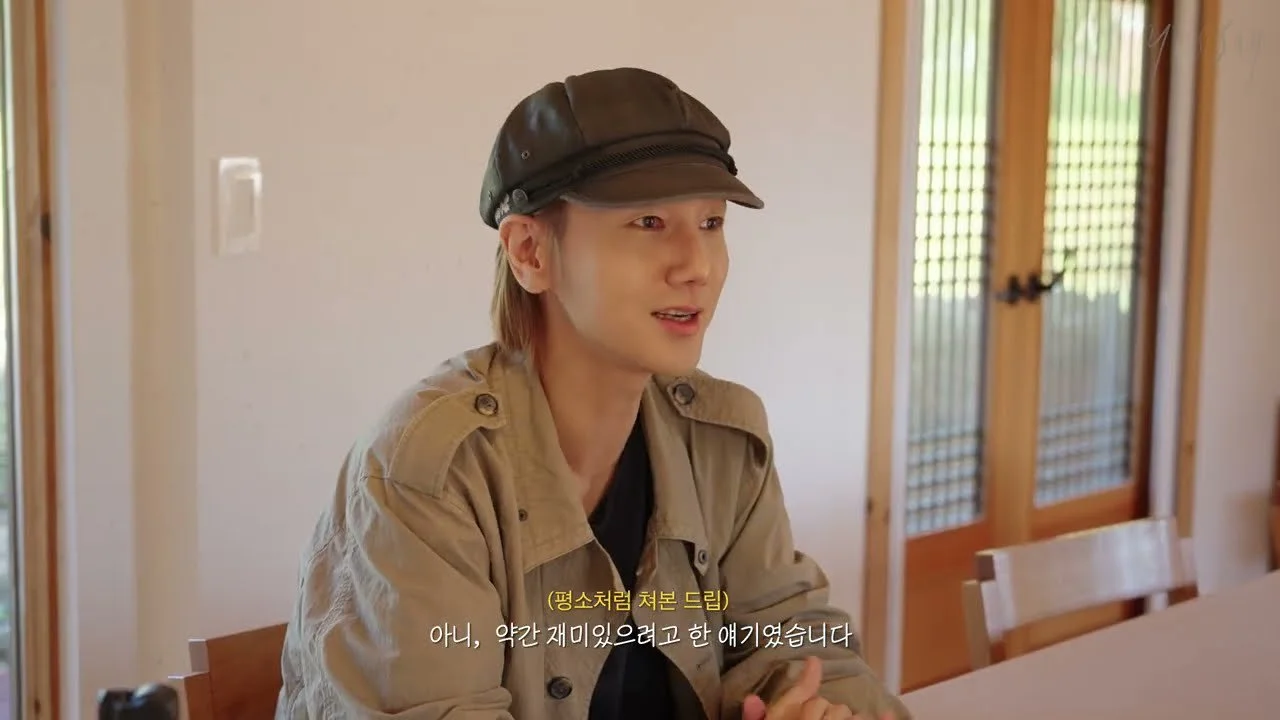
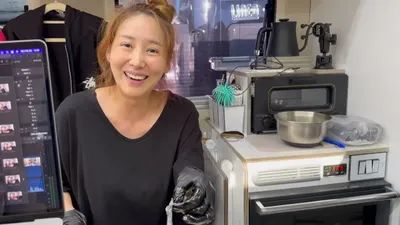
YESUNG went through the process of bunching the steamed tea leaves by hand, placing them into a mold, and pressing them firmly to shape them. A hole was then pierced through the center of the bunched leaves to complete the form. Once made, Tteokcha cannot be consumed immediately; it must undergo a complete drying and jar-aging process. It only transforms into a delicious tea after an aging period of at least two weeks to two months. One piece of Tteokcha can be brewed with approximately 2 liters of water, and after drinking, it can be brewed again through cold infusion.
A clean taste resembling Oolong tea, with a harmony of tea flowers and figs
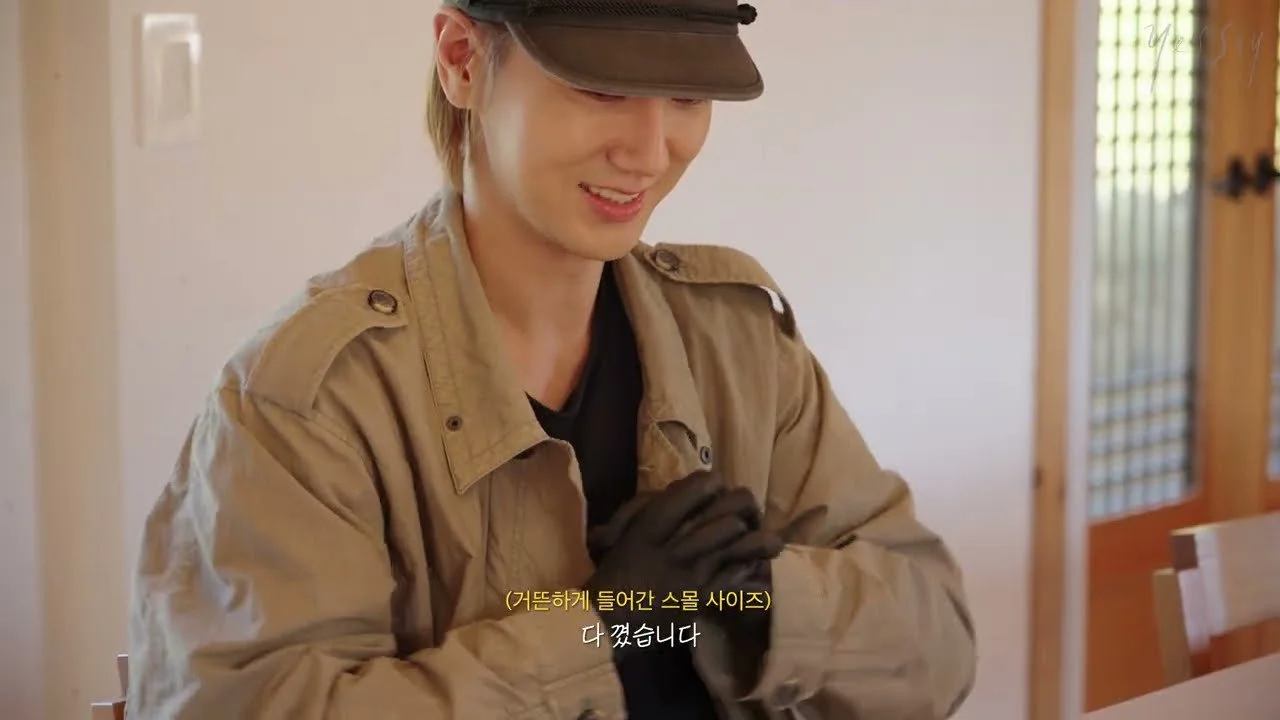
While savoring the Tteokcha he made, YESUNG focused on the flavors he perceived. Because Tteokcha has the characteristics of a semi-fermented tea similar to Oolong tea, it is richly aromatic and possesses a smooth sweetness and umami that is cleaner and less astringent than Oolong tea. "It has a slight Oolong feeling," YESUNG remarked regarding the flavor.
Organic figs were served alongside the tea. The tea flower, which is the flower of the tea plant, was also introduced. Tea flowers bloom and fall in the autumn, bearing small fruits; they are also called 'Silhwa Sangbongsu,' meaning the meeting of flower and fruit. Tea flowers can be dried to be drunk as tea or used for infused liquor.
"Eyes are bright" — an unexpected compliment on physiognomy from the teacher
During the process of learning to make the tea, a teacher who has taught students for a long time offered an unexpected comment regarding YESUNG's physiognomy. The teacher told YESUNG, "Your physiognomy is intelligent," noting, "Your eyes are bright and there is a visible will to achieve your goals." In response, YESUNG jokingly remarked, "If I had known about Tteokcha when I was living so recklessly, I might have been a bit more peaceful."
The experience concluded with an explanation that the 'theanine' component contained in tea activates brain function and stabilizes the mind and body. Experiencing the tranquility provided by the act of drinking tea, YESUNG personally experienced the value held by the traditional tea culture of Gangjin.
Source: original video (YouTube)

0Comments
Comments are currently disabled.