
Kim Gyeong-pil's advice to 30-somethings contemplating purchasing old apartments in the 100-200 million won range
Financial expert Kim Gyeong-pil provides practical guidelines to a man in his 30s living in Ulsan who is considering buying an affordable apartment priced between 100 and 200 million won. Kim advises focusing on location and distinguishing between investment and usage value rather than choosing low-priced old apartments with poor redevelopment potential.
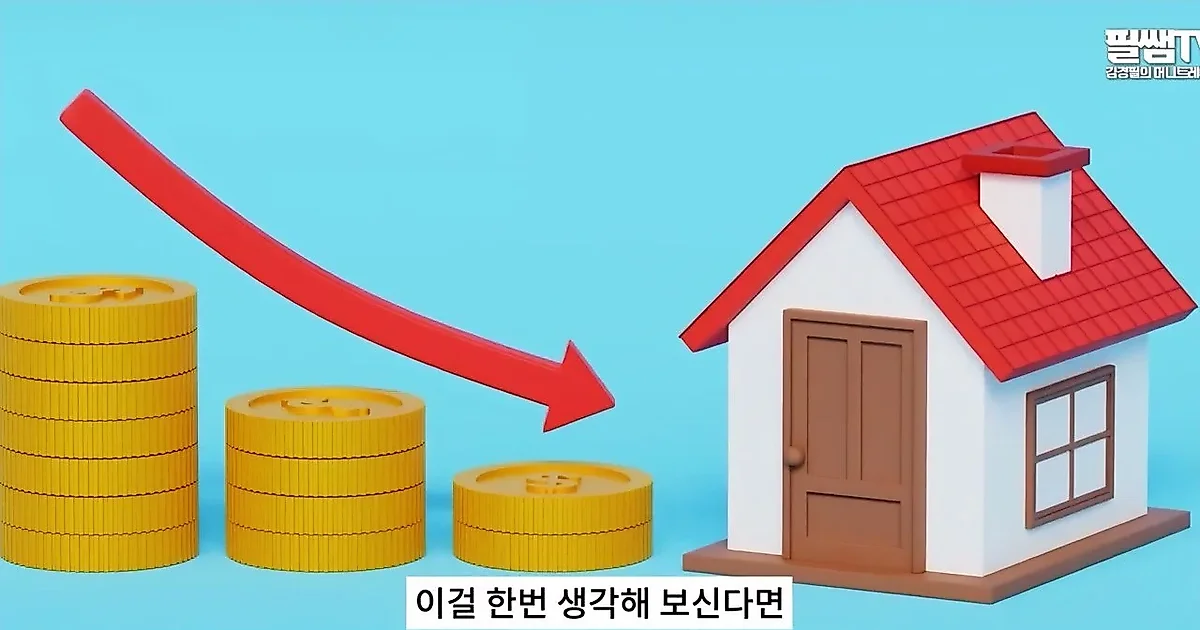
Financial expert Kim Gyeong-pil has presented practical guidelines regarding the concerns of a man in his 30s living in Ulsan who is facing his first home purchase. The individual in question holds net assets of approximately 120 million won and is considering whether to purchase an affordable apartment in the 100 to 200 million won range while considering moving due to recent rising rent issues.
"Avoid buying old apartments in the 100-200 million won range" Emphasizes location-centered choices
Kim Gyeong-pil expressed a negative view regarding the purchase of apartments in the 100 to 200 million won range that the individual is contemplating. This is because apartments in the 100 to 200 million won range existing in the Ulsan area are often composed of a single building or have almost no possibility of reconstruction. Mentioning that prices do not lie, Kim explained that it is more appropriate to buy a typical property in the 400 million won range rather than buying an old apartment that is impossible to reconstruct or has locational handicaps.
Particularly regarding the future value of a 30-year-old old apartment, he analyzed that apartment prices consist of 'investment value' and 'usage value.' Investment value is determined by reconstruction possibility, regional hierarchy, and resident income, which is linked to the 'gap,' the difference between the jeonse price and the sale price. On the other hand, usage value is a factor directly related to the living environment. Kim explained that among the factors determining usage value, the 'transportation environment,' which is directly linked to accessibility to jobs, is the most important, followed by the educational environment, natural environment, and public safety in order of priority.
"Loans within DSR limits are not a bad method if it is a first home"
In the video, it was explained that in the case of Ulsan, it is not such a bad method to take out as much of a loan as possible to buy a house if it is within the range permitted by DSR (Debt Service Ratio). This is because if the individual is earning a monthly net income of around 4 million won while being debt-free, there is a high possibility of meeting the DSR standard.
In particular, he pointed out that first-time homebuyers often regret it later after taking out passive loans without filling the full loan limit. If Ulsan is not a regulated area, one can utilize LTV (Loan-to-Value) to borrow up to 80% when making a first-time purchase. The analysis suggests that if it is a first home for actual residence, it is not a bad strategy to take out the maximum loan within the range allowed by DSR to buy a house in a good location. Even if the house price rises only as much as the loan interest, considering the costs spent on jeonse or monthly rent, it may not be an economic loss.
Customized housing strategy considering asset management status
After analyzing the individual's financial status, Kim Gyeong-pil confirmed that the individual is saving and investing about 2.5 million won out of a monthly income of 4 million won (such as 300,000 won for pension savings, 2.2 million won for stock investment, etc.). Noting that the individual is steadily managing a certain amount every month, he judged that there would not be a major problem in daily life even if a mortgage is executed within the DSR range.
However, he added that if one feels a psychological burden from the purchase itself through a loan and is certain that life will be tight, it is right not to purchase. He advised that when choosing a house in the future, one should distinguish between investment value and usage value and compare locations through field visits.

0Comments
Comments are currently disabled.