
KOSPI enters undervalued zone despite limited upside from global risks
Professor Kim Young-ik suggests the KOSPI is currently undervalued relative to daily average export figures, though global economic indicators and AI industry uncertainties may limit any potential rebound.
The KOSPI is currently 7.4% undervalued relative to daily average exports, though Professor Kim Young-ik warned that declining G20 leading indicators and US AI industry uncertainties could limit the magnitude of any potential rebound.
The KOSPI index has entered an undervalued zone when compared to export indicators. However, as the decline in global economic indicators coincides with uncertainties in the AI industry, forecasts suggest that even if a rebound begins, its magnitude will be limited.
During an appearance on "Kim Young-ik's Economics School" on the 21st, Professor Kim Young-ik analyzed import and export trends from October 1 to October 20 released by the Korea Customs Service to diagnose the current position of the KOSPI. Professor Kim explained that the correlation between the KOSPI and the daily average export amount is as high as 0.91, and used this to estimate the appropriate level of stock prices.
Slowing export growth and shrinking semiconductor share... KOSPI 7.4% undervalued
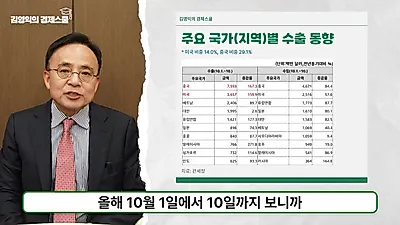
According to data from the Korea Customs Service, exports from October 1 to October 20 increased by 105% compared to the same period last year. However, this figure reflects the effect of an increase of 2.5 working days due to the Chuseok holiday. Professor Kim calculated the daily average export amount, accounting for working days, at $4.74 billion. While this is a 65.9% increase, it falls short of the monthly target of $5.33 billion forecasted by Professor Kim.
"The appropriate level of the KOSPI calculated based on the daily average export amount is 5,994 points, but as of the 20th, the KOSPI remained at 5,553 points," Professor Kim analyzed. "Our KOSPI is in a state of being 7.4% undervalued relative to the daily average exports." Compared to May, when the KOSPI was overvalued by more than 70%, stock prices have adjusted to the export flow and entered the undervalued territory.
By item, semiconductors continue to drive exports, but the growth momentum is slowing. While semiconductor exports surged 223% compared to the same period last year through October 20, the daily average export amount was $2.12 billion, a significant decrease from September ($2.81 billion). Notably, the share of semiconductors in total October exports is 44.7%, characterized by a gradual contraction from the peak of 50% in September. By country, the share of exports to China expanded to 27% in October, which is higher than the 21.2% recorded at the beginning of this year.
AI bubble theories and high interest rate shocks... external variables constraining growth
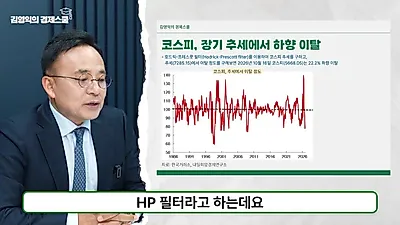
While the possibility of a rebound is open as the KOSPI enters the undervalued zone, Professor Kim cautioned against optimistic outlooks. "Looking at past cases, there have been times when the state of daily average exports being in an undervalued zone persisted for a considerable period," he predicted, suggesting the rebound magnitude would not be large.
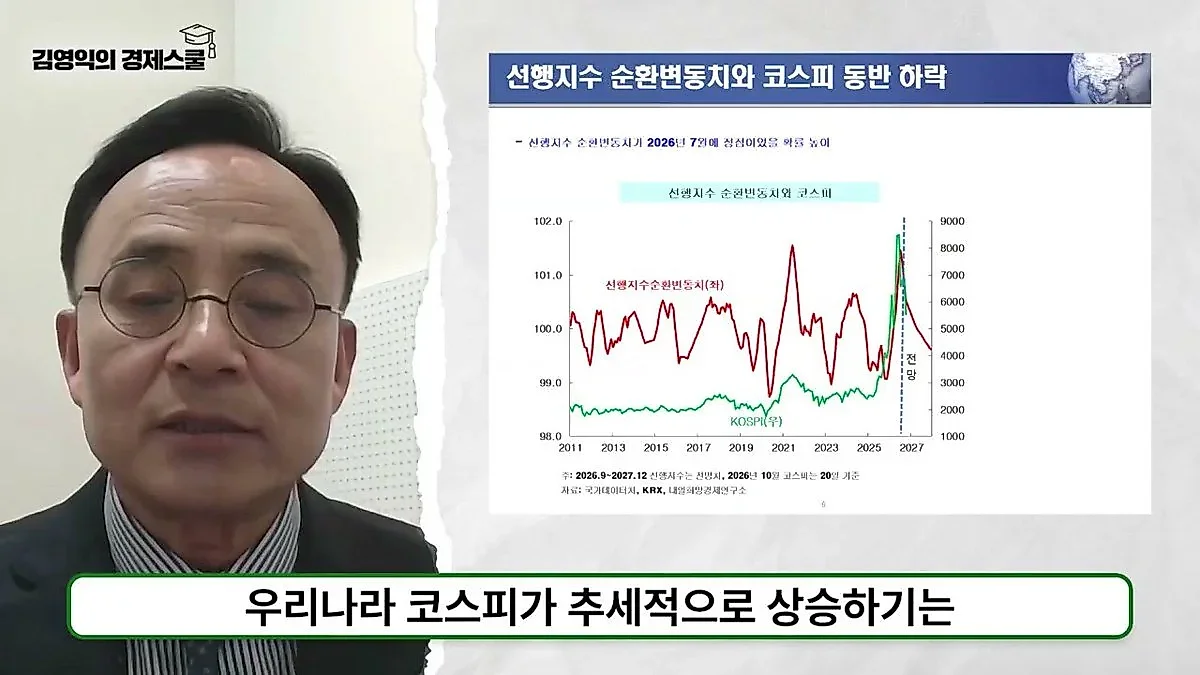
He cited the decline in the G20 leading indicator and uncertainties in the AI industry in the United States as key factors blocking the rise. "The G20 leading indicator has been declining since peaking last July, and it is very difficult for the KOSPI to rise in a trend while this indicator is turning downward," Professor Kim explained.
In particular, the crisis surrounding "Neo-cloud" companies emerging primarily in the United States has surfaced as a market variable. As controversies over the profitability of Neo-cloud companies, which provide AI computing power through GPUs and data centers, grow, concerns are rising that investment by AI companies may be reduced. "Controversies are emerging in the United States, such as the stock prices of Neo-cloud companies plunging or IPOs being withdrawn," Professor Kim pointed out. "This is an issue that could lead to a reduction in investment by AI companies."
He also warned of instability in credit markets due to the aftermath of high interest rates. Citing indicators from the United States housing market, Professor Kim predicted, "Recent US housing indicators are recording their lowest levels since statistics began, showing the impact of high interest rates. This trend will gradually affect stock prices, consumption, and AI investment." Noting that the US credit spread has already hit a bottom and is rising, he analyzed that credit issues could fully manifest around November.
In conclusion, Professor Kim advised, "While there is sufficient possibility for a rebound as the KOSPI is undervalued relative to daily average exports, there will be limits to the rise as long as the decline in leading indicators and the US AI bubble debate continue. Since these risks may persist until the first half of next year, thorough risk management in the stock market is necessary."
Source: original video (YouTube)

0Comments
Comments are currently disabled.